
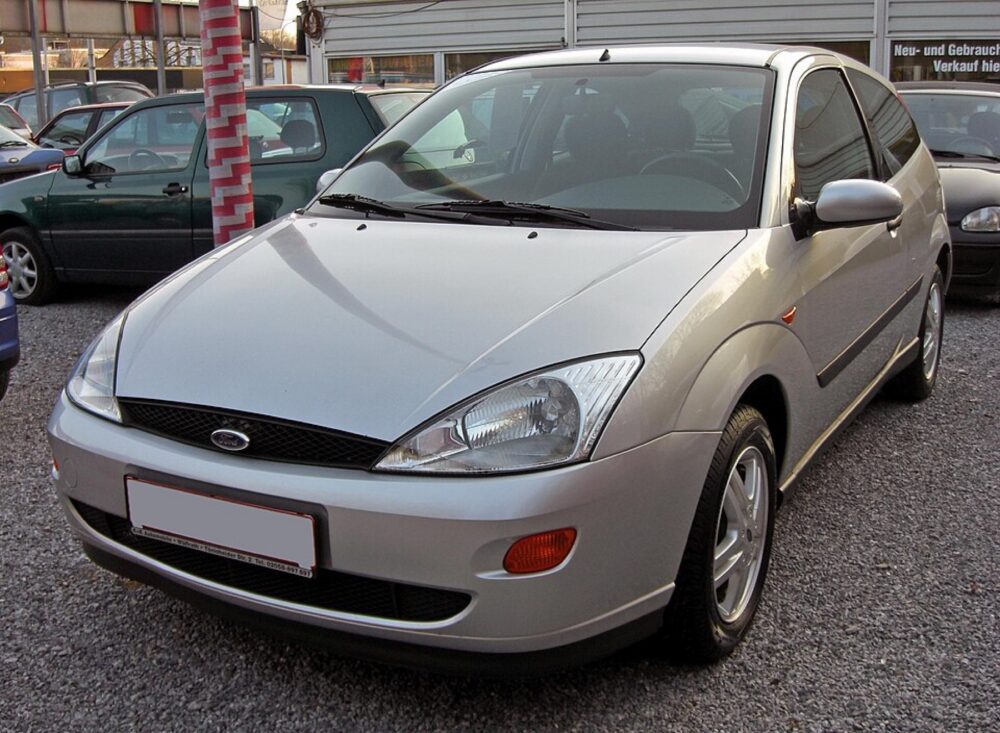
Most US buyers who need a single OEM‑spec front bumper for a Ford Focus are better off using OEM‑focused US retailers or local auto‑parts chains. Marketplaces like Amazon and eBay work well for certain aftermarket bumpers and trim. Cross‑border wholesale platforms such as DHgate mainly make sense for bumper accessories, small front‑end parts (like tow hook covers or foglamp frames), or bulk inventory for a small store—not as your first stop for a safety‑critical bumper shell.
If you only remember one rule, use US OEM‑oriented platforms for crash‑structure repair and treat cross‑border marketplaces as optional add‑ons for cosmetic or accessory parts.
How the Ford Focus Front Bumper Parts Market Is Structured Online
Ford Focus front bumper parts are sold through three broad online channels:
- OEM parts retailers and auto chains
These include brand‑specific parts sites and US chains like AutoZone. They organize inventory by year, make, model, and trim, which matters because bumper fitment for the Focus is very specific. As guides such as the Go‑Parts bumper fitment overview emphasize, you must match year, body style (sedan/hatch), and trim to avoid buying a bumper that simply will not bolt up correctly.
- General retail marketplaces
Platforms such as Amazon and eBay host thousands of individual sellers. You’ll see aftermarket Focus bumpers, valances, grills, foglight kits, and generic “universal” front lips. Product organization is looser: you rely on each seller’s listing accuracy, photos, and compatibility notes.
- Cross‑border wholesale/B2B marketplaces
Sites in the Alibaba/DHgate family present themselves as large‑scale sourcing hubs for low‑cost auto parts and accessories. DHgate’s own editorial blog describes the platform as a global wholesale option for auto parts and a B2B cross‑border marketplace connecting buyers to manufacturers at competitive prices. In practice, current Ford Focus bumper‑related listings there skew toward accessories and small components rather than complete bumper assemblies.
This split shapes your platform strategy: you don’t pick “the best website” in the abstract, you pick by whether you’re replacing the bumper’s crash shell, dressing up the front end, or stocking small parts for sale.
Platform Types and How They Handle Ford Focus Bumper Orders
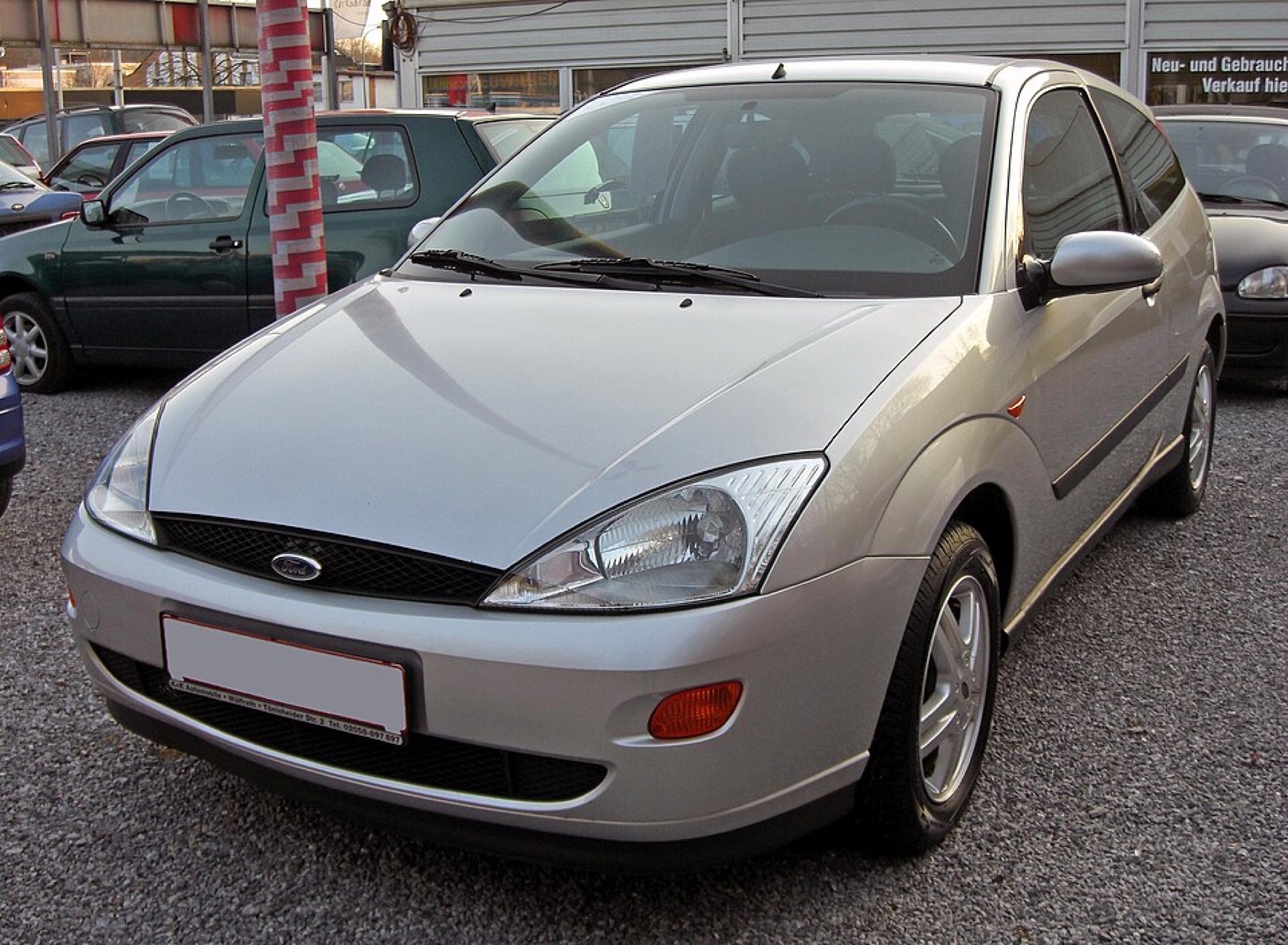
Different platform types handle Ford Focus bumper parts very differently.
OEM-focused parts sites & US auto chains
These sites treat the bumper as part of the car’s structure. You typically:
- Enter year, make, model, trim to filter compatible parts.
- See OEM part numbers and sometimes diagrams that show brackets, absorbers, and reinforcement bars.
- Pay more than on cross‑border marketplaces, but get a tighter fitment match and a catalog built for repair work.
This route is ideal if your Focus was in a minor crash and you’re repairing the front bumper to OEM spec.
Retail marketplaces (Amazon, eBay)
On marketplaces, your relationship is with individual sellers. Operationally:
- Minimum order quantity (MOQ) is usually one piece.
- You’ll see a mix of brand‑name aftermarket bumpers and completely generic kits—sometimes labeled “for Focus,” sometimes “universal.”
- Listings may bundle bumper skins with foglight housings, grills, or front lips.
This route works for owners comfortable comparing listings and accepting some risk on fitment and finish.
Alibaba-style B2B platforms
Alibaba and similar platforms are designed for bulk orders:
- Many sellers expect carton or pallet‑level quantities.
- Good fit for shops wanting to import unpainted aftermarket bumper shells or large runs of a specific trim part.
- Less convenient for a single DIY replacement, more relevant for a business that can absorb lead times and freight.
DHgate-style cross-border marketplaces
DHgate sits between small‑order retail and full B2B. Its blog positions auto parts as competitively priced, with a strong push toward buying in bulk. Around 2026-09-30, a quick product snapshot shows how this plays out for Ford Focus front bumper–related parts:
DHgate listing snapshot (2026-09-30, subject to change)
- Car Front Lower Bumper Tow Hook Eye Cover Grille Caps For Ford Focus 2012 2013 2014 OE BM5117A989 — a small front bumper tow hook cover/accessory.
- For Ford Focus MK3 2012-2014 Bumper Tow Hook Cover Trailer Cover 1702946 BM5117A989AB — another tow hook cover for the front bumper.
- Exterior Part Car Rear Bumper Tow Hook Cover Cap For Ford Focus MK3 Hatchback — rear bumper tow hook cover, showing the same small‑part pattern.
- Foglight Foglamp For Ford Focus MK3 2015-2018 Front Bumper Fog Light DRL Cover Frame Hood Grille — front bumper foglight/DRL kit.
- For Ford Focus 2015 2016 2017 Headlight Cover Plastic Headlamp Shell Transparent Lampshade — headlamp covers that sit adjacent to the bumper line.
Quick comparison by platform type
| Platform type | Typical MOQ | Strongest use case | Ford Focus bumper scope (typical) |
|---|---|---|---|
| OEM parts sites / auto chains | 1 unit | Safety‑critical repair to OEM spec | Full bumper assemblies, brackets, absorbers |
| Retail marketplaces (Amazon/eBay) | 1 unit | Aftermarket bumpers, trim, mixed accessories | Skins, lips, grills, fog kits |
| Alibaba-style B2B | Bulk (cartons) | Large orders for shops/importers | Unpainted shells, generic bumper parts |
| DHgate-style cross‑border | 1 unit or small bulk | Low‑cost accessories and small parts; small business stocking | Tow hook covers, foglamp frames, small trim |
Query-time DHgate listing example
Observed on 2026-09-30, Plastic Front Bumper Kits Upgrade Parts Off-road Vehicle Bumper Replacement RC Car Accessories for Wltoys 124019 124017 124016 appeared in Engine Assembly. This is a time-bound, illustrative listing example; availability and listing details may change. Compare the stated specifications and order a sample before considering a larger purchase.
Choosing the Right Platform Route for Your Ford Focus Bumper Scenario
The best platform depends on whether you’re fixing crash damage, changing the look, or buying inventory.
Scenario 1: Single front bumper replacement after a minor crash
If your Focus needs a complete front bumper assembly (outer shell plus impact absorber, possibly reinforcement):
- Start with OEM-type US platforms: brand parts sites or auto chains. Their year/trim filters match how bumper fitment actually works.
- Use marketplaces like Amazon/eBay only if you find a clearly labeled Focus‑specific bumper assembly with solid photos and part numbers.
- DHgate and similar cross‑border marketplaces are not the best first choice here, because current Focus listings lean toward accessories rather than full tested bumper shells.
This route prioritizes structural correctness and documented fitment over chasing the lowest price.
Scenario 2: Cosmetic front-end upgrade or accessory add-on
If the car drives fine and you’re focusing on aesthetics—foglights, bumper lips, trim pieces:
- Retail marketplaces give you the widest range of branded and generic styling parts.
- Some OEM parts sites carry factory foglight kits or sporty trims for specific Focus trims.
- DHgate becomes more relevant: our snapshot shows Focus‑specific foglight/DRL kits and bumper tow hook covers, often at lower unit pricing than US retail.
Here, DHgate can be a reasonable option for clearly non‑structural parts, provided you:
- Match the listing’s model years and body style to your Focus.
- Treat any “OE” number in the title as a reference to compare—not as proof of OEM origin.
If you’re new to cross‑border buying or want to compare platforms, it can help to read a broader overview of marketplaces such as online marketplaces and shopping platforms.
Scenario 3: Small ecommerce business stocking bumper accessories
If you run a small store or online shop and want to stock lower‑cost Focus bumper accessories:
- Alibaba makes sense for large, repeating orders of generic bumper parts, if you can handle freight and customs complexity.
- DHgate’s blog positions the platform as a global wholesale option for auto parts at low-cost prices, with a flexible stance between small orders and bulk. That aligns with using DHgate to test small lots of Focus accessories—tow hook covers, foglamp frames, scratch protectors—before scaling up.
- Retail marketplaces can serve as both sourcing and sales channels, but margins are tighter because you’re competing directly with other resellers.
For this profile, DHgate is best treated as one sourcing lane among several rather than the single solution. Test listings, validate fitment on a few cars, and then decide if the cost and quality work for your customer base.
If you want a deeper background on how DHgate as a marketplace operates in general—not just for auto parts—see What DHgate is and how the marketplace works, and for cross‑platform sourcing context, Compare DHgate with AliExpress, Alibaba and Temu.
Safety and fitment: where cross-border buying should be limited
One final guardrail: front bumper assemblies are safety‑adjacent parts. They interact with crash structures, sensors, and pedestrian‑protection geometry. Evidence from fitment guides shows how easy it is to get bumper compatibility wrong by mis‑matching year, body style, or trim.
That’s why a sensible rule of thumb is:
- Use OEM‑oriented US platforms for major crash‑repair bumper components.
- Use marketplaces—especially cross‑border ones like DHgate—primarily for accessories and cosmetic trim that sit on or near the bumper but don’t replace its core structure.
This platform routing keeps the high‑stakes part of the job on channels built around fitment data, while still giving you room to use cross‑border marketplaces where their strengths really show.