
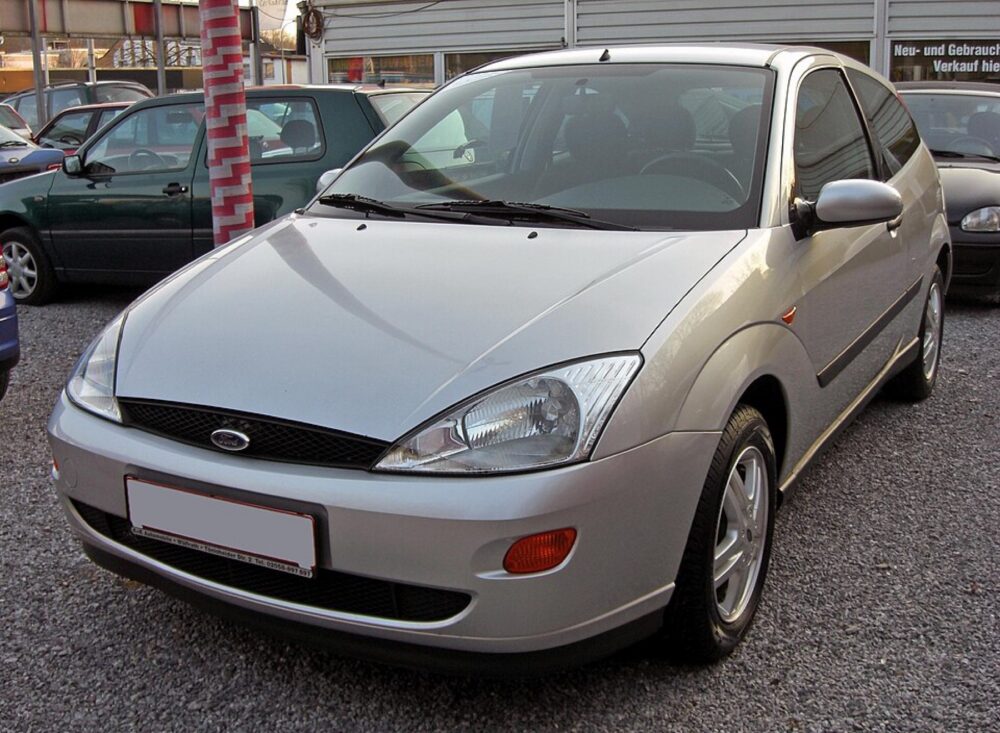
If you’re in the U.S. and need Ford Focus front bumper parts or accessories, the safest fit and clearest policies usually come from OEM-focused sites like Ford’s own parts store or dedicated OEM aggregators. Aftermarket retailers and marketplaces can be cheaper and offer more styling options, but they push more fitment and verification work onto you—especially for cross-border orders and small resellers.
For a daily-driver repair where safety and exact fit matter, start with OEM channels. If you’re customizing or stocking cosmetic accessories for a small ecommerce shop, broader marketplaces can make sense once you understand their tradeoffs.
How Online Platforms Sell Ford Focus Front Bumper Parts
Ford Focus bumper parts aren’t sold in one unified “bumper store” online. They’re spread across several platform types:
- Ford’s own parts catalog, listing specific front bumper assemblies and covers.
- OEM-focused aggregators that specialize in genuine Ford parts.
- Aftermarket retailers that sell compatible bumper covers from third-party manufacturers.
- Large marketplaces where many independent sellers list everything from brackets to fasteners and trim.
On Ford’s side, the official parts site lists a front bumper cover assembly that can be purchased online as a Ford-branded part, showing that you can go directly to the manufacturer for an OEM replacement for certain Focus trims and years (Ford.com parts product page). OEM aggregators like FordPartsGiant’s Focus bumper page group multiple genuine bumper assemblies and components, positioning themselves as a discounted OEM source.
Aftermarket-focused retailers such as CarParts.com’s Ford Focus bumper cover section sell front bumper covers made by various manufacturers. These listings tend to emphasize fitment (year, trim, engine) and replacement purpose rather than Ford branding.
Marketplaces like eBay’s “Bumpers & Parts for Ford Focus” category show the other end of the spectrum: hundreds of listings, from upper brackets to impact strips and small plastic clips, all sold by different independent sellers under one search.
Platform Types for Ford Focus Front Bumper Sourcing
You can think about Ford Focus bumper sourcing in five platform buckets. Each handles products and buyers differently.
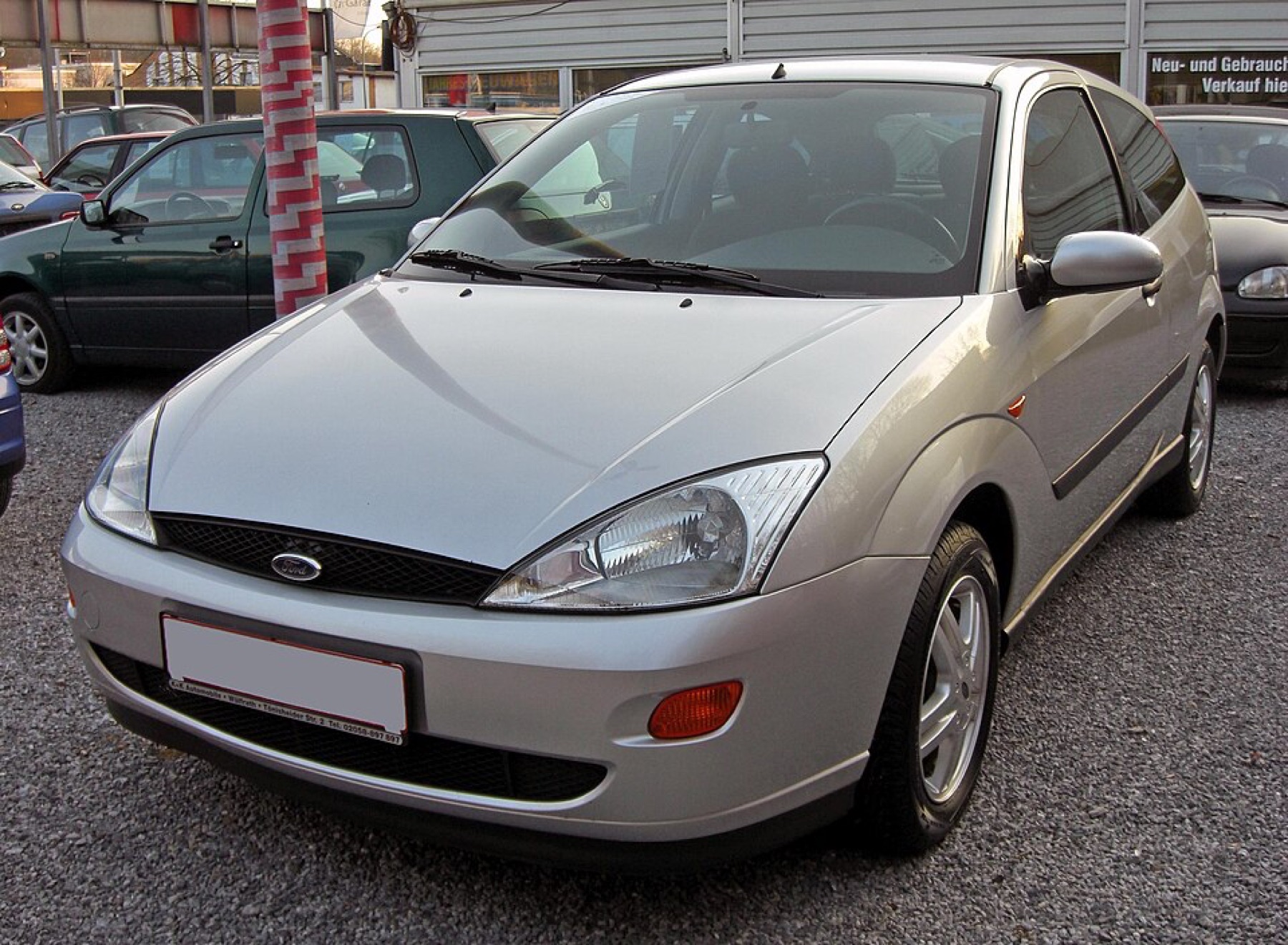
1. OEM manufacturer and dealer sites
This route includes Ford’s own online parts catalog and dealership-linked sites. You search by VIN or by year/make/model, then drill down to front bumper cover or related components.
What they tend to offer:
- Bumper cover assemblies and sometimes related hardware for your exact Focus generation.
- Ford branding, with part numbers that service writers and collision shops recognize.
Relationship to buyers:
- Best suited to owners who want “just make it right” OEM replacements.
- Often used by collision centers and small garages when insurance or customer preference demands genuine Ford parts.
2. OEM-focused aggregators
Sites such as FordPartsGiant’s Focus bumper listing aggregate genuine Ford parts across many models. Their Focus bumper section shows multiple bumper assemblies and related pieces grouped by year and trim.
How they operate:
- Position themselves as a one-stop online catalog for genuine Ford parts.
- Often highlight that the parts are “OEM” but offered at online prices.
Typical products:
- Full front bumper assemblies.
- Individual components (reinforcements, absorber pieces, brackets) matched to OE part numbers.
3. Aftermarket replacement retailers
CarParts-style sites focus less on Ford branding and more on compatible replacement parts. On CarParts.com’s Focus bumper cover page, you’ll see multiple front bumper covers filtered by:
- Model year range (e.g., 2012-2014 Focus).
- Body style (sedan vs hatchback).
- Location (front vs rear).
How they operate:
- Emphasize fitment data and replacement use: “direct fit” or “replacement bumper cover”.
- Cater to buyers balancing cost with acceptable fit for daily use.
Typical products:
- Unpainted bumper covers ready for body-shop paint.
- Styled or “sport” covers that change the look of the front end.
4. Retail marketplaces (mixed OEM and aftermarket)
On a marketplace like eBay’s Focus bumper & parts category, you’re not dealing with one retailer—you’re shopping many independent sellers at once.
What you’ll see:
- New aftermarket bumper covers, sometimes labeled “OEM-style” or “replacement”.
- Used OEM bumper covers pulled from salvage vehicles.
- Small accessories: mounting brackets, energy absorber rivets, clips, grille inserts.
Buyer relationship:
- Strong fit for people hunting specific oddball parts (a particular bracket, a rivet like the Ford Focus energy absorber fastener) or used OEM covers.
- Requires more scrutiny of photos, part numbers, and seller descriptions.
5. Wholesale and cross-border marketplaces
Wholesale platforms and cross-border marketplaces connect you with overseas suppliers and factories. For Ford Focus bumper-related items, you’re more likely to see smaller accessories and add-ons than complete, crash-structure bumper assemblies.
DHgate’s own blog on auto parts sites describes DHgate as a China-based e-commerce marketplace that connects global buyers with auto parts sellers and highlights competitive prices and direct supplier access, while explicitly advising buyers to go over product listings and seller ratings carefully to check quality and legitimacy (DHgate editorial blog). That framing is useful for understanding this platform type in general: you get reach and price potential, but you must verify details yourself.
Typical bumper-adjacent products on cross-border marketplaces include:
- Tow hook cover caps for specific Focus generations.
- Fog-lamp kits and bumper trim pieces.
- Headlight washer covers near the bumper line.
These platforms are more naturally matched to cosmetic or small functional accessories than to core safety components like bumper beams.
Quick Comparison: OEM, Aftermarket, and Marketplaces
Here’s a compact view of how the main routes differ for Ford Focus front bumper parts:
| Platform type | Best for | Typical price/selection tradeoff* | Fitment confidence (editorial) |
|---|---|---|---|
| Ford / OEM sites | Exact OEM front bumper cover or assembly | Higher pricing, narrower but precise SKUs | Highest, when matched by VIN |
| OEM aggregators | Genuine Ford assemblies and components | Often lower than dealer, broad OEM range | High, tied to OE part numbers |
| Aftermarket retailers | New replacement covers, styling options | Usually cheaper than OEM, curated brands | Moderate–high with good data |
| Retail marketplaces | Used OEM covers, odd brackets, fasteners | Wide range from cheap to premium | Varies by seller listing |
| Cross-border marketplaces | Small accessories, trim, fog lights | Competitive for many accessories | Varies; requires verification |
*Tradeoffs are editorial judgments, not guarantees, and actual prices shift across sites and over time.
Which Platform Route Fits Your Ford Focus Bumper Purchase?
Your best platform choice depends on whether you’re fixing one car or stocking inventory, and how much risk you can tolerate around fitment and quality.
Scenario: Single-car owner, crash or serious damage
If the front bumper structure, crash bar, or energy absorber is involved, auto parts guides generally recommend choosing OEM parts where possible and buying from sources with clear compatibility information and warranties. That reduces the chance of misfit or unexpected behavior in another impact.
For this scenario:
- Start with Ford’s own parts catalog or an OEM aggregator like FordPartsGiant for bumper cover assemblies and structural components.
- Use your VIN or precise year/trim to match Ford part numbers.
This route costs more but minimizes surprises for safety-critical parts.
Scenario: Cosmetic repair or upgrade on a budget
If you’re replacing a scuffed bumper cover or changing the look of the car:
- Aftermarket retailers such as CarParts.com offer multiple Focus-specific front bumper covers that can be filtered by year and body style, making it straightforward to pick a compatible part and compare prices.
- Marketplaces like eBay can be useful if you want a used OEM cover in the exact color or a particular styling piece.
You’ll spend more time checking fitment charts and seller descriptions, but you may save significantly versus OEM.
Scenario: Small ecommerce business or garage stocking parts
Small resellers and independent garages often mix channels:
- Use OEM aggregators for a baseline of genuine parts your clients specifically request.
- Use aftermarket retailers for common bumper covers that fit many Focus variants.
- Use marketplaces selectively for low-cost brackets, rivets, and trim pieces where small variations are less risky.
Cross-border marketplaces, including DHgate, sometimes list Focus-related accessories like bumper tow hook covers, fog-lamp assemblies, and washer cover caps. These can be attractive for bulk buying, but they’re best treated as non-structural accessories and require careful vetting: confirm the generation (e.g., MK3 2012-2014), check buyer reviews and photos where available, and compare part numbers to Ford references.
If you’re new to cross-border sourcing, it helps to first understand how marketplaces and shopping platforms differ in general by looking at broader comparisons such as online marketplaces and shopping platforms and DHgate vs AliExpress, Alibaba and Temu, then apply those patterns to your Focus bumper accessory sourcing.
Matching your risk tolerance
In short:
- Low risk tolerance / safety focus: favor Ford and OEM aggregators for front bumper cover assemblies and structural pieces.
- Medium risk / value focus: aftermarket retailers plus selective marketplace use for cosmetic parts.
- Higher risk / cost and variety focus, especially for resellers: introduce retail and cross-border marketplaces for small accessories, but invest time in verifying listings, compatibility and supplier reliability.
Whichever route you choose, treat bumper beams and core impact structures differently from decorative trim and fog-light bezels. The right platform for one is not automatically the right platform for the other.