
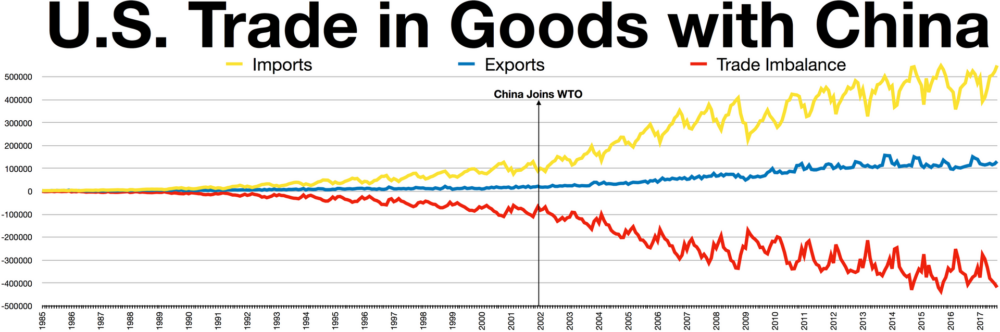
China import and export trade is China’s huge cross‑border flow of goods. As a US small business, you tap into it not by getting a special “import license,” but by choosing legal, profitable products, verifying Chinese suppliers, and structuring your orders and shipping so your total landed cost still leaves a margin.
Many US importers start with a Social Security Number (for individuals) or a business tax ID/EIN rather than a dedicated import license. Brand editorial sources note this is common practice for a range of consumer goods, but specific products (for example, food, chemicals, medical devices, firearms, some electronics) can need permits or special compliance.
You should always double‑check requirements directly with US Customs and Border Protection (CBP) and, where relevant, agencies like the FDA, EPA, or ATF before committing money or signing contracts.
How China Import and Export Trade Works for US Small Buyers
China is often described as the “world’s factory” because of its manufacturing infrastructure, industry experience, and large skilled workforce. For a US importer, that typically means:
- A huge variety of products, from generic commodities to highly customized goods.
- Unit prices that can support attractive retail margins if you manage freight and duties.
- A mature ecosystem of factories, trading companies, agents, and online marketplaces.
Your rights and responsibilities as a US importer boil down to:
- Identity to customs. Commercial shipments usually need an importer identifier. Many small US importers use an SSN (individual) or business tax ID. That works for a wide range of goods, but you should confirm your specific situation with CBP or a customs broker.
- Legal admissibility. You are responsible for making sure the goods are allowed: no banned items, correct safety standards, labeling, and any required permits.
- Classification and duties. Every product has a tariff code and duty rate. That plus freight, insurance, and domestic delivery adds up to your “landed cost.”
From a business perspective, your first big decision is what to import. Trade editorial guidance suggests targeting products where you can realistically aim for roughly 30-50% gross margins, backed by consistent demand, and that:
- Are not prohibited or heavily restricted in the US.
- Don’t require extreme storage conditions or complex hazardous handling.
This 30-50% gross margin band is a benchmark, not a guarantee, but it forces you to run numbers before talking to suppliers.
If you want a structured overview of typical costs, duties, and restrictions when importing from China to the US, see this independent explainer on landed costs and restrictions: Importing from China to The USA: Costs, Restrictions & More.
Finding and Vetting Chinese Suppliers Before Your First Order
You don’t need to fly to Shenzhen to find suppliers. US small buyers usually start through a mix of:
- Online B2B marketplaces.
- Introductions from business partners or friends.
- Sourcing agents or trading companies.
- Major trade shows (if travel budget allows).
Whichever route you choose, vetting is what protects you.
Key documents to request
When you’ve identified a potential supplier, ask them to send clear scans of:
- Business License Registration – shows the company’s legal name, registration number, and scope of business.
- Tax Registration Certificate – indicates they’re registered to pay domestic taxes.
- Import/Export License (if applicable) – useful if the supplier is handling export formalities themselves.
Brand editorial sources describe these documents as useful verification tools for buyers checking Chinese suppliers. They don’t eliminate all risk, but they make it harder for a fake company to pose as a manufacturer. Compare the names on the documents to the name on your proforma invoice and bank accounts.
Practical vetting signals
Beyond formal documents, look at:
- Product focus. A factory making only LED lighting is more likely genuine than a “supplier” offering everything from socks to bulldozers.
- Communication quality. Clear answers on materials, certifications, and lead times are a good sign; vague responses are a warning.
- References and samples. Pay for samples before placing a bulk order. Evaluate build quality and packaging, not just appearance.
- Basic market checks. Search for the company name on general search engines and trade directories to see if it shows up consistently.
Many individuals and companies can start importing from China without a separate sourcing license, provided they have capital and the right contacts. That doesn’t remove your obligation to comply with US rules. For categories like electronics, toys, or cosmetics, ask suppliers about any test reports or certifications they hold and verify against US standards and the relevant US regulator’s guidance.
Structuring Orders, Logistics, and Choosing a Sourcing Channel
Once you’ve narrowed products and found credible suppliers, you have three linked decisions:
- Order structure – MOQ, unit price, and margin.
- Shipping plan – air vs. sea, transit time, and risk.
- Sourcing channel – marketplace, agent, or direct factory.
Making the numbers work
Before you agree to a minimum order quantity, map your costs:
- Factory unit price.
- Packaging and any customization fees.
- International freight, insurance, customs brokerage.
- Duties and taxes based on classification.
- Domestic delivery and warehousing.
Aim for a scenario where your selling price still leaves roughly 30-50% gross margin after all those line items. If you end up with 10-15%, a small delay, return rate, or ad spend can wipe out profit.
Here is a simple comparison table to help you sanity‑check a first $3,000 test order vs. scaling later:
| Factor | Small test order (around $3,000) | Larger order (pallets/containers) |
|---|---|---|
| Unit price | Often higher because you accept a low MOQ | Often lower thanks to volume pricing tiers |
| Freight choice | Air or LCL sea; faster but higher cost per unit | FCL sea; cheaper per unit, but slower and less flexible |
| Cash risk | Limited if product misfires; easier to absorb | Significant if demand or quality disappoints |
| Data you get | Early feedback on quality and demand | Stronger cost picture if test data was good |
| Operational impact | Simple to store and handle | Requires more storage, cash flow planning, and systems |
For most new importers, a modest test order is the safer route, even if the unit cost is higher.
Picking a sourcing channel
You can access China’s import‑export trade through several channels. Each suits different risk levels and budgets:
- Online B2B marketplaces – Platforms such as DHgate, Alibaba, and Global Sources are noted in trade editorials as common starting points for researching product ideas, seeing rough price bands, and placing small test orders with multiple suppliers. You still need to check business licenses, tax certificates, and product samples yourself; marketplace listings and prices can change and no platform removes all risk.
- Sourcing agents or trading companies – Add a layer of human expertise. They can visit factories, consolidate shipments, and help with documentation. In exchange, you pay fees or a markup.
- Direct factory relationships – Often best for larger, repeated orders once you understand your product and compliance requirements. Requires stronger vetting and more time.
To see one structured explanation of how business buyers can approach importing from China in several steps (including choosing freight and understanding duties), you can review this step‑by‑step guide: Importing from China: A Step-by-Step Guide for Business.
Putting it together for a US small business
If you’re starting as a US side‑hustle or small ecommerce brand, a realistic path is:
- Research products and demand. Use online marketplaces and independent blogs to map product options, typical price ranges, and US demand. Drop any product that is clearly restricted or can’t support a rough 30-50% gross margin once you factor in freight and duties.
- Shortlist suppliers and verify documents. Request the business license registration, tax registration certificate, and import/export license (if applicable). Compare details across invoices, bank information, and online mentions.
- Order and inspect samples. Pay for samples from two or three suppliers. Inspect quality, packaging, and any labeling or documentation.
- Run landed‑cost math and choose a test order size. Use your sample pricing, a realistic freight quote, and the applicable US duty rate to calculate landed cost per unit. Adjust your first order size to balance risk and learning.
- Choose a sourcing channel that matches your risk tolerance. For very small, experimental orders, marketplaces can be practical. As volumes grow and you prove demand, you can reconsider moving toward agents or direct factory deals for better pricing and customization.
As your volumes grow, your main improvements will come from better logistics planning, more precise compliance work, and stronger supplier relationships—not from ignoring legal requirements or skipping vetting.