
Bonanza Marketplace can work for diamond painting, but it’s not a dedicated diamond art hub. It functions more like a general online marketplace where independent sellers list diamond painting kits alongside many other products. That means you can find interesting designs and deals, but kit quality, completeness, and service depend heavily on each seller. If you want clearly premium canvases and exclusive artwork, specialist diamond painting sites or large marketplaces usually feel more predictable.
For US hobby buyers and small ecommerce sellers, Bonanza is best treated as one option in a wider channel mix: it’s useful if you spot a specific design or seller you like, not as your default or only source.
How Bonanza Marketplace Fits Into the Diamond Painting Landscape
Bonanza is positioned as a seller‑centric general marketplace that tries to make it easy for smaller online merchants to reach more buyers. It’s comparable in spirit to broad platforms like eBay: a place where many different shops operate under one roof rather than a single, tightly curated brand store.
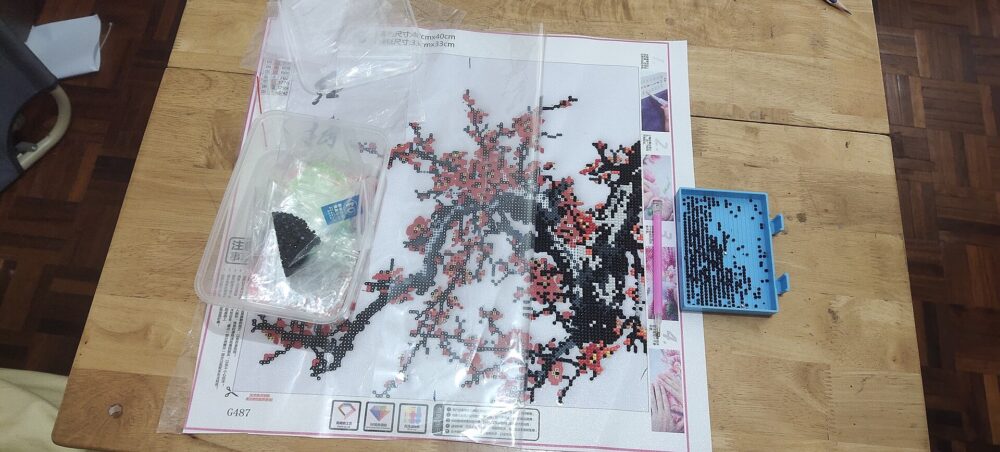
Diamond painting itself is a fairly standardized craft. Most kits include a pre‑printed adhesive canvas with a design, small resin “diamonds,” an applicator pen, a tray, and wax or glue to pick up the drills. You can buy these kits across online retailers, craft chains, and specialist diamond art sites.
On Bonanza, diamond painting appears as one category among many. The marketplace’s branding on channels like Facebook and YouTube leans into diamond art kits for relaxation and stress relief, showing designs like animals, flowers, and landscapes. But the underlying structure is still seller‑driven: different merchants list their own kits, which may vary in canvas quality, drill type (round vs. square), and whether all tools are included.
That contrasts with specialist retailers like Diamond Art Club or Diamond Dotz, which focus specifically on diamond painting and promote premium kits and exclusive designs. It also differs from a diamond‑focused shop such as Diamond Art Marketplace, which presents a curated range of kits and positions the hobby as adult stress relief with worldwide shipping and FAQ support.
So, Bonanza’s role is more “open marketplace where diamond art sellers operate” than “one cohesive diamond painting brand.” As a buyer, you’re judging individual sellers instead of relying on a single brand standard.
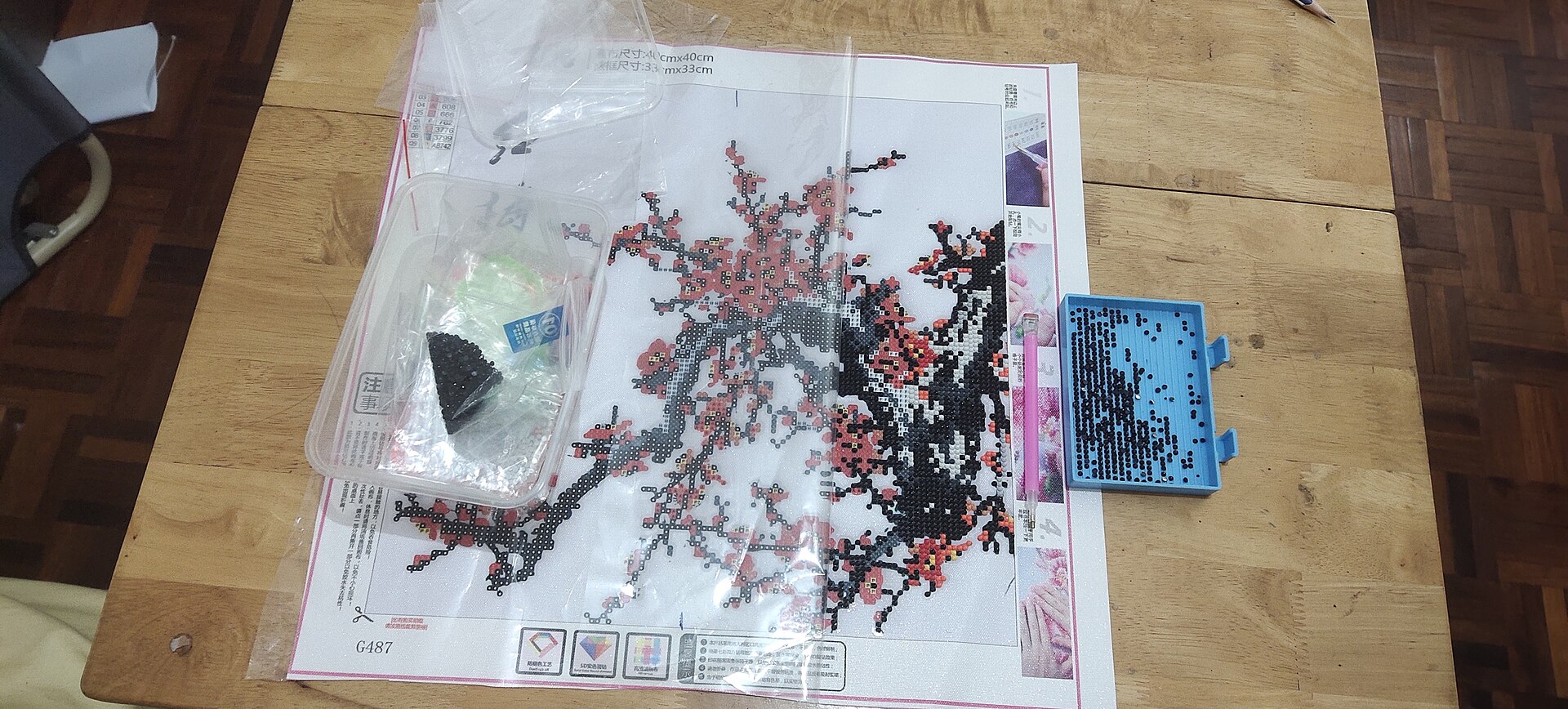
Unfinished diamond painting photographed by 馬姥, licensed CC BY-SA 4.0 via Wikimedia Commons; shown as a craft-format reference, not a marketplace listing.
Bonanza vs Other Diamond Painting Channels: Designs, Kits, and Buying Experience
If you care most about the diamond painting experience—design quality, kit contents, pricing, and how easy buying feels—Bonanza competes with three broad channel types:
- General marketplaces (Bonanza, Amazon, AliExpress, Etsy)
- Specialist diamond painting brands (Diamond Art Club, Diamond Dotz, Diamond Art Marketplace)
- Local/craft stores (Michaels, Jo‑Ann, Hobby Lobby)
Here’s a high‑level comparison based on how these channels typically operate for diamond painting:
| Channel type | Diamond painting focus | Typical kit quality & completeness | Design variety | Who it suits best |
|---|---|---|---|---|
| Bonanza Marketplace style | Mixed: diamond art is one category among many; individual Bonanza‑branded diamond kits exist but sellers vary | Highly dependent on seller; some kits marketed as affordable relaxation projects may be complete, others may cut corners | Varies by seller; you may find unique or niche themes | Buyers hunting a specific design or willing to vet individual sellers; small merchants testing niche listings |
| Specialist diamond art retailers (e.g., Diamond Art Club, Diamond Dotz, Diamond Art Marketplace) | High: business built around diamond painting | Generally positioned as premium kits with adhesive canvases, matching drills, pen, tray, and wax, plus clearer instructions | Often curated or exclusive artwork; themes grouped into collections (dogs, landscapes, seasonal, etc.) | Enthusiasts, gift‑givers who want an obvious “premium” choice, micro‑brands that model their own kits on these standards |
| Big marketplaces (Amazon, AliExpress, Etsy) | Medium: diamond painting is a known craft category but one of many | Range from budget kits to near‑premium; completeness and drill quality vary widely | Very large assortment: licensed art, fan themes, abstract, kids’ kits | Budget‑sensitive buyers, small resellers sourcing variety, people who want fast browsing and lots of reviews |
| Local craft stores | Low‑to‑medium: a craft aisle, not a dedicated category online | Kits are often mid‑range and complete, with basic tools included | Smaller assortment; tends to cover popular themes only | Shoppers who want to see kit size and drill type in person, or need a same‑day gift |
Seed beads photographed by Warmglow, licensed CC BY-SA 4.0 via Wikimedia Commons; shown only as a size-and-sorting reference because diamond-painting drills are a different component.
How Bonanza feels in practice
Bonanza’s own marketing content for diamond art kits emphasizes affordability and relaxation—for example, flower and animal kits highlighted on Facebook. That suggests a focus on accessible, stress‑relief projects rather than ultra‑premium materials.
However, diamond painters discussing Bonanza on community platforms like Reddit mention that experiences vary by seller—exactly what you’d expect in a marketplace model. Some are looking for matching designs they already started from other brands; others are unsure about kit quality without more reviews.
Where cross‑border sourcing, including DHgate, comes in
For small ecommerce sellers, cross‑border marketplaces can be useful for sourcing inventory in bulk. Platforms like DHgate mainly function as wholesale‑friendly marketplaces connecting buyers to manufacturers and suppliers across many categories, including crafts.
To show what that looks like in practice, here’s one query‑time listing example observed on DHgate on 2026-09-29:
- Product: “Diamond Art Painting Kits Diamond Painting Flower Full Rhinestones Home Decor 5D DIY Embroidery Mosaic Floral Window Wall ArtXJ240816”
- Category: Diamond Painting
- Price range at that date: about USD 11.60-27.78 per kit, depending on options
- Supplier: swagger_fashion
You can view the product details, options, and current pricing on DHgate via this listing: Diamond Art Painting Kits Diamond Painting Flower Full Rhinestones Home Decor 5D DIY Embroidery Mosaic Floral Window Wall ArtXJ240816.
Because DHgate is a marketplace, figures like prices, availability, and supplier reputation can change over time. If you consider using DHgate or similar cross‑border channels to source diamond painting kits, it’s sensible to:
- Compare several suppliers offering similar designs
- Check whatever ratings or reviews are available for each supplier
- Confirm minimum order quantities and terms directly before committing
Which Platform Makes Sense for You: Hobbyist, Gift‑Giver, or Small Seller?
Because diamond painting is sold across very different channels, the “right” platform depends on who you are and how much risk you accept.
Profile 1: Casual hobbyist trying diamond painting for the first time
If you want a relaxing project without doing a ton of research, specialist diamond art shops such as Diamond Art Club, Diamond Dotz, or Diamond Art Marketplace usually make life easier. Their business revolves around diamond painting, they highlight kit contents clearly, and they offer curated designs that are meant to be frame‑worthy. Bonanza is workable here if you find a design you love and the seller explains canvas size, drill type, and what’s included—but you’ll need to read listing details more closely.
Profile 2: Gift‑giver who needs something reliable and attractive
For a gift, predictability matters more than squeezing out the lowest price. Specialist retailers and major US craft stores tend to be safer bets: you’re more likely to get a complete kit with a polished design and packaging that feels “ready to wrap.” Bonanza can be useful for finding a unique theme (maybe a specific animal or landscape), yet you’re relying on individual seller standards, so double‑checking photos and description is essential.
Profile 3: Small ecommerce seller or side‑hustle crafter
If you’re looking to resell kits or build a micro‑brand around diamond art:
- Bonanza’s seller‑centric marketplace structure can help you list and test your own kits with relatively flexible storefront tools. It’s more about reaching buyers than about sourcing product.
- For sourcing, you’ll typically look outward—to big marketplaces (Amazon, AliExpress, Etsy) for small‑batch experimentation, or to wholesale‑oriented platforms such as DHgate or regional distributors for bulk orders. The DHgate listing above is one example of the kind of floral window wall art kit you might evaluate at a given point in time.
- Every supplier relationship needs its own vetting process; that includes checking sample quality and clarifying terms before larger commitments.
- Specialist retailers are less likely to be your low‑cost inventory source, but they’re good benchmarks for what “premium” kits look and feel like.
In short, Bonanza Marketplace is most relevant when you either:
- Already found a specific diamond painting listing or brand there that you like, or
- Want to sell your own diamond art kits and need a seller‑friendly marketplace.
If your priority is clearly predictable kit quality and a wide, well‑curated selection, diamond‑focused retailers and major marketplaces usually deserve to be your primary channel, with Bonanza as a secondary option you use selectively.