
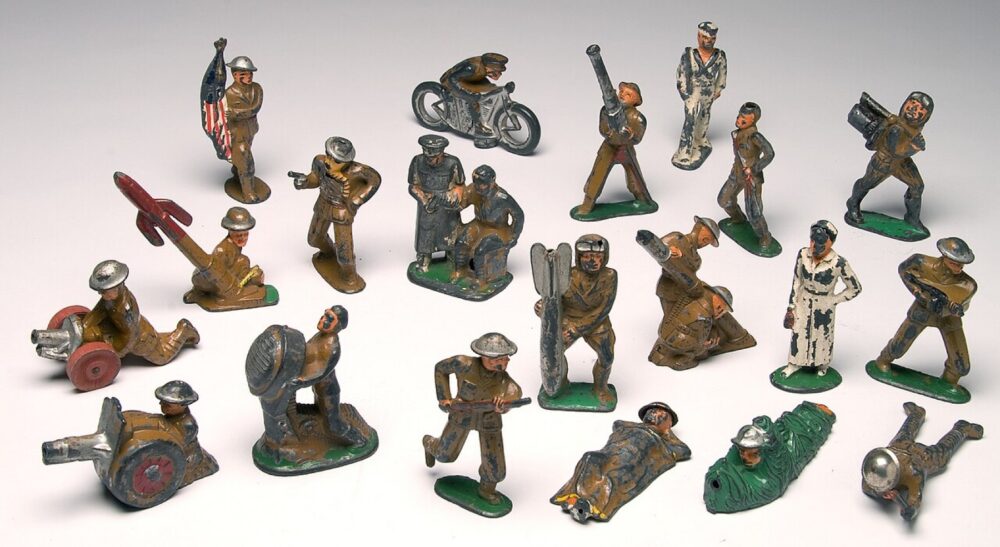
If you’re in the UK buying toy or model soldiers, eBay usually gives you the broadest range and competitive prices on used and collectible pieces, but it’s not always the cheapest way to buy modern, mass‑market playsets or bulk “green army men.” For vintage Britains or Mignot figures, eBay’s auction and “Buy It Now” listings often sit in the same price band as specialist dealers and auction houses, with condition and rarity driving the final number more than the marketplace itself. For new plastic soldiers and kids’ army toys, generic marketplaces and wholesale‑style sites can undercut eBay, especially for larger quantities.
What really drives toy and model soldier prices across marketplaces?
Before you compare eBay to anything else, you need to separate price drivers that follow the soldier itself from the price differences that come from the channel.
For collectible toy soldiers, editors and collectors consistently point to:
- Rarity and limited runs. The fewer units produced, the higher the price and demand tend to be. Limited editions or discontinued sets often sell for a clear premium over regular figurines.
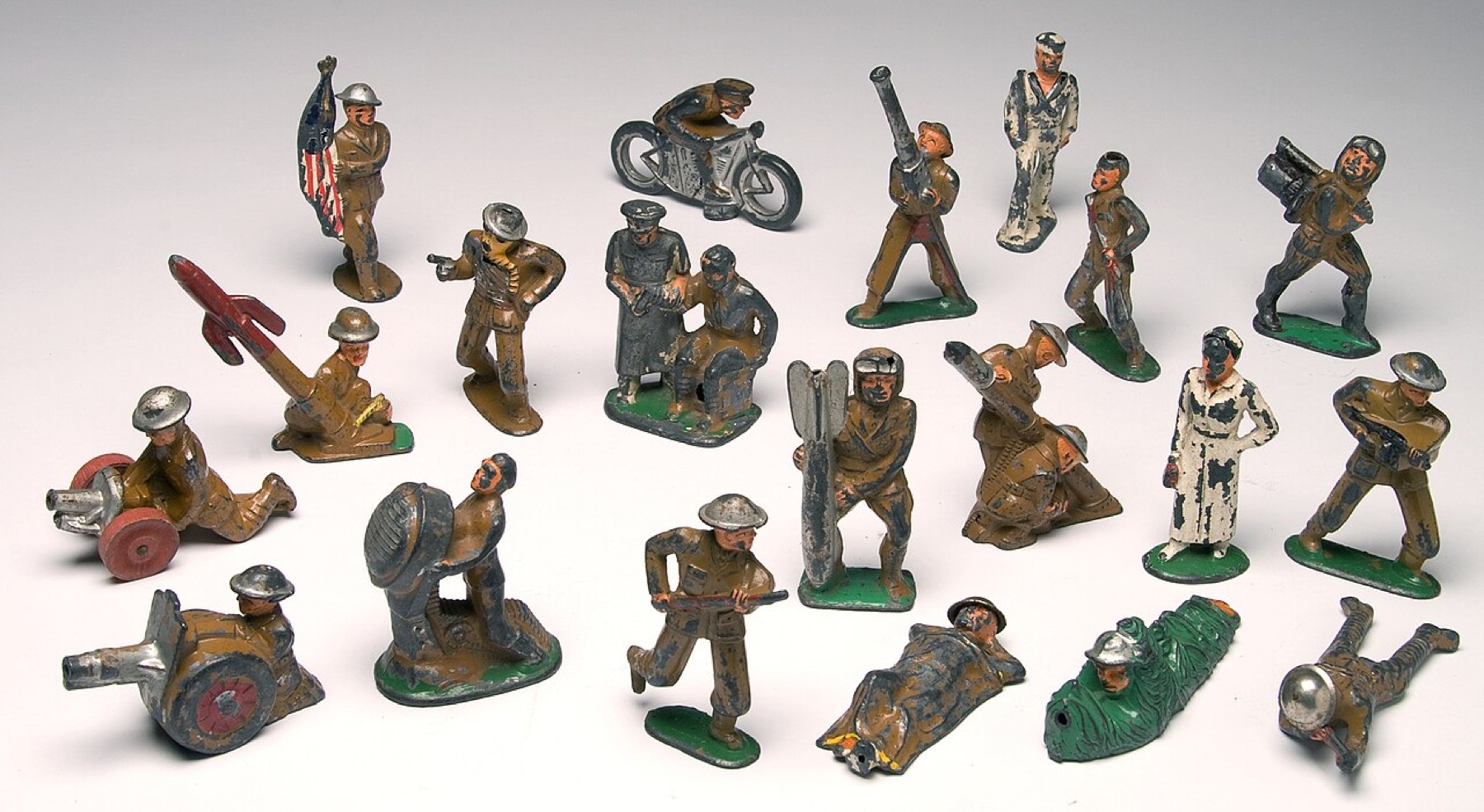
- Age and historical interest. Mid‑20th‑century and older toy soldiers are prized partly because they’re hard to find in good condition. Antique or vintage lines from brands like Britains or Mignot can command strong prices because they’re both scarce and historically interesting.
- Quality and materials. Finer metals, sharper sculpting and detailed hand‑painting all push prices up. Mass‑market plastic army men can be cheap almost everywhere; hand‑painted metal parade figures rarely are.
- Condition and completeness. Collectors pay more for soldiers that are close to “mint”: original paint, no breaks or repairs, and ideally with original boxes and accessories. Heavy playwear, missing pieces or repainting can move a figure from a collector’s item to a “filler lot.”
These factors apply no matter where you buy. A rare Britains set in mint condition won’t suddenly be cheap just because it’s on eBay instead of in a dealer’s cabinet. The marketplace mainly affects how many comparable listings you can see at once, how easy it is to negotiate, and what fees/shipping apply on top of the hammer or listing price.
How eBay compares with other places to buy toy and model soldiers
UK buyers now have several distinct channels for toy and model soldiers: online marketplaces, specialist dealers and shops, and auction houses. Each leans toward different types of inventory and price behaviour.
eBay (UK and global sites)
eBay UK’s toy soldier categories and related pages for British, vintage and 1:32 scale figures show how deeply the platform supports this niche. You’ll typically find:
- Wide variety: everything from loose plastic army men and modern model soldiers to older Britains, painted metal figures and full boxed sets.
- Used and mixed lots: job lots from house clearances or casual sellers, which can be significantly cheaper per figure than curated dealer stock.
- Price discovery: by searching sold listings and live auctions, you can see how often similar pieces sell and at roughly what level.
- Seller transparency: feedback scores and buyer reviews are built into eBay’s interface, giving you at least some signal on how previous buyers rated that seller.
Because eBay acts as a hybrid of fixed‑price marketplace and auction venue, prices for collectible soldiers often cluster around what collectors are currently willing to pay. That can make eBay efficient for fair market pricing, but less predictable for scoring true bargains on rare pieces.
Other online marketplaces
Platforms like Etsy or general classifieds and hobby sites host some toy and model soldier listings, but often in narrower pockets: handmade diorama accessories, custom figures, or occasional vintage pieces. These channels can be:
- More expensive for one‑off, hand‑made, or art‑led items, where creators set premium prices.
- Less suited to bulk lots or everyday plastic soldiers, where choice and competition are thinner than on eBay.
Cross‑border sourcing marketplaces and bulk army toys
If you’re a small ecommerce seller or buying big quantities for events, you might look at wholesale‑style marketplaces such as DHgate alongside eBay. A quick snapshot taken on 2026-09-29 shows listings like:
| Example listing (DHgate) | Type | Price range (USD) | Notes |
|---|---|---|---|
| 100PCS Children Toy Mini Military Soldiers Figures Models Playset | Bulk mini soldiers | 13.07-14.11 | 100‑piece plastic army men playset |
| World War II Military Toy Soldier Model 130 Pieces | 130‑piece set | 21.86-34.16 | WW2‑themed plastic soldiers for kids |
| Upgraded Military Base Building Block Sets WW2 Army Models | Building‑block army base | 32.8-67.29 | Bricks plus mini army figures |
| War Military World Army Soldiers Armored Vehicle Model | Block vehicle + soldiers | 19.29-41.58 | DIY building‑block military set |
Prices and availability can change, but this kind of listing shows why cross‑border sourcing sites may beat eBay on per‑unit cost for modern plastic soldiers when you’re ordering dozens or hundreds at once. The trade‑off: these platforms rarely cater to serious collectors, and every supplier must be vetted individually for quality and reliability.
Specialist toy soldier dealers and shops
Dedicated dealers, brick‑and‑mortar toy shops and antique sellers focus on curated stock: named sets, historically accurate models, and known collectible brands. You tend to see:
- Higher sticker prices than random eBay lots, reflecting professional grading, overheads and expertise.
- Better curation: fewer repros mixed into the racks, more information about the manufacturer, production run and condition.
- Scope to negotiate: collectors often research values and negotiate rather than accept the first price, especially on high‑ticket sets.
For mid‑range to high‑end Britains, King & Country or similar lines, these shops may match or slightly exceed eBay prices, but you’re paying partly for confidence in authenticity and the ability to handle the piece in person.
Auction houses and specialist live/online auctions
Dedicated auction houses that handle toy soldiers and militaria sit at the top end of the market. Collectors use them for:
- Rare sets and historically significant pieces.
- Large collections sold in one go.
- Items where provenance, catalog descriptions and expert photography matter.
Hammer prices can be similar to or higher than eBay’s closing bids for top‑tier pieces, once you factor in buyer’s premiums and shipping. The advantage over eBay is depth of information and the audience of serious bidders; the downside is less flexibility on negotiation and typically higher total transaction costs.
Which marketplace works best for different buyer and sourcing scenarios?
The best channel for you depends heavily on whether you’re a collector, a parent buying playsets, or a small seller sourcing stock.
1. UK collector hunting specific vintage or high‑end soldiers
If you’re chasing mid‑20th‑century Britains, Mignot or high‑detail resin and metal figures, eBay is strong for range and price discovery. You can watch multiple auctions, check sold listings, and see how condition affects realised prices. However, auction houses and specialist dealers deserve a look for marquee pieces: they often provide better provenance and grading, even if the headline prices aren’t dramatically lower.
Practical approach:
- Use eBay to benchmark values and find more common sets.
- For rare or expensive items, cross‑check dealers and auction catalogues; don’t assume eBay is cheaper just because it’s online.
- Be prepared to negotiate in dealer channels, especially where you can demonstrate recent sale prices from marketplaces.
2. Parent or casual buyer in the UK buying soldiers for play
If your goal is plastic army men, WW2 playsets or building‑block military bases for kids, marketplace choice can make more of a difference on price. eBay offers convenience and plenty of small lots, but a single‑seller bulk set on a cross‑border marketplace can be much cheaper per piece, as the DHgate snapshot above illustrates.
That said, you’re trading off shipping time, quality uncertainty and return friction against savings. For a one‑off birthday present, you might value eBay’s familiar interface and UK‑based sellers more than shaving a few pounds off a 100‑piece set from overseas.
3. Small ecommerce seller sourcing toy soldiers or army toys for resale
If you’re building a micro‑brand or stocking an online shop:
- eBay is useful for testing demand and finding small quantities of interesting pieces, especially mixed vintage lots you can curate and resell.
- Cross‑border sourcing marketplaces come into their own for repeatable bulk inventory of modern army men and themed sets at lower landed cost, with the caveat that you must validate each supplier and product yourself.
- Specialist dealers and auctions are better for niche, high‑margin collectible inventory, not for filling a warehouse with inexpensive plastic.
As a reseller, your typical strategy is hybrid: source mass‑market playsets from wholesale‑style platforms where the numbers work, and use eBay and specialist channels to acquire occasional collectible stock where rarity, age and condition justify the buy price.
In short, eBay is often the best first stop for UK buyers because it offers the broadest selection and realistic market pricing for toy and model soldiers. But if you’re buying cheap modern army toys in bulk, or chasing the very top end of the collectible market, it’s worth stepping off eBay and comparing specialist or wholesale marketplaces on a scenario‑by‑scenario basis.