
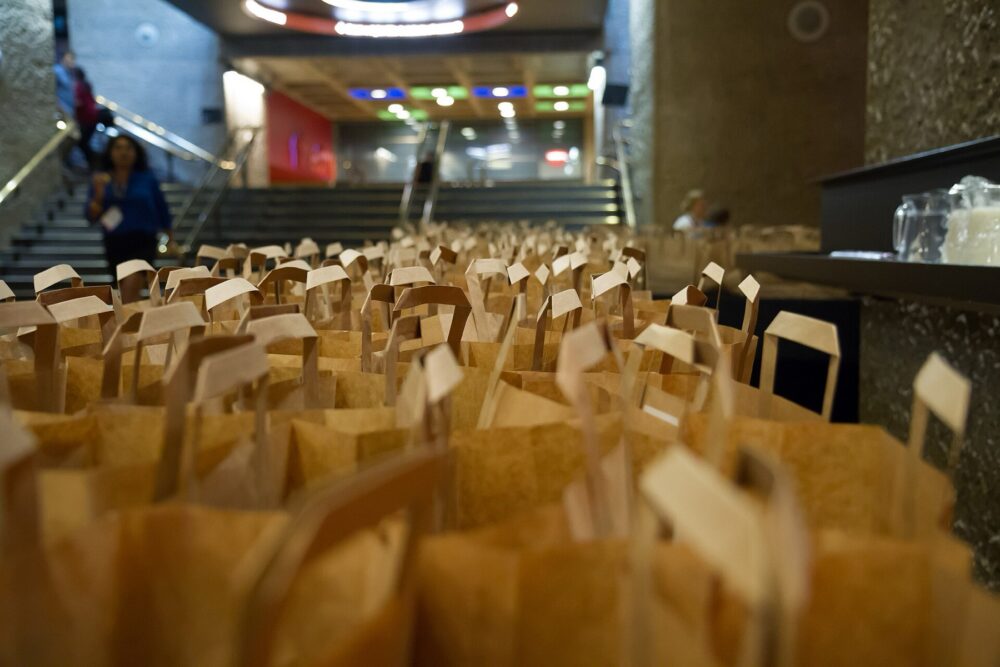
Amazon shows many similar-looking listings for white lunch bags, but the channel name alone says little about quality or value. Compare the exact bag dimensions, paper specification, intended use, pack count, seller, current delivered price, and any food-contact documentation you require. Buyers who need repeatable specifications or custom printing should also quote packaging specialists instead of assuming a marketplace listing will remain consistent.
What “Amazon white lunch bags” actually are and how to judge quality
Search for “white lunch bags” on Amazon and you’ll mostly see plain white paper sacks: the classic flat-bottom lunch bag used for sandwiches, snacks, favors, or crafts. Many listings look interchangeable, which makes it tempting to just grab the cheapest pack.
To make a smarter choice, focus on a few concrete specs:
- Size and volume. Match the published width, gusset, and height to the containers you actually use. Do not rely only on labels such as “standard” or “lunch size.”
- Paper specification. Compare stated paper weight or grade and request a sample when tear resistance or presentation matters. A listing photo cannot establish thickness or strength.
- Food-contact and environmental claims. If you are packing unpackaged food, ask for the documentation required by your use and jurisdiction. “Recyclable,” “compostable,” and “food safe” are distinct claims and should not be inferred from a white paper appearance.
- Finish and opacity. Cheaper bags may have uneven color, show grease quickly, or be semi-translucent. For gift bags or branding, you’ll want a uniform white finish that hides contents and takes printing or stamping cleanly.
- Pack size and effective unit price. Different pack counts and sellers can appear together. Calculate the live delivered cost per usable bag for each exact offer rather than assuming a larger pack is cheaper, as you can see in Amazon’s wider lunch bags category.
If you’re a small business, ask whether the bags are an identifiable, repeatable SKU and whether the seller can document material, dimensions, and intended use. “Generic” is not itself a quality standard.
How Amazon’s white lunch bags compare with other purchase channels
Amazon isn’t the only way to buy white paper lunch bags. Here’s how its role compares with a few other common channels for U.S. buyers.
Channel snapshot
| Channel type | Typical pack sizes | Price feel (per bag) | Quality consistency | Custom/branding options |
|---|---|---|---|---|
| Amazon marketplace | Consumer and some case-pack listings | Easy to compare current offers | Varies by listing and seller | Check each listing |
| Local or big-box retail | Immediate, smaller purchases | Useful when you need to inspect or buy now | Varies by stocked brand | Usually limited |
| Packaging and food-service suppliers | Repeat orders and specification-led buying | Quote case price plus freight | Easier to compare documented SKUs | Ask about printing and minimums |
| Cross-border marketplaces | More often reusable or insulated lunch bags in the reviewed results | Compare samples and landed cost | Listing-specific | Listing-specific |
Amazon vs big-box retail. Amazon makes it easy to compare multiple listings, while a local store may let you inspect a stocked bag and take it home immediately. Compare the exact pack, unit cost, and availability instead of assuming either channel is cheaper.
Amazon vs office/restaurant suppliers. For repeat buyers, office-supply or food-packaging specialists may provide clearer case quantities, documented specifications, samples, and print options. Compare a freight-inclusive quote with the exact marketplace offer; neither channel is automatically cheaper.
Amazon vs cross-border marketplaces. The reviewed DHgate results focused on reusable and insulated lunch bags rather than commodity paper sacks. That makes them a different product category, not a like-for-like price comparison. If you are evaluating a reusable tote, verify the specific listing, seller, sample, materials, dimensions, printing offer, delivered cost, and timing.
Why price comparisons are messy
Editorial review sites like Wirecutter and Serious Eats focus on reusable insulated lunch boxes around a much higher price point ($20–$40 for a single bag or box). Commodity paper lunch bags don’t get that level of testing. Consumer discussions on Reddit’s bag-focused communities show people comparing bags by durability, usability, and style—not just a dollar or two in price difference.
For repeat orders, small differences in strength, grease resistance, and color consistency can affect waste and presentation. Test samples before choosing on unit price alone.
Best sourcing paths for different white lunch bag buyers
Different buyers have very different needs. Here’s where Amazon’s white lunch bags make sense, and where it’s smarter to look elsewhere.
1. Households and casual use
If you’re packing school lunches, organizing kids’ snacks, or doing small craft projects:
- Amazon is one convenient comparison point for a modest order, but check the current delivered unit cost against local options.
- Skim reviews for comments about tearing, leaking, and odor. A slightly higher price can be worth it if bags don’t split at the fold.
- Choose size based on how you actually pack (standard sandwich vs multiple containers).
For truly small quantities or last-minute needs, grabbing a pack from a local discount or craft store can still be fine, even if the per-bag price is higher.
2. Event planners, schools, and nonprofits
If you’re assembling hundreds or thousands of snack bags, favors, or boxed lunches, quality and handling are more critical:
- Office/restaurant supply or food-packaging specialists may offer case quantities and clearer specifications. Request the actual SKU documentation and a sample rather than assuming tighter quality control.
- Consider whether you need grease-resistant or heavier paper to avoid leaks from chips, cookies, or oily foods.
- Amazon can still work for overflow or specialty sizes, but relying on multiple consumer-grade listings increases your risk of inconsistent paper and dimensions across batches.
Event teams often care about look and feel as much as price. Color uniformity and bag stiffness are easier to get from packaging-focused suppliers than from mixed Amazon sellers.
3. Small ecommerce and food brands
If your white lunch bag doubles as customer-facing packaging—think bakery grab bags, coffee bean samples, or merch packs—your priorities shift:
- You need consistent specs that align with your branding (paper tone, texture, and size), not just the cheapest generic bag.
- Custom printing or labels matter. Packaging and print wholesalers can offer white lunch bags pre-printed with your logo, or plain bags engineered to work well with your chosen label stock.
- Amazon is fine for prototyping: buying a few different white bag styles to test how they work with stamps, stickers, or inserts.
Once you lock in a look, compare repeat-order quotes from packaging specialists and, for reusable totes, vetted cross-border sellers. Require consistent specifications before assuming either route will reduce cost.
Pulling it together
For disposable white paper lunch bags, Amazon is a convenient benchmark because it exposes multiple offers and pack counts. As volume, branding needs, or compliance requirements grow, treat the bag as a packaging component: define the specification, obtain samples, compare freight-inclusive quotes, and document the supplier you select.