
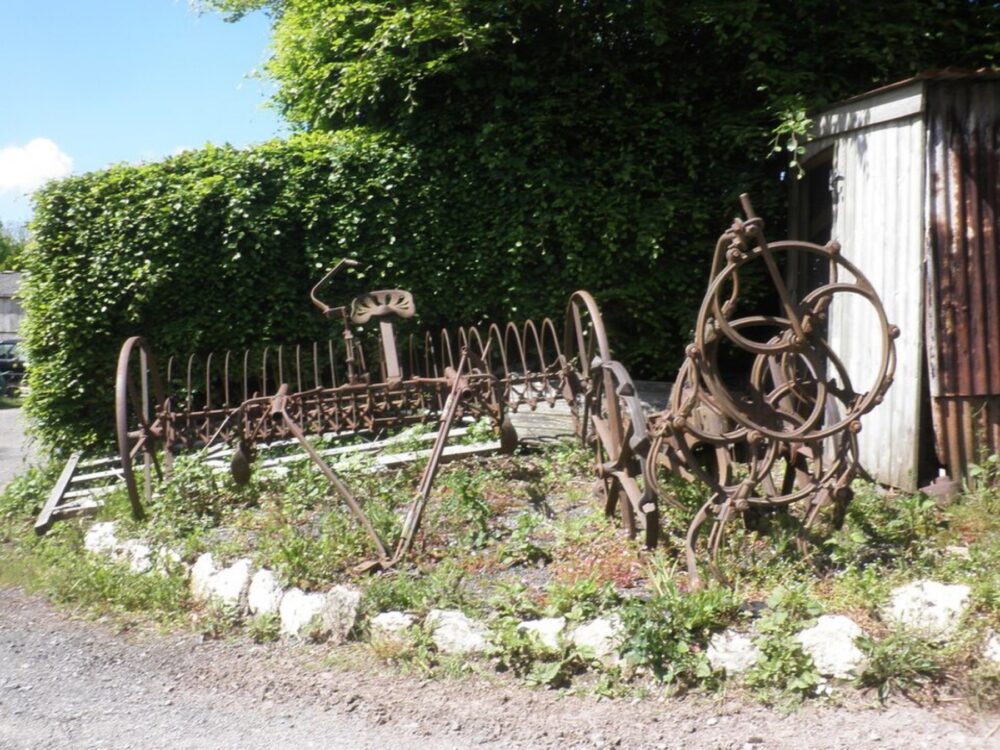
Antique tractors and vintage farm machinery don’t have a single “best” online marketplace. For Canadian buyers and small resellers, prices change more with who’s bidding (local farmers vs global collectors), how listings are structured (auction vs fixed price), and how much detail you get on condition and provenance than with the platform logo. A mid‑century tractor might go cheaply on a local Facebook listing where it’s “just old iron,” but sell significantly higher in a niche auction where collectors recognize its rarity.
If you’re deciding where to source or sell, think in terms of channel fit: general marketplaces like eBay for global reach and mixed pricing, Etsy for smaller, design‑oriented vintage items, local platforms and forums for complete machines and implements, and specialist auctions for top‑end collectible value. Once you frame the decision that way, vintage tractor values online start to make more sense.
What Really Drives Antique Tractor Value Across Online Channels
Before you compare eBay against Etsy or a farm forum, it helps to know which levers actually move prices for vintage machinery. General collectible guidance on condition, rarity and desirability applies here too, although machinery-specific inspection and transport costs need separate attention.
Audience and intent
On a global site with millions of users, you’ll see everything from budget buyers wanting a working mower to collectors chasing a specific early run of an iconic tractor. On a small tractor forum, nearly everyone understands model history and parts interchange, which can push rare pieces higher while keeping common workhorses realistic.
Listing format: auction vs fixed price
Large marketplaces such as eBay support both auction‑style and fixed‑price listings.Source Auctions can drive strong prices for rare or highly desirable tractors when multiple bidders recognize the value. Fixed‑price listings suit more common machines, but if the seller sets the price too high, they can sit unsold while similar units clear in auctions or local sales.
Condition, rarity, desirability
Vintage machinery behaves like other collectibles: condition, rarity and how much people want a particular model are core value drivers.Source A tractor with original paint, complete sheet metal and documented history generally commands more than a patched‑together work unit. Low‑production variants, early diesel models or machines tied to a local brand story can sell above “book” value when the right audience sees them.
Locality and logistics
A tractor is not a trading card. Many transactions are effectively local because the cost and hassle of moving several tons of iron cross‑border can exceed the price of the machine. That’s why Facebook Marketplace, Kijiji, and regional forums matter: they let you reach buyers who can realistically pick up on‑site in Ontario, Alberta or Quebec, and avoid customs paperwork and freight quotes.
Transparency of condition and history
The more photos, videos, serial numbers and service notes you see, the easier it is to judge value. Where a marketplace exposes completed-sale data, you can use comparable sold listings as one reference point,Source then adjust for condition, location and transport cost.
Total cost: fees, travel, and repairs
Seller fees, hauling, and the first repair bill all affect real value. A tractor that looks cheap on a forum might end up costing more than a cleaner machine won locally once you factor in hauling from another province and sourcing hard‑to‑find parts.
How Major Marketplaces Handle Vintage Farm Machinery Listings
Different platforms evolved for different types of buyers. That shows up clearly in how vintage tractors and implements are listed and valued.
Quick comparison of key channels
| Channel | Typical inventory for vintage machinery | Audience & reach | How listing style tends to affect value |
|---|---|---|---|
| eBay | Parts, smaller implements, manuals, some complete tractors | Global, mixed buyers and collectors | Auction vs fixed price creates both bidding upside and firm price ceilingsSource |
| Etsy | Smaller vintage farm items, decor, manuals, branded memorabilia | Niche, design/collectible‑oriented | Handmade and vintage items often priced at a premium due to uniquenessSource |
| Facebook Marketplace | Full tractors, implements, barn‑finds, local surplus | Strongly local, some regional | Local pickup and “must go” listings can create bargains or underpricingSource |
| Niche forums & groups | Specific brands/models, parts, restoration projects | Enthusiasts and restorers | Deep knowledge raises rare items; work machines priced closer to practical use value |
| Online auction houses | Curated antique tractors, show tractors, rare implements | Serious collectors and dealers | Competitive bidding often pushes top‑tier pieces to strong realized pricesSource |
eBay: broad reach, varied pricing
On eBay you’ll find a wide range of vintage‑machinery‑related listings: smaller implements, parts, manuals, and sometimes complete tractors offered for local pickup. Because eBay supports both auction and fixed‑price formats,Source sellers can test the market: list a rare part at auction and let collectors compete, or set a firm price on a common implement.
For Canadian buyers, eBay is particularly useful for price research. By filtering to sold listings for a particular model or part number,Source you can see what buyers actually paid recently and how condition and location affected those outcomes.
You can see an example of how a single farm‑related manual is offered on Etsy via this service manual listing, which illustrates the kind of niche, vintage documentation that appears on platforms beyond eBay.
Etsy: vintage aesthetic, smaller items
Etsy focuses on handmade and vintage goods, including niche collectibles.Source That makes it more relevant for smaller vintage farm items than for entire tractors: think signage, manuals, branded apparel, or repurposed tractor parts turned into decor. Unique, handmade, or rare pieces often carry higher prices here because the audience is primed for special, one‑off items rather than utility.Source
If you operate a small ecommerce brand selling farm‑themed decor or upcycled tractor components, Etsy can be a better value channel than a general marketplace, even though fees and expectations are different.
Facebook Marketplace and local groups: where whole tractors live
Facebook Marketplace and local buy/sell groups skew heavily toward complete machines and implements in Canada, often for pickup within a reasonable drive. Sellers may be downsizing a farm, clearing a yard, or offloading a non‑running project.
Editorial comparisons of marketplaces note that local and forum-style channels can offer unusual items and deals, but transaction safeguards vary and buyers need extra caution.Source That description fits many tractor listings: pricing can be volatile, and conditions range from pristine to parts‑only. For large machinery, these platforms often provide the most practical path to an in‑person inspection before you commit.
Forums and enthusiast communities
Brand‑specific forums and vintage machinery clubs aren’t as polished as mass marketplaces, but they punch above their weight for value decisions. Members trade tractors, implements and scarce parts, but they also share detailed knowledge about serial ranges, factory options and known weaknesses.
Prices in enthusiast communities may reflect specialist knowledge more clearly than an unresearched local listing, but they are still asking prices until a sale is completed. Rare attachments or early diesel variants can reach knowledgeable buyers, which may support firmer pricing while making accurate descriptions more important.
Online auction sites
Specialist auction platforms that partner with auction houses to offer antiques and collectibles often mix live and timed online bidding.Source For vintage farm machinery, they tend to feature curated consignments: restored show tractors, historically significant implements, and estate collections.
That curation and competitive bidding can push values higher, especially for tractors with documented provenance. As a Canadian reseller, watching these auction outcomes can help you spot undervalued items on local channels that might merit restoration and later resale through an auction route.
Matching Channels to Canadian Buyer and Reseller Profiles
Different roles should prioritize different channels. Here’s how the landscape tends to shake out.
Scenario 1: Canadian collector building or upgrading a fleet
If you care about model history, correctness and long‑term value:
- Watch specialist auctions and enthusiast forums to benchmark prices for the exact models you want. These venues show what serious collectors are willing to pay for documented tractors, similar to how rare posters and other collectibles are tracked through specialist auction houses.Source
- Use eBay sold listings to fill in gaps for parts, manuals, and small accessories.Source Cross‑check condition and photos so you’re comparing like for like.
- Shop locally (Facebook Marketplace, Kijiji, farm classifieds) for whole machines you can inspect in person. This is often where you’ll find barn‑stored tractors that haven’t been exposed to collector pricing yet.
You may pay more at auction than in a local yard, but you’re trading some price upside for confidence in rarity and condition.
Scenario 2: Parts hunter keeping working tractors alive
If your priority is keeping older tractors running rather than curating show pieces:
- eBay and forums are strong for obscure parts, rebuild kits, and attachments where shipping is feasible.
- Local channels are best for bulky items like tires, rims, and sheet metal you can pick up without freight.
- For consumables and generic components (fasteners, hydraulic fittings, some driveline elements), cross‑border marketplaces such as DHgate can be useful. Query‑time product data from DHgate in late 2026 shows listings for agricultural and machinery parts—such as a Brake Half Shaft Precision‑Fit farm equipment spindle component observed on 2026-09-29—alongside greenhouse accessories and other agricultural supplies.Source These are parts you’d spec by dimension and material, not collectible tractor assemblies.
In all cases, value depends on matching the channel to the part type: rare, model‑specific components where community knowledge matters vs generic items where cross‑border sourcing can save money.
Scenario 3: Small ecommerce reseller
If you’re in Canada and want to build a business around vintage farm machinery or related products, you likely need a multi‑channel strategy:
- Source inventory locally: whole tractors and implements from Facebook Marketplace, farm auctions, and estate sales, where you can negotiate and inspect on‑site.
- Resell high‑end or historically significant pieces through online auctions or specialist communities where collectors congregate.Source This is where you’re most likely to see a meaningful premium for rare, well‑documented tractors.
- Spin off smaller items—badges, manuals, decor pieces—onto Etsy or similar marketplaces that reward uniqueness and storytelling.Source
- Use global marketplaces and cross‑border sourcing platforms for parts and accessories that support your restorations or branded add‑ons, but keep your margin math honest by including freight, duties, and your own handling time.
No single marketplace will give you the best value across tractors, implements, parts, and decor. The strongest results usually come from pairing local sourcing of bulky machinery with targeted use of global and niche platforms for the specific audience you’re trying to reach.