
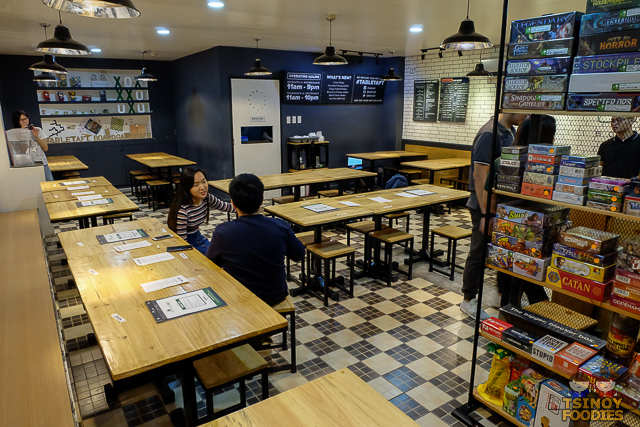
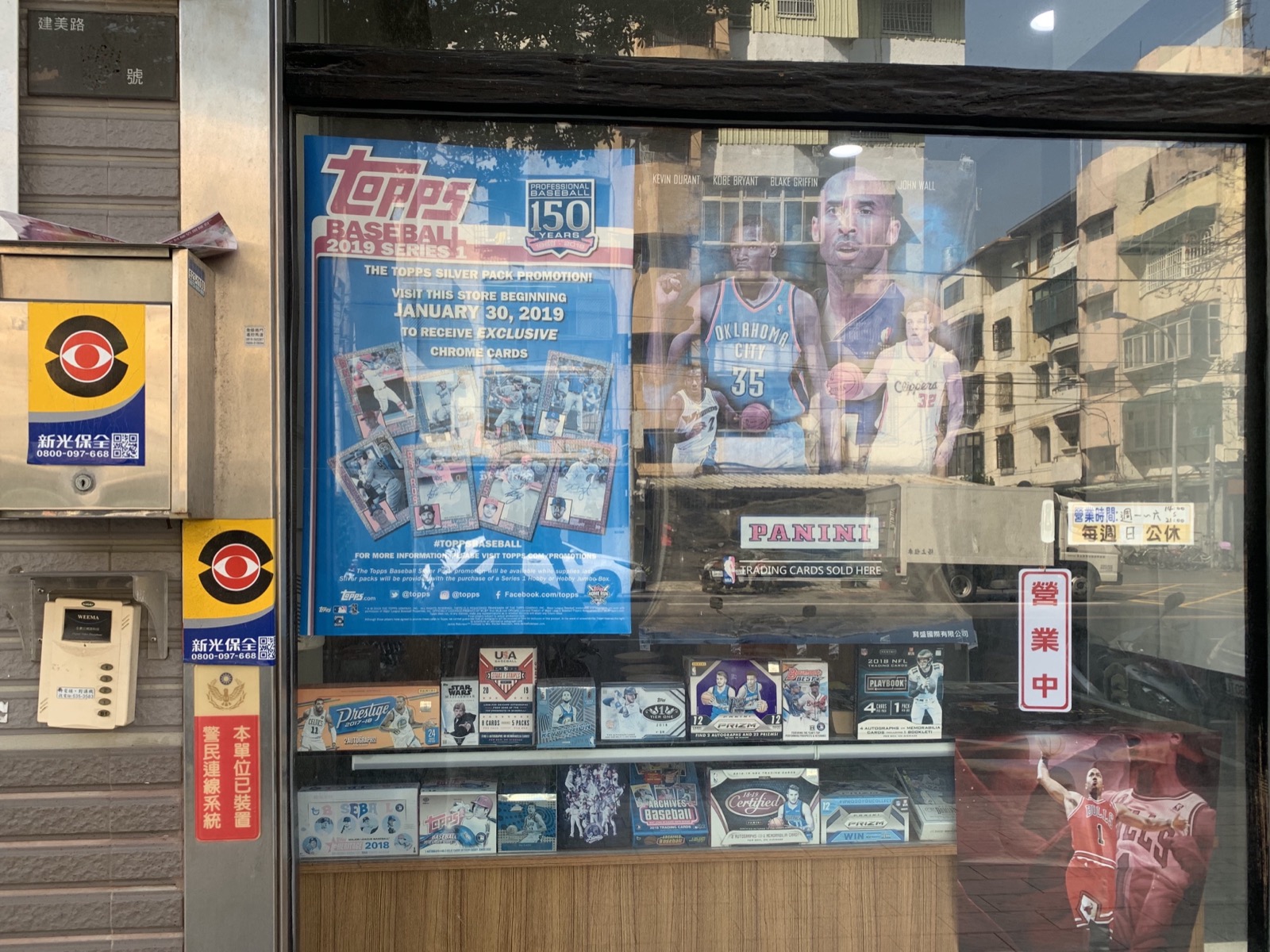
Mimic’s Market is best understood as a local game shop and event hub, not a full online marketplace like Amazon or Etsy. It hosts regular events for games such as Magic: The Gathering and Pokémon and sells related products on-site. That makes it a strong channel for in-person community, play, and niche finds, but it can’t replace broad online marketplaces for wide selection, national reach, or scalable sourcing. Most US buyers and small resellers will get the most value by treating Mimic’s Market as one piece of a larger mix that includes mainstream ecommerce sites and, when needed, cross-border sourcing platforms.
What Mimic’s Market Actually Is (and Isn’t)
The official Mimic’s Market site highlights a calendar of weekly events for trading card games and other tabletop play. That signals a brick-and-mortar hobby venue where you can play, meet other fans, and buy cards or related merchandise in person.
There is no evidence that Mimic’s Market runs a multi-seller online marketplace: you don’t see catalog-style product browsing, third‑party seller storefronts, or cart-and-checkout features for remote ordering. In practice, you’re comparing a single local shop and event space with large platforms that host thousands or millions of independent sellers.
Why this distinction matters:
- A local venue’s “selection” is limited by physical shelf space and local buying patterns.
- Pricing is set by one store, not competitive sellers bidding for your business.
- Reach is mostly local; you or your customers generally need to be nearby.
- Buyer interaction is face‑to‑face instead of mediated through profiles, ratings, and platform messaging.
If you go in expecting Amazon‑style breadth or nationwide availability, you’ll misjudge what Mimic’s Market can realistically do for your buying or sourcing strategy.
To put this in context, brand editorial on online marketplaces notes that giants like Amazon, Alibaba, and Etsy have set a high benchmark for convenience and variety, with products ranging across many categories and reaching buyers worldwide. You can see that broad model described in this overview of the future of online marketplaces.
Mimic’s Market vs Major Online Marketplaces
Large online marketplaces such as Amazon, Alibaba, Etsy, and eBay are built to connect huge numbers of buyers with huge numbers of independent sellers. Editorial coverage of platforms like Etsy and eBay emphasizes benefits such as wide selection, global reach, direct interaction with sellers, and customer reviews that help buyers make informed decisions.
Here’s how that model stacks up against a venue like Mimic’s Market:
| Dimension | Mimic’s Market (local venue) | Major online marketplaces (Amazon, Etsy, eBay, etc.) |
|---|---|---|
| Core role | Game shop and event hub for hobby communities | Multi-seller platforms covering many product categories |
| Product focus | Trading card games, board games, and related items in-store | Millions of listings, including hobby/game products and general goods |
| Geographic reach | Primarily local customers who can visit in person | Buyers nationwide or globally via remote ordering |
| Buyer interaction | In-person staff, playgroups, and scheduled events | Profiles, messaging, and reviews between buyers and independent sellers |
| Discovery style | Physical browsing, talking to staff and players | Search filters, algorithms, and curated niche storefronts |
| Best fits | Community play, testing decks, small local purchases | Broad product discovery, remote buying, and scalable sourcing |
From a buyer’s perspective, online marketplaces shine when you need:
- Wide selection. Platforms like Etsy and eBay aggregate thousands of independent sellers, which brand editorials describe as a key reason these marketplaces offer such a diverse range of handmade, vintage, and specialty goods.
- Global reach. Marketplace models make it possible to buy from sellers in other states or countries without leaving home.
- Asynchronous discovery. You can search, filter, and compare listings in minutes instead of visiting multiple physical stores.
Mimic’s Market does something different: it concentrates a specific hobby community in one place and builds social value around events. That specializes it for:
- Trying new formats and decks with live opponents.
- Getting informal advice from staff and regulars.
- Picking up singles, boosters, or accessories when you’re already there to play.
For small ecommerce businesses, the distinction is sharper. If you are reselling card singles or accessories, first confirm what Mimic’s Market actually buys, sells, or trades; its public event presence alone does not establish a reseller-supply program. Online marketplaces serve a different role for remote discovery and sales.
Some sellers will layer in cross-border sourcing platforms too. DHgate, for example, operates an online marketplace connecting international suppliers with buyers; it can make sense as one sourcing option for generic accessories (sleeves, playmats, storage boxes) if you carefully vet individual listings and suppliers. To see how DHgate compares more directly with other global marketplaces, you can read a comparison of DHgate, AliExpress, Alibaba, and Temu.
Who Should Use Mimic’s Market, and When to Choose Other Channels
Because Mimic’s Market is a venue first and a retail outlet second, its best-fit scenarios depend on who you are.
Scenario: Hobby player in the US
If you’re mainly a player:
- Use Mimic’s Market for: Weekly events, meeting opponents, testing decks, and buying small quantities of cards or accessories you want immediately. The in-person environment is hard to replicate online.
- Use online marketplaces for: Filling out collections, chasing specific singles, and finding niche accessories not stocked locally. Editorial coverage of Etsy and eBay’s breadth of independent sellers points to their strength for unusual, custom, or handmade gaming items.
In practice, you might build a deck’s core at Mimic’s Market through trading and event winnings, then grab hard‑to‑find singles or custom accessories online.
Scenario: Small ecommerce reseller
If you run a small online shop or sell on platforms like Etsy or Facebook Marketplace:
- Treat Mimic’s Market as a local venue unless the shop confirms additional services. Events can help you observe player interests, but do not assume the store buys inventory or offers wholesale terms.
- Rely on major marketplaces for scalable stock. Amazon, Alibaba, and similar platforms host many suppliers for generic hobby accessories, allowing you to see broad styles and price ranges without being limited to one local shop.
- Layer cross-border sourcing carefully. Cross-border platforms (including DHgate) can expand your selection of manufactured accessories or storage solutions, but they work best as one channel among several. For deeper detail on how DHgate’s marketplace operates, you can explore what DHgate is and how the marketplace works alongside guidance on finding wholesale suppliers on DHgate.
A realistic mix for a US hobby-focused business often looks like this:
- Local venues like Mimic’s Market for community presence, real-world testing, and limited local sourcing.
- Big online marketplaces for broad inventory, remote customers, and day‑to‑day ecommerce sales.
- Selective cross-border sourcing to fill gaps in your catalog or reduce per‑unit costs on standardized accessories.
If you calibrate expectations this way, Mimic’s Market becomes a strong complement to major marketplaces rather than an underpowered substitute.