
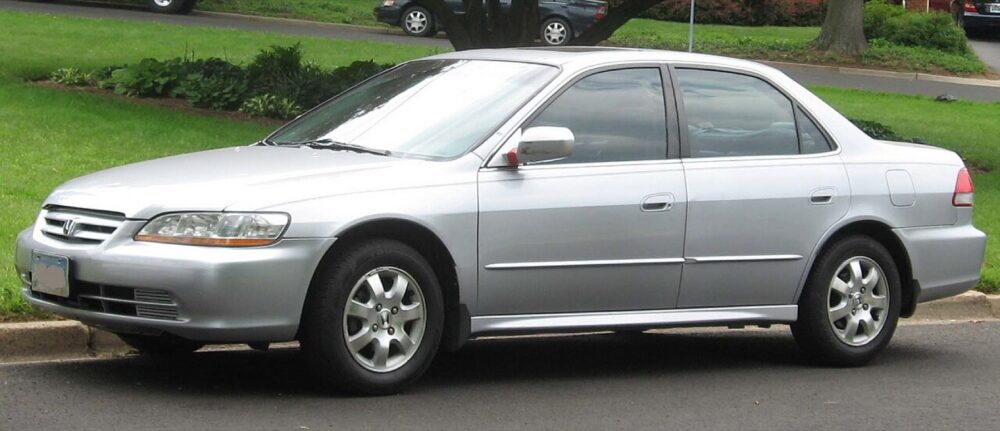
If you need radio parts for a 2001 Honda Accord, you have two realistic paths: replace the original Honda unit with OEM components, or install an aftermarket stereo using Accord-specific dash kits and wiring harnesses. OEM-style parts are easiest to find through Honda-focused online catalogs and salvage yards that list complete 2001 Accord radio/audio units. Aftermarket stereos, including Bluetooth and touchscreen options, are widely available from car audio retailers that let you filter receivers by “2001 Honda Accord” and often bundle the brackets and adapters needed to make them fit.
The right choice depends on whether you care more about factory look and plug‑and‑play simplicity (OEM) or modern features and sound quality (aftermarket). Below, we’ll break down what “radio and stereo” actually means on this generation of Accord, how fitment works, and where buyers and small resellers can realistically source parts.
What counts as “radio and stereo” on a 2001 Honda Accord?
On a 2001 Accord (part of the 1998-2002 generation), the “radio” is more than just the front face with buttons. Honda breaks the sound system into several components in its parts catalogs:
- Radio/control unit – the head unit with the display, buttons, cassette/CD, and internal tuner.
- Radio bracket and trim – the metal and plastic pieces that mount the unit into the center stack and integrate it with the climate controls.
- Sound system pieces – front/rear speakers, sometimes tweeters on higher trims, plus wiring.
- Antenna and antenna cable – the mast or integrated antenna and the cable that feeds the radio.
Honda-focused parts sites show these items in diagram form, organized by model, engine, and trim (LX, EX, etc.), so you can see how the radio and antenna components fit together for a 2001 Accord and look up part numbers by section of the dash instead of guessing.
Common reasons owners replace or upgrade these parts:
- Failed or intermittent audio (no sound from one channel, internal amp issues).
- Dead or skipping CD/cassette mechanisms.
- Display problems (missing segments, backlight failure).
- Broken knobs or buttons.
- Desire for modern features such as Bluetooth, USB, CarPlay/Android Auto, or better EQ.
If your issue is purely cosmetic or mechanical (for example, a bad CD drive but satisfactory sound), an OEM replacement unit or used pull from a salvage yard can be the simplest fix. If you want streaming, navigation, or dramatically better audio, you’re looking at an aftermarket upgrade.
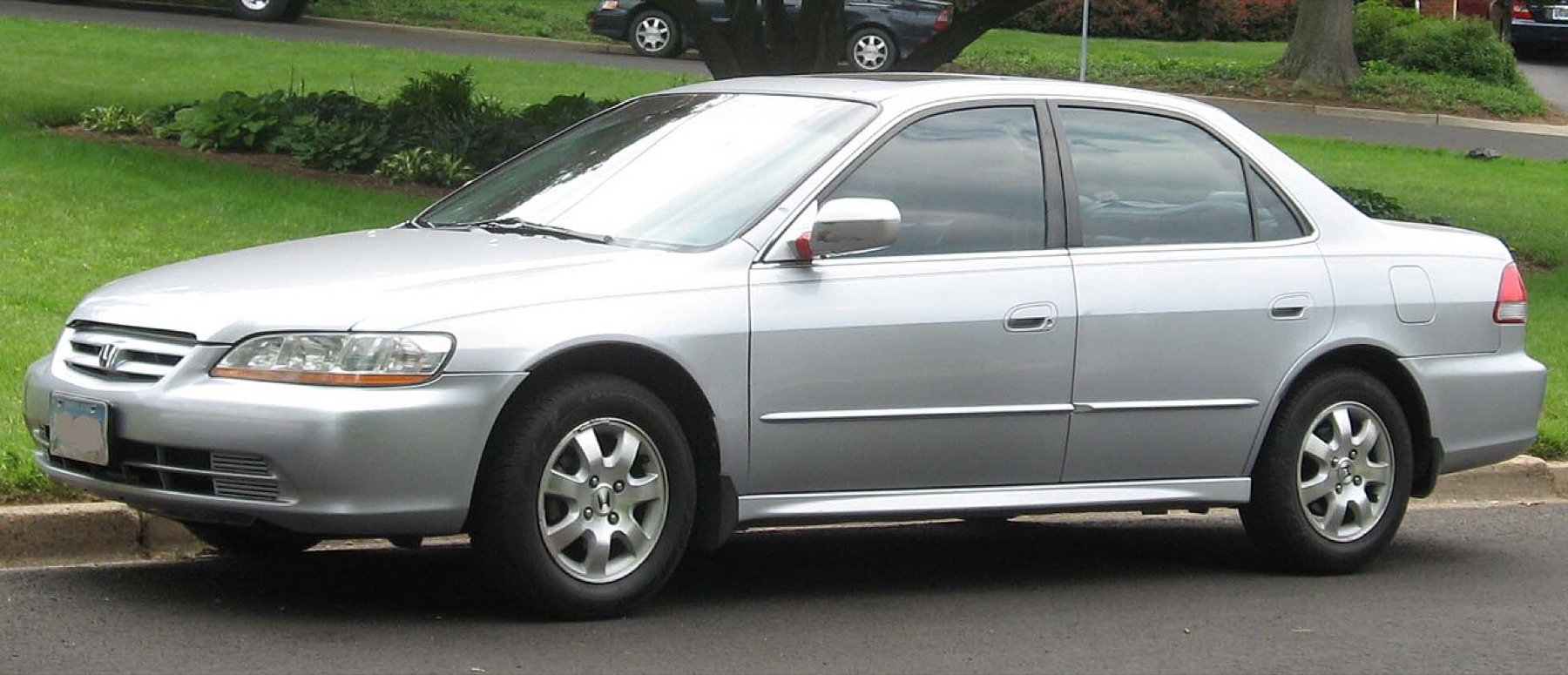
OEM replacement vs aftermarket upgrade: fitting a new radio into a 2001 Accord
The 1998-2002 Accord dashboard was designed around the factory Honda radio, not a standard aftermarket opening. That’s why fitment is the core decision: do you stay with OEM so it bolts in, or use kits to adapt the opening for something modern?
How the factory opening works
The dashboard opening, factory connector, trim, and audio configuration can vary by body style, trim, and installed equipment. Do not infer fit from the model year alone: use the vehicle identification number, the part number on the existing unit, and a vehicle-specific fitment guide before ordering.
Enthusiast and DIY forums show owners swapping radios in 2001 Accords and discussing:
- Which dash kits match the 1998-2002 interior.
- How to retain or relocate the factory climate controls.
- Whether a given kit supports a single‑DIN radio with pocket or a true double‑DIN touchscreen.
These examples show that aftermarket installations are possible, but the required kit, harness, antenna adapter, and installation work must be confirmed for the specific vehicle and receiver.
OEM replacement path
Pros
- Direct physical fit with Honda brackets and trim.
- No need to cut or modify the dashboard.
- Wiring is plug‑and‑play if you get the right Accord‑specific unit.
Cons
- Limited to early‑2000s features (CD/cassette, no native Bluetooth).
- New OEM units for this age are rare and expensive; many options are used.
OEM parts catalogs for 2001 Accords show the radio, bracket, and sound-system components with exploded diagrams. These sites let you filter by body style and trim and view the radio/control unit and associated hardware for a 2.3L LX, EX V6, etc. For buyers who want the car to remain stock, this is the path to identify the correct part number and then source either new old stock or a used unit.
Salvage yards and used‑parts marketplaces often list complete radio/audio assemblies for 2001 Accords and note that they can remove the unit on request. This is a practical way to get an OEM head unit and brackets as a package, especially if you’re fixing a high‑mileage commuter on a budget.
Aftermarket upgrade path (single‑DIN and double‑DIN)
DIY audio communities show many owners using double‑DIN dash kits to install modern touchscreen stereos in 1998-2002 Accords. Typical scenarios:
- A double‑DIN kit provides a rectangular opening and new trim.
- The climate control section is retained or relocated depending on kit design.
- An aftermarket wiring harness connects the new stereo to the factory wiring.
Car audio retailers reinforce this path: they offer stereo receivers that can be filtered specifically for “2001 Honda Accord,” and those product pages frequently mention bundled dash kits, wiring harnesses, and antenna adapters for that vehicle. While not every listing includes all accessories, the pattern is clear—retailers recognize this generation’s unique dash and sell fitment solutions alongside the radios.
Trim and engine (LX vs EX, 4‑cylinder vs V6) mainly affect things like factory speaker count or optional features, not the basic ability to fit an aftermarket unit with the right kit. The main decisions for you:
- Single‑DIN radio + storage pocket – simplest upgrade, less screen space, often cheaper.
- Double‑DIN touchscreen – more visual integration and features, requires a double‑DIN kit.
OEM vs aftermarket at a glance
Here’s a compact comparison tailored to the 2001 Accord:
| Path | Fitment & install effort | Features level | Best for |
|---|---|---|---|
| OEM new/used unit | Bolts to factory brackets; wiring plugs straight in | Original CD/cassette, no modern apps | Restorations, keeping car stock, quick fix for failed radio |
| Single‑DIN upgrade | Needs Accord kit + harness; moderate DIY complexity | Bluetooth/USB, better sound, simple UI | Daily drivers needing modern connectivity on a budget |
| Double‑DIN upgrade | Requires double‑DIN kit and careful dash work | Touchscreen, CarPlay/AA, rich features | Owners willing to modify dash for a more modern in‑car system |
Where to buy 2001 Accord radios, stereos, and related parts
For a 23‑year‑old car, availability and reliability vary by channel. Here’s how the main options stack up for individual buyers and small e‑commerce resellers.
1. OEM parts catalogs and Honda specialists
Honda‑focused parts sites let you select “2001 Honda Accord” and then drill into categories such as “Sound System” or “Antenna & Radio”. These pages show diagram views of the radio assembly, brackets, and sometimes speaker components, all tied to specific part numbers. A representative example is the sound‑system catalog for the 2001 Accord at an OEM Honda parts marketplace and an antenna/radio section at a Honda automotive parts site.
These sites are especially useful for:
- Confirming the exact part number for your trim and body style.
- Comparing how the radio/control unit differs between LX, EX, and V6 models.
- Checking which brackets or screws you may be missing on a partial dash.
Enthusiast forums often link back to these catalogs when helping owners identify the right radio configuration, which underlines their role as reference tools even if you ultimately buy from a different retailer or a salvage yard.
2. Used parts and salvage yards
For many 2001 Accords, the most practical OEM solution is used. Salvage yards and online used‑parts marketplaces list complete “RADIO AUDIO” assemblies pulled from donor Accords. One such listing category shows a 2001 HONDA ACCORD radio/audio unit available with a note that removal may take up to a day, which is fairly typical of how these businesses operate (example used‑parts listing).
Advantages for buyers and small resellers:
- Access to genuine Honda units with factory brackets.
- Potential to buy multiple radios from dismantled Accords as resale inventory.
- Often lower cost than rare new OEM stock.
Caveats:
- Condition varies widely; you’re dealing with used electronics.
- Features will still be early‑2000s; good for restoration or basic audio, not modern tech.
3. Fitment‑focused car audio retailers
If you’re ready to upgrade, car audio specialists are the most direct source. Retailers such as Sonic Electronix maintain pages specifically for “2001 Honda Accord Stereo Receivers” that let you filter radios for that vehicle and highlight potential accessory bundles (dash kits, wiring harnesses, antenna adapters) on the product listing itself (example stereo receiver filter page).
For a 2001 Accord owner or a small shop doing upgrades, this matters because:
- You avoid guessing whether a radio will physically fit the 1998-2002 dash.
- The site often suggests the right installation kit and harness for your exact year.
- You can pick between single‑DIN and double‑DIN options with known kit compatibility.
DIY audio communities then provide real‑world feedback on which double‑DIN kits work cleanly in this generation. Forum threads about “2001 Accord OEM stereo replacement” and “98-02 Accord double DIN upgrade” show people successfully installing modern touchscreens using these kits, reinforcing that this is a proven path rather than an experiment.
4. How a typical upgrade scenario plays out
To make this concrete, here’s a common 2001 Accord upgrade path:
- Owner has a 2001 Accord EX V6 with a failing CD mechanism and wants Bluetooth.
- They check an OEM parts catalog to understand the factory radio assembly and confirm trim details.
- They decide features matter more than originality, so they visit a car audio retailer’s “2001 Honda Accord” receiver page.
- The site suggests a double‑DIN touchscreen plus an Accord‑specific dash kit, wiring harness, and antenna adapter.
- Guided by a DIY forum thread about 98-02 Accord double‑DIN installs, they choose that kit and schedule a professional install.
For a small e‑commerce business, the same pattern can inform inventory decisions: stock one or two proven 98-02 Accord double‑DIN kits plus mid‑range receivers that repeatedly show up in successful install threads, and use OEM catalogs and salvage yards to supply replacement factory radios for customers who insist on a stock look.