
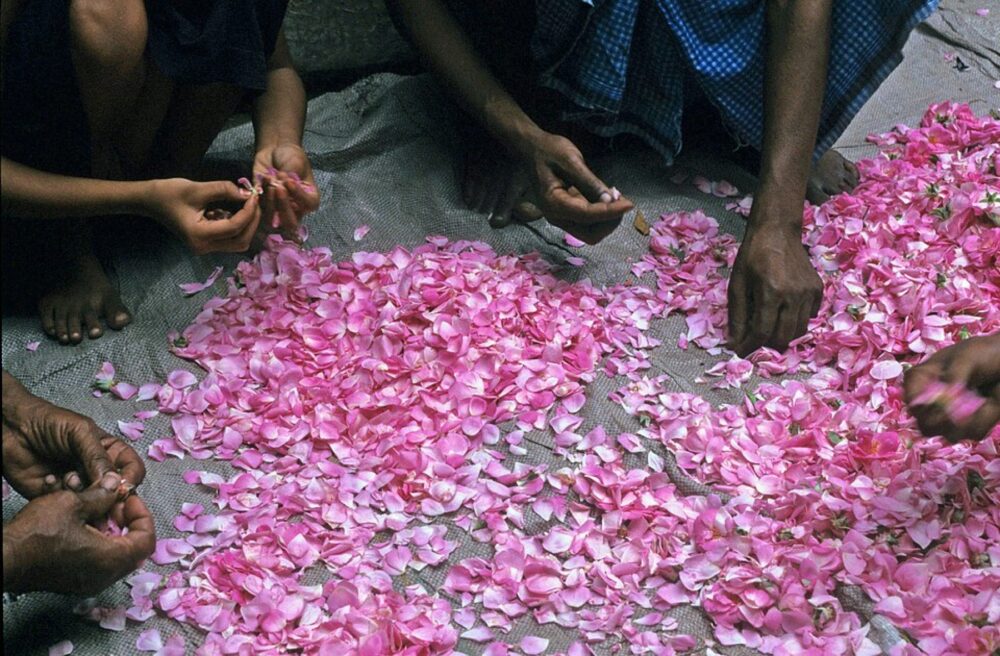
Quick answer: Real and artificial rose petals are not interchangeable products, and neither is automatically cheaper for every Canadian order. Choose real petals when natural material is essential and the event schedule can support perishable stock. Choose artificial petals when storage, repeat use, or a consistent counted quantity matters. Compare dated quotes using the same coverage requirement and total landed cost.
This guide was reviewed on September 29, 2026. Prices, pack sizes, availability, and delivery terms can change; the pages cited below are discovery evidence, not guarantees for a future order.
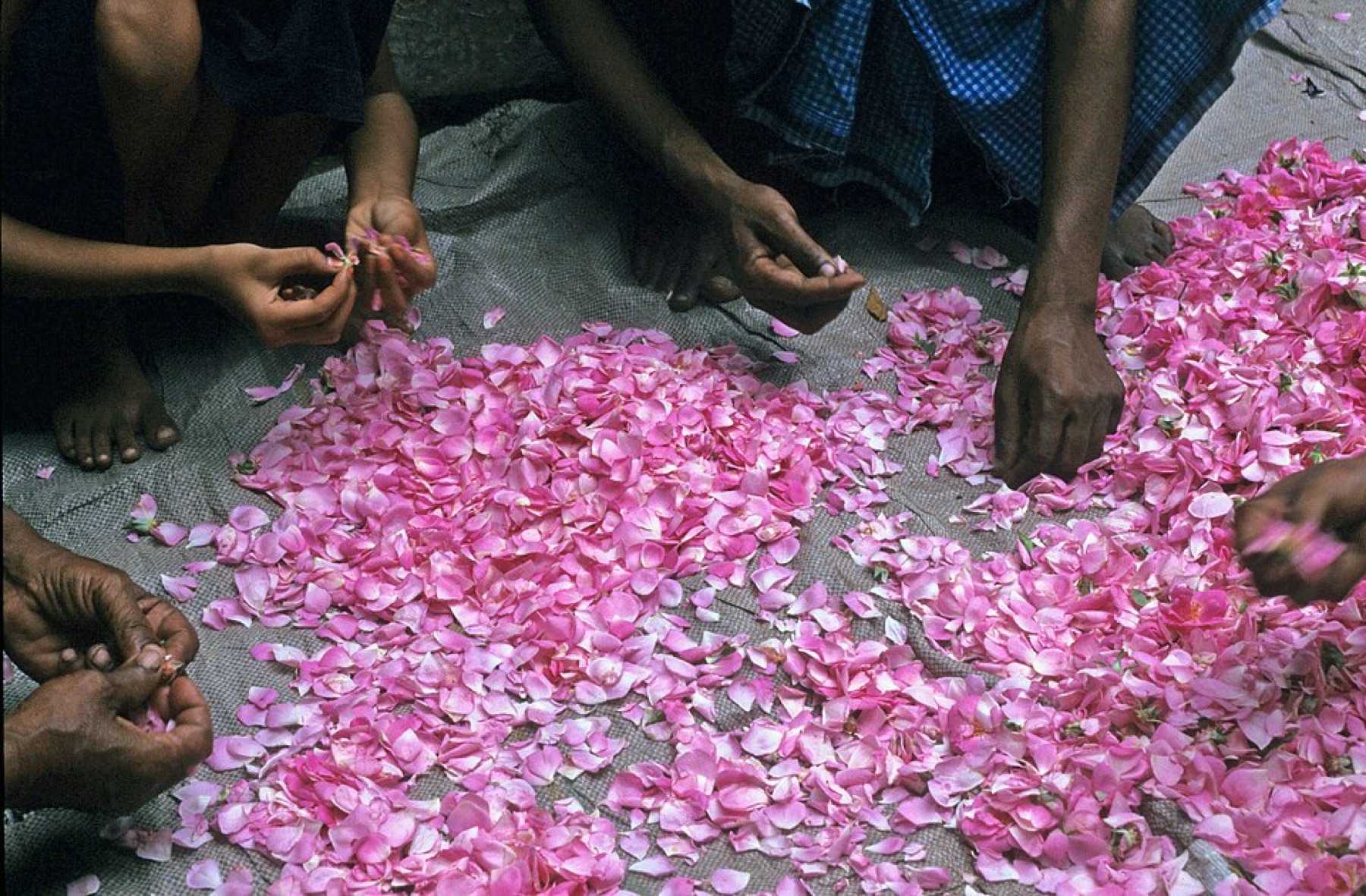
Decide what the petals must do before comparing prices
Start with the setting, not a product label. “Bulk rose petals” can mean natural petals for a ceremony, dried petals for craft or display use, fabric petals for floor coverage, or molded and soap-based decorative pieces. A price comparison is misleading unless the material, count or weight, size, color, and intended use are comparable.
Write a one-page buying specification that records:
- real, dried, fabric, plastic, or soap material;
- the area, number of tables, number of packages, or other measurable coverage task;
- acceptable petal size, color range, finish, and variation;
- required arrival date and inspection time before the event;
- whether the petals will touch food, skin, water, fabric, or a venue surface;
- packaging, labeling, resale, or storage requirements;
- the maximum landed cost for usable stock.
If color transfer, staining, fragrance, biodegradability, venue cleanup, or skin contact matters, obtain a sample and confirm the requirement with the venue or responsible specialist. A listing photo cannot settle those questions.
Compare real and artificial petals on the same decision fields
The important distinction is not simply “premium versus budget.” Each type creates a different operating task.
| Decision field | Real petals | Artificial petals | Evidence to collect |
|---|---|---|---|
| Timing | Perishable stock requires a defined delivery and use window | Can usually be received and inspected before the event | Written dispatch and delivery terms; storage instructions |
| Quantity | May be sold by bag, weight, flower count, or seller-defined package | Often sold by piece count or lot, but option counts must be checked | Exact selected variant, count or weight, and usable-size definition |
| Appearance | Natural variation is expected | Material, cut, finish, and color can vary by batch | Current sample under event lighting; written specification |
| Handling | Storage and preparation can affect usable stock | Static, creasing, shedding, or color transfer may matter depending on material | Sample inspection and venue-use check |
| Repeat use | Usually intended for one event or short-lived use | May be stored or reused if condition and cleaning method allow | Storage space, labor, cleaning, and expected loss |
| Cost basis | Quote the usable delivered amount for the event date | Quote the selected lot plus all delivery and import costs | Landed cost per usable unit or per defined coverage task |
Do not compare a florist’s prepared event package with the lowest price displayed for an unselected marketplace variant. Normalize every quote to the same requirement first.
Where Canadian buyers can collect comparable quotes
The following pages show that different channels advertise different types of stock. They should be used to build a shortlist, not to infer quality or final cost.
Fresh or dried petal sellers
Toronto Bulk Flowers advertises bulk rose-petal products with prices displayed in Canadian dollars. FiftyFlowers advertises fresh and dried petal collections in multiple packages. Before treating either page as a quote for Canada, confirm the exact material, package definition, availability for the event date, destination eligibility, delivery method, and refund or replacement terms in writing.
Domestic retail listings for artificial petals
Canadian retail pages can provide a local comparison point. For example, Walmart.ca advertised a 1,000-piece artificial silk-petal product when this article was researched. The page proves that the offer was advertised; verify the seller, selected color, count, dimensions, shipping origin, current price, and delivery terms before using it in a comparison.
Cross-border marketplace listings
DHgate was one of the cross-border marketplaces in the research set. On September 29, 2026, its search evidence included artificial-petal listings with seller-defined options ranging from hundreds to thousands of pieces. One example was a 100-10,000-piece artificial rose-petal listing. The displayed range covered multiple options; it was not a quote for every quantity, and the listing did not establish material quality, color accuracy, or suitability for a particular event.
Use DHgate only after opening the exact listing and selected option. The platform is a venue for offers from individual sellers, not a manufacturer of the petals and not evidence that every listing has the same specifications or terms.
Calculate comparable cost instead of using the headline price
Use a separate row for every candidate and preserve a screenshot or PDF of the selected option and checkout estimate. A practical formula is:
Landed cost per usable petal = (product + shipping + tax and duty if applicable + currency and payment costs + inspection + expected unusable stock) / usable petals received
For real petals, a more useful denominator may be “usable event package” or “square metre of approved coverage” because sellers may not quote an exact petal count. For artificial petals, confirm whether the selected option states pieces, flowers, bags, or another unit; similar listing titles do not guarantee comparable counts.
| Cost input | What to record | Why it changes the decision |
|---|---|---|
| Selected product | Material, color, dimensions, count or weight, and option name | Prevents comparing different variants under the same listing |
| Delivery | Origin, service, destination, promised range, and contingency time | Makes the event-date risk visible |
| Import and payment | Currency, conversion method, tax or duty treatment, and fees | Converts a foreign listing into a Canadian cost basis |
| Usable yield | Sample defects, color mismatch, damage, or natural loss observed | Replaces nominal quantity with usable quantity |
| Handling | Storage, preparation, cleanup, and labor | Captures costs the product price omits |
Order a sample when visual fit matters
For an event, the decision is often visual rather than purely financial. Place the sample under the same lighting and on the same surface or fabric planned for use. Photograph it beside a neutral color reference, count or weigh the received material, and record any transfer, shedding, creasing, odor, or variation relevant to the venue.
For resale, compare the sample with the written listing and packaging requirements. If the later order can substitute materials, colors, dimensions, or packaging without approval, the sample does not make the supply repeatable.
Use the wholesale-supplier vetting workflow for seller identity and written specification checks. When comparing marketplace structures more broadly, the DHgate, AliExpress, Alibaba, and Temu comparison is contextual only; the exact seller and listing still control the order evidence.
Choose the route that passes the event or resale gate
Choose real petals when the buyer requires natural material and has a verified supplier, arrival plan, storage method, and acceptable usable-yield risk. Choose artificial petals when a confirmed sample meets the appearance and handling requirements and earlier delivery, storage, or repeat use has practical value.
Do not choose either type because a page labels it “wholesale” or because one displayed number is lower. The defensible choice is the offer that meets the written use requirement at the lowest verified landed cost, with enough time to inspect and replace unsuitable stock.