
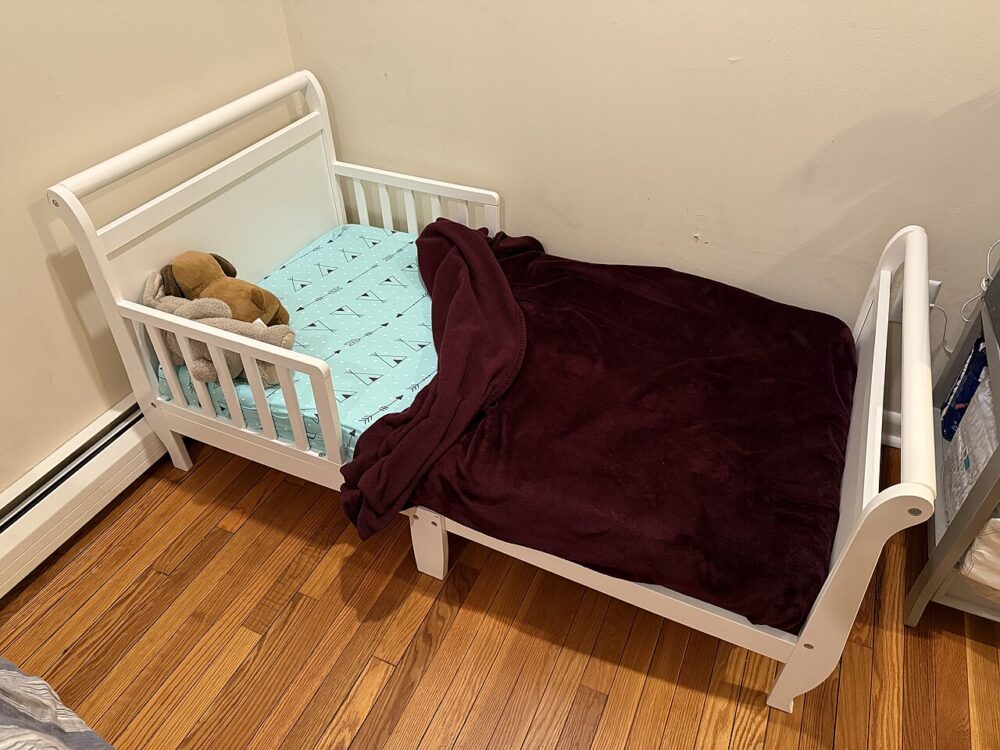
You cannot assume a baby bed rail is safe just because it is sold on a familiar marketplace like Target, Amazon, or DHgate. For an infant fall‑prevention product, platform branding, ratings, and seller claims are not safety tests. A cross-border purchase can make product documentation, recall follow-up, and local recourse harder, so Australian buyers and small ecommerce businesses need independently verifiable evidence before relying on any rail.
The short version: treat DHgate as a place where listings can be researched, not as a safety filter. Use Australian safety guidance to decide whether a rail is appropriate at all, then verify product documentation through an accredited laboratory or certification body where relevant. If that evidence is missing or cannot be authenticated, do not use the rail for infant fall prevention or offer it for sale.
Why bed rail safety is a higher‑stakes trust issue on cross‑border platforms
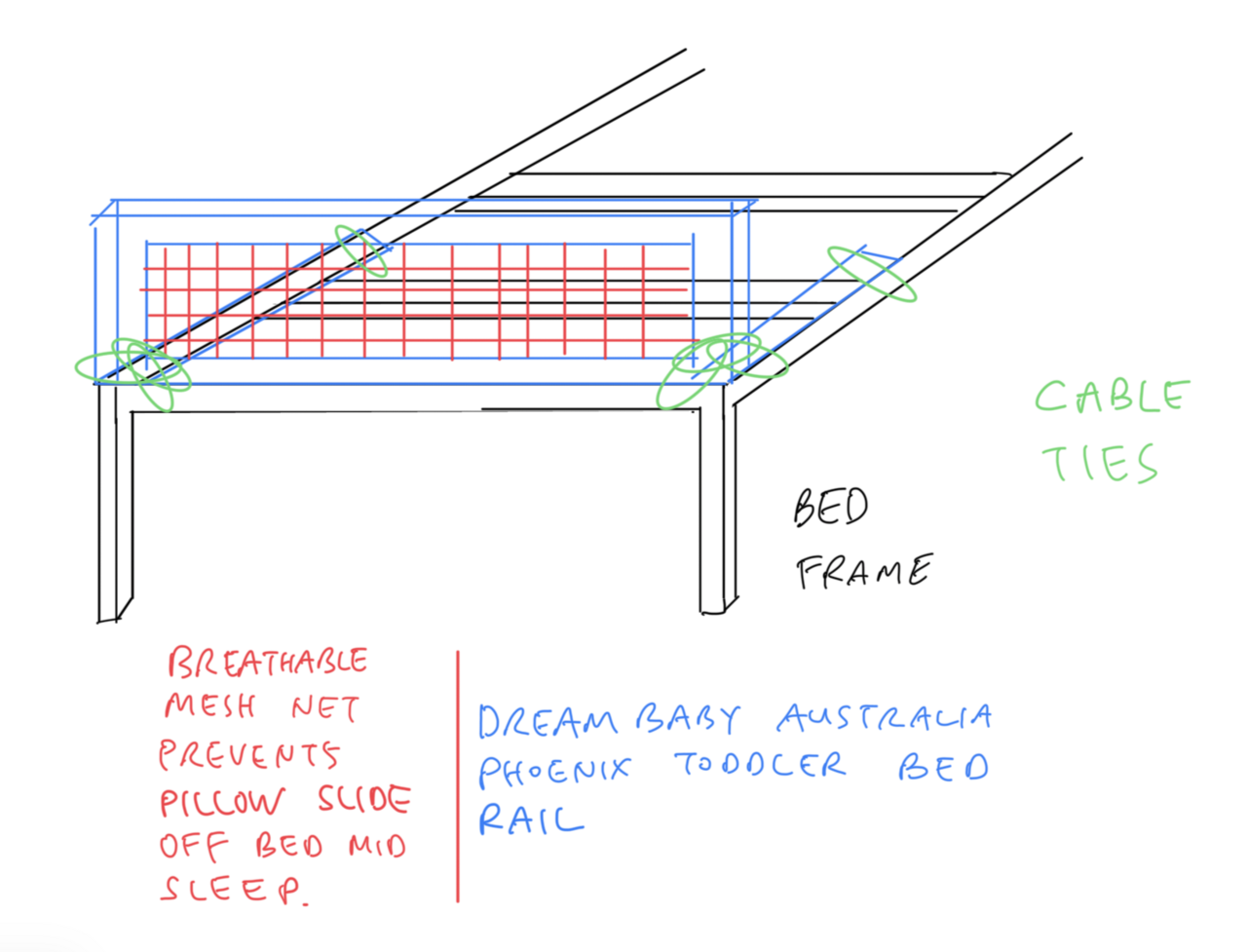
For Australian families, bed rails sit in the same risk bucket as baby gates and window locks: a failure means a real fall or entrapment, not just an inconvenience. Consumer guidance in Australia stresses that rails must attach securely to the bed and avoid gaps where a child’s head or limbs could become trapped; design and installation are central to safety, not optional extras. That’s already a big ask for any product.
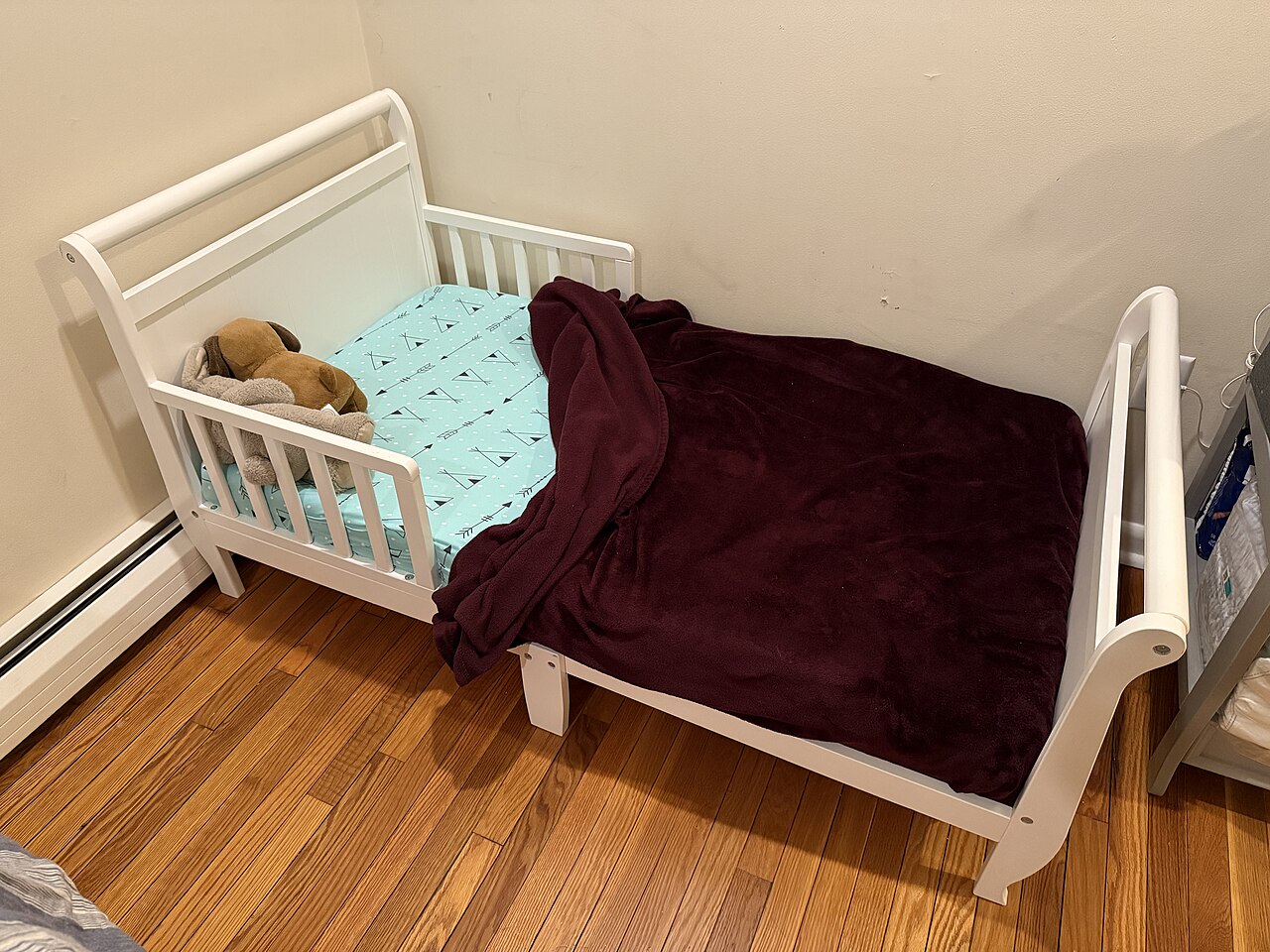
Buying locally from a known retailer does not eliminate risk, although local recall notices and support may be easier to locate. With any marketplace listing, including DHgate, buyers must distinguish seller-supplied claims from independently verifiable test evidence. If a rail has weak attachment, large gaps, inappropriate padding, or unclear age and bed compatibility, no level of on-platform “stars” can establish that it is safe.
Universal safety checks before you trust any baby bed rail
Before you think about platforms, you need a baseline on what a safe-ish rail should look like. Australian guidance highlights several practical checks you can apply even from your laptop:
- Attachment and locking mechanisms: Look for clear photos or diagrams showing how the rail clamps or straps to the bed frame. You want multiple, solid contact points—not just elastic loops. If you can’t see the mechanism or the description is vague, treat that as a red flag.
- Structural integrity: The frame should look rigid enough not to collapse if an older toddler leans or kicks against it. Thin tubing, flimsy joints, and reliance only on fabric tension are warning signs.
- Entrapment and rollover risk: Ensure the rail height and mesh or bars leave no large gap between mattress and rail where a child could slip through or get wedged. For cot‑style cushions (like bumper rails), a very soft, low rail does less to stop rolling and may introduce suffocation risks if misused.
- Materials and finishes: Check for mentions of non‑toxic materials, smooth edges, and easily cleaned fabrics. You’re not looking for marketing buzzwords so much as specific material names and care instructions.
- Fit to your actual bed: Match the rail’s stated length and height to the bed your child sleeps in. Mismatched dimensions are a common way that “almost safe” products become dangerous.
For serious fall‑prevention products, consider cross‑checking with local guidance such as Choice’s Australian bed rail buying advice. Use their emphasis on solid anchoring and avoiding gaps as a sanity check against any listing you’re evaluating, whether that’s in a local store or on DHgate.
DHgate listing snapshot: how much proof you actually see (2026-09-29)
| Product (DHgate link) | Category | Price range (USD) | Rating | Review count |
|---|---|---|---|---|
| Baby Crib Safety Rail Adjustable Bed Guardrail | Bed Rails | 212.27-222.32 | — | 0 |
| Bed Rails 10pcs Cotton Bedside Rail Guard | Bed Rails | 110.89-116.14 | 5.0 | 5 |
| Baby Bed Fence Home Kids Playpen Safety Gate | Baby Playpens | 113.47-301.21 | — | 0 |
| Good Quality Baby Safety Anti‑Tip Straps | Bed Rails (TV/furniture straps) | 51.5-53.94 | — | 0 |
| Children’s toilet seat with ladder | Bath & toilet | 11.68-17.12 | 5.0 | 1 |
Two patterns matter for trust:
- Zero‑review safety listings: The adjustable crib safety rail and several other baby safety products show no rating and no reviews. That means you have almost no social proof for how the product behaves in real homes.
- Modest proof on adjacent products: Some child‑related items, like the cotton bedside rail guards and the toilet ladder seat, have high ratings but only a handful of reviews. That’s better than zero, but still thin compared with mainstream retailers where popular baby rails can have dozens or hundreds of reviews.
For infant fall prevention, thin listing evidence is a stop signal. A physical sample can support fit and build inspection, but it cannot replace applicable legal review or testing by an appropriately accredited independent laboratory before use with children or resale in Australia.
How DHgate’s seller and listing signals compare to mainstream options
DHgate’s own editorial guides for trusted sellers tell you to look beyond the product title and price. They highlight signals like:
- Seller ratings and feedback volume: Higher ratings with substantial sales history are suggested as stronger indicators of credibility.
- Detailed product page quality: Clear, high‑resolution photos; a full materials list; precise measurements; and, ideally, video showing how the product works.
- Recent customer reviews with photos or video: Real‑world images and commentary can reveal how sturdy a rail feels and whether installation was secure.
On the baby rail listings in the snapshot above, those signals are often weak or missing. Several safety‑critical items sit at 0 reviews, and many sellers show no visible rating or years‑active data in the summary we see. That doesn’t mean the products are unsafe by default—but it does mean you have very little evidence to lean on.
By contrast, large retailers and curated marketplaces often surface more structured information: clearer branding, sometimes explicit references to standards, and larger review volumes. They also tend to have locally framed instructions and warnings that align better with Australian norms.
If you want a more general process for judging DHgate sellers, you can build on guidance like “check seller ratings, transaction counts, and listing quality” and adapt it to safety‑critical categories. DHgateWiki’s broader trust articles—for example, how to assess DHgate listing and seller risk and find trusted sellers on DHgate—can give you a platform‑wide view that you then apply specifically to baby rails.
A DHgate‑specific trust checklist for baby bed rails
For this category, you need a stricter filter than usual. Here’s a practical DHgate‑specific checklist for Australian buyers and small resellers:
- Start with design, not price. Ignore discounts until you’re satisfied the rail’s attachment method, height, and gap profile would pass a basic read of Australian advice like the Choice guide.
- Demand rich listing content. Favor rails with multiple close‑up photos of the attachment points, clear dimensions, and material details. A single wide shot and a generic description is not enough.
- Treat reviews only as defect clues. A zero-review listing provides no user evidence, while positive reviews still cannot prove safety or compliance. Do not use customer ratings as the basis for infant use or resale.
- Scrutinize the seller’s broader catalogue. Sellers who mainly trade in random household items with no focus on child safety give you less confidence than those with a consistent nursery or baby‑proofing range.
- Verify compliance independently before purchase or resale. Ask for the exact standard, test report number, issuing laboratory, model identifier, and production-lot coverage. Confirm those details with the accredited laboratory or certification body and obtain Australian product-safety advice where needed. Internal fit checks may identify obvious defects, but they are not a substitute for compliance testing.
- Plan for compliance and liability locally. You’re the one facing Australian consumers and, potentially, local safety expectations. DHgate gives you access to suppliers; it doesn’t solve regulatory questions for you.
If a listing fails multiple items on this checklist, it’s usually safer to source rails from locally proven channels and reserve DHgate for less critical accessories.
Scenario: an Australian reseller testing DHgate bed rails
Imagine you run a small online baby store in Australia and see the Baby Crib Safety Rail Adjustable Bed Guardrail on DHgate at 212-222 USD, with no reviews. The cotton bedside rail set has a handful of positive reviews but is more of a cushion bumper than a structural guardrail.
A cautious approach might look like this:
- You shortlist both products but classify them as “high‑risk” due to limited proof.
- You request the exact model specification, intended age and bed types, warnings, and complete test documentation before ordering.
- You verify the report number, tested model, standard, issuing laboratory, and production-lot coverage independently; if the evidence cannot be authenticated, you stop.
- Only after legal and compliance requirements are clear might a non-child fit inspection be used to identify obvious dimensional or assembly problems; it does not establish safety.
Even authenticated documentation does not remove the need to decide whether you can lawfully carry the product, label it correctly, trace affected lots, and support Australian customers if a safety issue arises. Missing, mismatched, or unverifiable evidence means the listing should not proceed.
For wholesale questions beyond this single product type, DHgateWiki’s guide to finding wholesale suppliers on DHgate can help you structure your sourcing process—but for infant fall‑prevention gear, you should keep safety and compliance as your core filter.