
Most US buyers find the lowest landed cost for bulk safety glasses from China-based suppliers on B2B marketplaces, but that only pays off if the eyewear actually meets OSHA/ANSI expectations and arrives on time. For small teams or compliance‑sensitive work, a US wholesaler often makes more sense. The real decision is balancing unit price, standards documentation, and logistics against how many pairs you actually need.
Bulk safety glasses ride on the same supply chain as sunglasses and other eyewear: large factories in China and elsewhere produce frames and lenses, then sell through distributors, marketplaces, and importers. Buying in bulk generally drives the per‑pair cost down, supporting more competitive resale pricing and cleaner inventory control — but it also pushes you deeper into the compliance and documentation side, because you’re responsible for what you put on workers’ faces.
How Bulk Safety Glasses Supply Works for US Buyers
Most bulk safety glasses sold into the US originate from high‑volume eyewear manufacturers in Asia, especially China. These factories often produce both fashion sunglasses and safety styles: clear or tinted impact‑resistant lenses, wraparound frames, and sealed goggles.
Platforms like Alibaba’s bulk safety glasses section showcase multiple China‑based suppliers that highlight:
- Customization options (logos, colors, lens tints)
- Tags related to standards and certifications (such as ISO9001)
- Capabilities like anti‑fog coatings or UV protection
That’s a useful snapshot of what the upstream market looks like: most production is standardized, but you can often tweak design and branding once your quantities are large enough.
For safety glasses in particular, that means your choices tend to be:
- Factory‑adjacent, cross‑border sourcing via B2B marketplaces
- Domestic wholesalers who aggregate and re‑sell compliant lines
- Retail platforms selling “bulk” multi‑packs (handy for small teams but less flexible for resellers)
Picking Bulk Safety Glasses That Actually Suit Your Work
Before you even evaluate suppliers, you need the right type of safety glasses. In the US, workplace eye protection is shaped by OSHA rules and voluntary consensus standards such as ANSI/ISEA Z87.1. This article isn’t legal advice, but a few practical alignment steps go a long way:
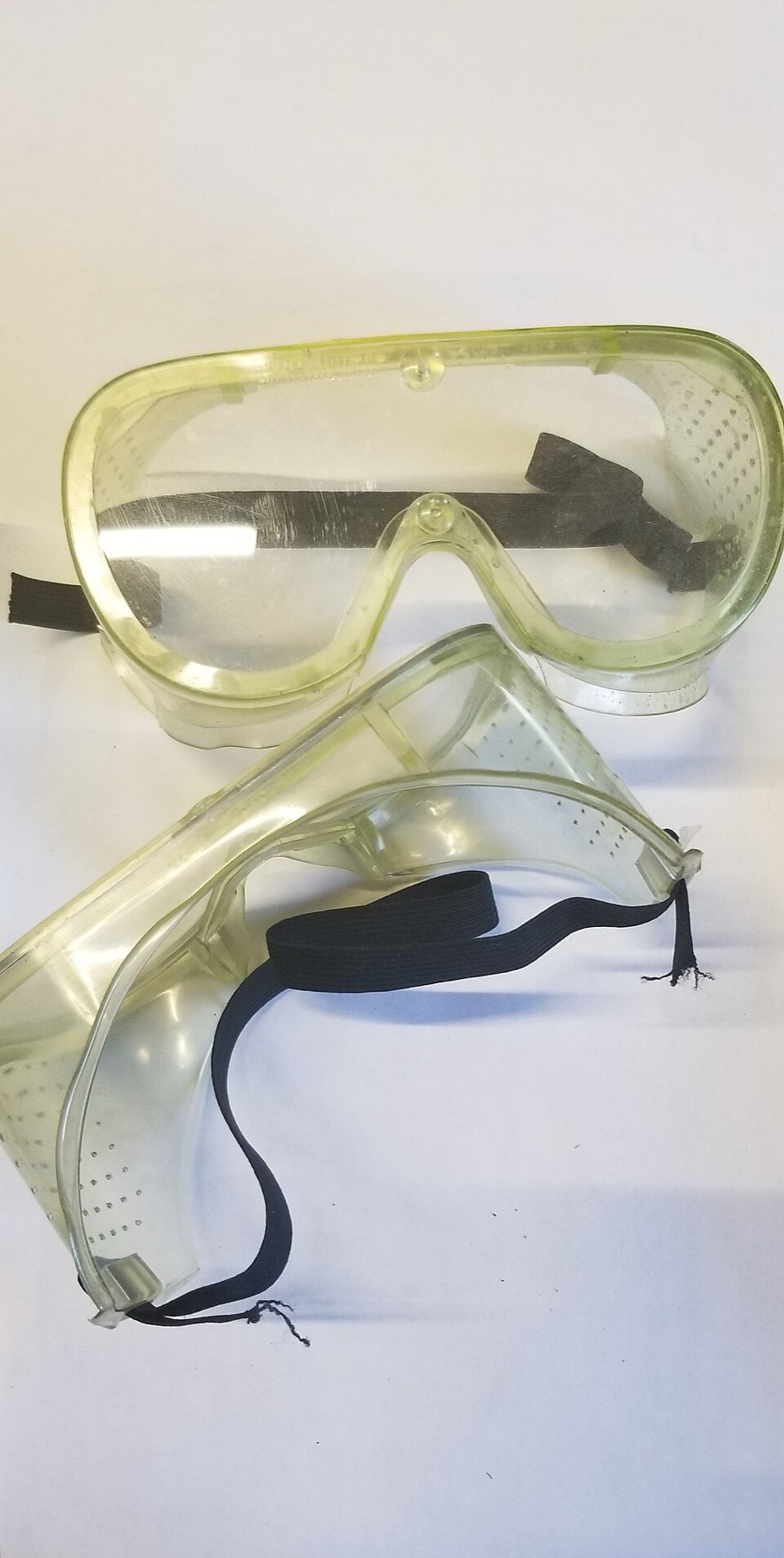
- Match impact level to the job: basic clear glasses for light shop work vs sealed goggles for grinding, chemical splashes, or lab use.
- Decide on side protection (wraparound or side shields), anti‑fog coatings, and tinted vs clear lenses based on where and how they’ll be worn.
- Check that product descriptions and documentation reference relevant standards (for example, ANSI or EN norms) and that those claims are backed with certificates or test reports you can actually see.
If you’re supplying construction sites or labs, involve your safety manager or consultant early. They’ll usually care less about branding and more about specific test results and markings on the frames and lenses.
Choosing and Vetting Bulk Safety Glasses Suppliers
Once you know the spec you need, the supplier decision is where you protect yourself from poor quality or non‑compliant stock.
On Alibaba, supplier profiles and verification badges are used to signal basic authenticity and capabilities. Those profiles often show:
- Years in business and main product categories
- Transaction history and major export markets
- Badges suggesting on‑site checks or third‑party verification
Those signals don’t guarantee safety or compliance, but they help you narrow down which eyewear manufacturers are serious enough to consider.
Here’s how to make your vetting more specific for bulk safety glasses:
- Ask directly for documentation. Request recent test reports, certificates, or declarations of conformity for the exact model you’re buying, not just for “similar” products.
- Check materials and lens type. Clarify what resin or plastic is used for lenses and frames, whether lenses are impact‑resistant, and how coatings (anti‑scratch, anti‑fog) are applied.
- Review transaction history for eyewear, not just general exports. A factory that mainly makes toys but lists a handful of goggles is a different risk profile than a dedicated safety eyewear producer.
- Use samples before you commit. For any non‑trivial order, get sample pairs and actually subject them to job‑site conditions. Fogging, scratching, and comfort issues show up quickly.
If you go with a US wholesaler such as CTS Wholesale Sunglasses, the vetting process shifts slightly. You’re assessing:
- Whether they explicitly stock safety‑rated glasses and goggles alongside fashion lines
- How clearly they label standards, impact ratings, and intended use
- Their history supplying work sites, schools, or labs, not just convenience stores
In either case, keep written confirmation of specs and standards in your purchase records, in case you need to justify choices to internal safety staff or regulators later.
Pricing, MOQs, and Best Online Channels for Bulk Orders
Eyewear wholesale economics are straightforward: buying in bulk brings the unit cost down and helps you manage inventory better. A DHgate editorial blog on bulk sunglasses notes that larger quantities typically unlock discounts that let you resell at competitive prices while still keeping margin.
For safety glasses, the same logic applies — but channel choice changes how those numbers look and how much risk you take on.
Quick comparison of common online sourcing routes
| Channel type | Typical use case (US buyers) | Pricing & MOQ feel (editorial view) | Pros | Trade‑offs |
|---|---|---|---|---|
| Cross‑border B2B marketplaces | 200-10,000+ pairs for teams or resale | Lower unit cost; higher MOQs; freight adds variance | Deep styles, customization, factory‑level pricing | Compliance checks, longer lead times, import handling |
| US‑based wholesalers (e.g., CTS) | 50-2,000 pairs for local projects or retail | Mid‑range unit cost; clearer case‑pack structures | Faster delivery, clearer communication, easier returns | Less customization, narrower selection |
| Retail “bulk” multipacks | 12-100 pairs for small crews or short‑term events | Higher per‑pair cost, but simple and fast | No import paperwork, easy buying and replenishment | Limited styles, usually no customization |
Where DHgate can fit — and where you still need to be careful
On 2026-09-28, DHgate listings showed multiple bulk protective eyewear products, such as:
- Safety Protective Goggles Anti‑UV Waterproof Tactical Sport Eyewear Eye Protection Glasses Riding Skiing (Sunglasses category, with a USD price range visible at research time)
- Durable Stereo Safety Goggles for Observing Short‑Term Light Displays (Safety Goggles category, showing a low per‑unit USD price range)
- Outdoor Skiing Safety Goggles Motorcycle Riding Goggles Mowing Work Eye Protective Safety Glasses with Clear lens 250916 (Ski Goggles category, with a mid‑range USD price band)
- Laser Safety Glasses Protection Goggle Eye Protective lentes de seguridad industriales UV IPI IR IPL FPV 1064 532nm (Sunglasses Frames category)
A Worked Example: Small Construction Firm Buying 500 Pairs
Imagine a regional construction firm that wants 500 pairs of clear safety glasses for crews and visitors.
- Cross‑border marketplace route: They identify a China‑based supplier on a B2B marketplace whose unit price is significantly lower than US retail multi‑packs. The MOQ matches their 500‑pair need, customization (logo on temples) is available, but they must wait through manufacturing plus freight and verify ANSI‑aligned impact claims via test reports.
- US wholesaler route: They find a US bulk eyewear wholesaler that sells case‑packed clear safety glasses. Unit prices are higher than the cross‑border offer but lower than retail multi‑packs. Delivery timing is measured in days instead of weeks, and they can discuss compliance in detail with a domestic rep.
If their projects are under tight deadlines and they don’t have internal compliance expertise, the US wholesaler looks safer and simpler, even at a higher per‑pair cost. If they’re planning months ahead and want branding plus the lowest possible unit price, a verified cross‑border supplier can be worth the extra work.
Whichever route you choose, treat bulk safety glasses as part of your safety system, not just cheap consumables. Take the time to match standards, vet suppliers, and document your decisions — that’s what keeps low‑cost sourcing from becoming a high‑risk shortcut.