
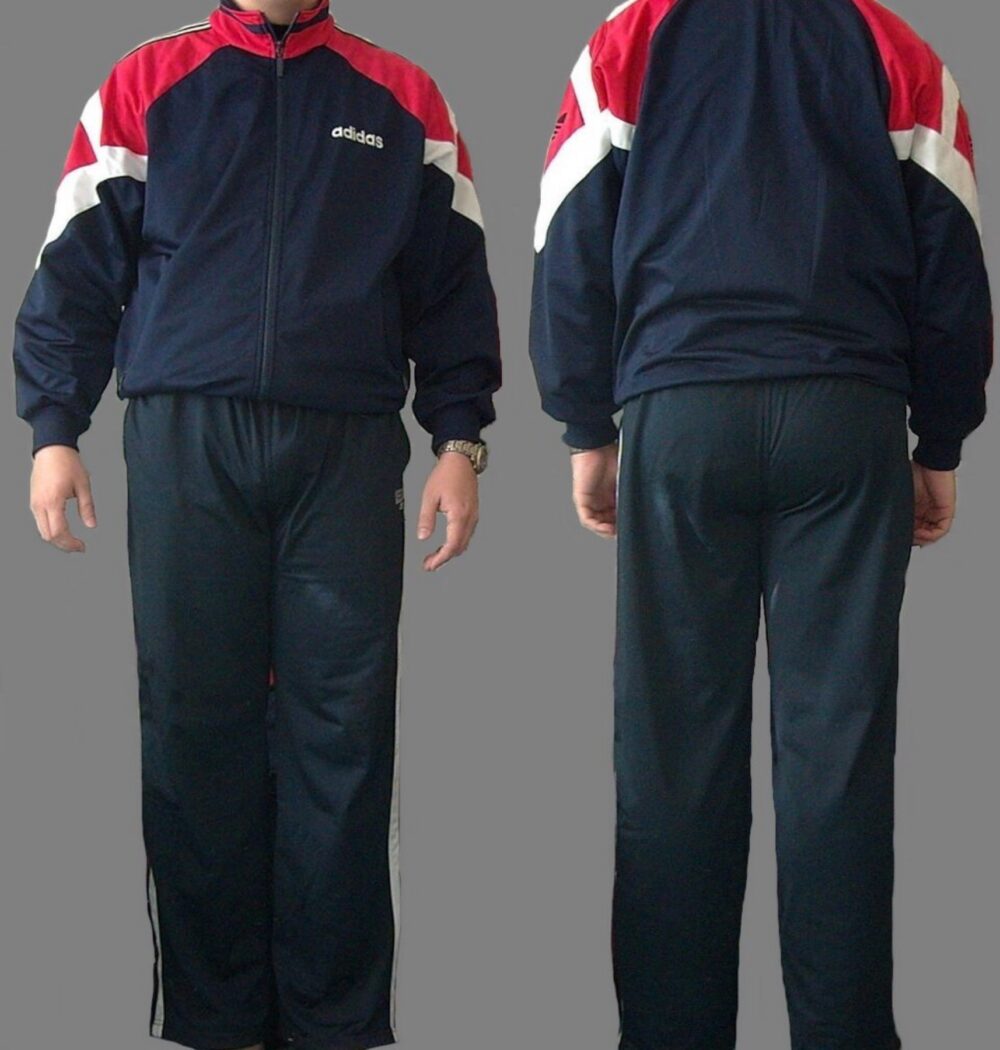
Amazon is a strong place to buy sweat and jogging suits if you want lots of choice and mid‑range prices, but quality is uneven and not every listing is great value. Most men’s sets fall in familiar price bands — roughly $20–$50 for basic and off‑brand suits, then around $40–$80 for better fabrics or recognizable labels — which overlaps with what you’d pay at big sports brands and discount sites. Where Amazon shines is fast, one‑off retail purchases with tons of colors and fits; where it’s weaker is consistent fabric quality and true wholesale pricing for small ecommerce businesses.
What really matters when you compare sweat and jogging suits online
Before you decide whether Amazon is “good” or “overpriced,” it helps to lock in what actually makes a jogging or sweat suit worth the money.
Fabric: Most jogging suits are some mix of:
- Cotton: Soft and breathable, good for casual wear and light activity. It absorbs sweat but can stretch out and lose shape over time.
- Polyester / nylon: Lightweight, durable, and quick‑drying. Better for repeated workouts, but they tend not to absorb sweat like cotton.
- Spandex/elastane: Added for stretch so the suit moves with you. Great for mobility, but a high percentage on its own isn’t usually very durable.
For everyday use, cotton‑rich fleece (like many hoodies and joggers) is common. For running or gym, you’ll often see polyester blends marketed as “quick‑dry” or “performance.”
Construction: Regardless of fabric, look closely (or read reviews) for:
- Reinforced seams that don’t split after a few washes
- Snug but comfortable elastic at cuffs and waistband so pants don’t ride up or sag while you move
- Collars and zippers that lie flat and don’t irritate skin
Fit: A good jogging suit should move with you without being skin‑tight or so baggy that it catches wind or rides up. Check whether the listing shows:
- A size chart with shoulder, chest, waist, and inseam measurements
- Notes on whether it runs large, true, or small (usually buried in reviews)
Style details: Decide up front if you care about:
- Hood vs stand‑up collar
- Full‑zip jacket vs pullover sweatshirt
- Zip pockets (safer for phone/keys) vs open pockets
- Reflective elements for night running
Price bands: For men’s suits, a realistic view:
- Value/affordable: Roughly $20–$50 per set — usually basic polyester or cotton blends, often from lesser‑known brands.
- Mid‑range branded: Roughly $50–$100 — Nike, Adidas, Under Armour, Champion and similar labels with better fabric and more reliable construction.
Most Amazon sweat and jogging suits slot into these same bands. The trick is figuring out whether a $45 Amazon set is closer to value or mid‑range in real quality.
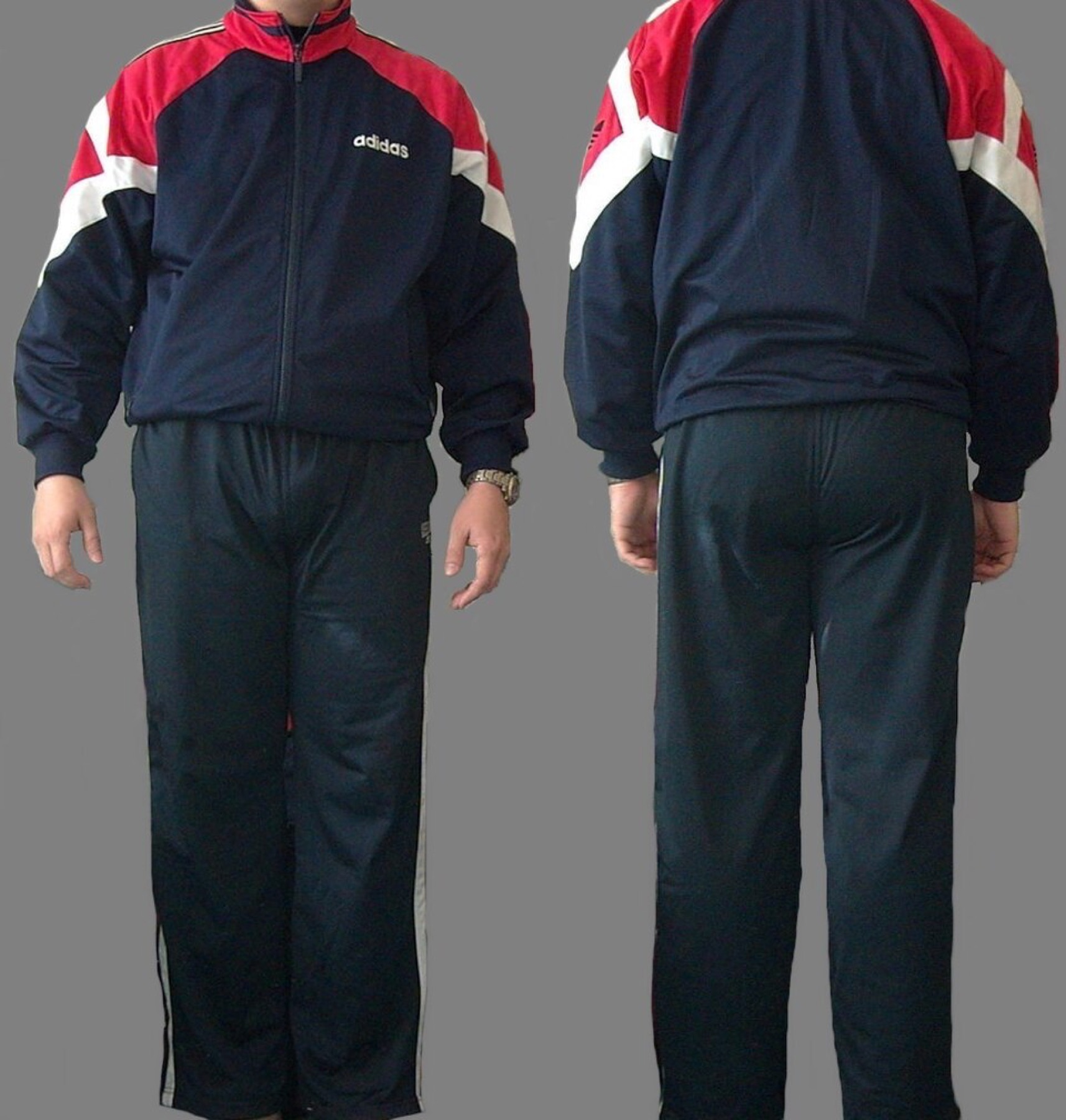
How Amazon’s sweat and jogging suits lineup looks on those criteria
Search Amazon for “men’s sweatpants with matching tops” or “men’s tracksuits” and you’ll see pages of two‑piece sets — hoodies with joggers, track jackets with pants, relaxed warm‑up suits and more.Mens Sweatpants With Matching Tops is a typical example of that breadth.
Materials you’ll actually see on Amazon:
- Many budget sets use 100% polyester, often marketed as “soft” and “breathable” in product descriptions like this jogging suit on Amazon.ae.
- Cotton‑blend fleece sets are common in the men’s sweatsuits category, positioned as cozy loungewear or casual athletic wear.
You rarely get lab‑grade fabric detail, so your best cues are the fiber content box (often just above the size selector) and how buyers describe the feel and weight.
Pricing patterns on Amazon:
If you filter men’s sweatsuits to $40–$50, you’ll see a big cluster of mid‑priced sets — including sports‑inspired hoodies and joggers, team‑style prints, and generic athletic brands.This filtered search shows how common that band is.
That means a typical Amazon buyer looking for a decent jogging suit is choosing between:
- Around $25–$35: Often unknown brands, simple styles, polyester-heavy, big color range.
- Around $40–$60: Either better build from small labels or entry‑level sets from recognizable sports brands.
Reading quality signals on Amazon listings
Because Amazon’s selection is so mixed, you need to read listings a little differently:
- Photos: Look for close‑ups of seams, cuffs, and zipper. Blurry or only long‑distance model shots can hide cheap construction.
- Fabric weight: Reviews that mention “thin,” “see‑through,” or “heavy fleece” are helpful, especially if you want something for winter jogging vs indoor gym.
- Durability comments: Sort reviews by “most recent” and skim for notes on pilling, shrinking, fading, or seams splitting after a few washes.
- Fit notes: Many buyers mention height/weight and whether they sized up or down. This matters more for Amazon than brand sites because sizing can vary widely between sellers.
Amazon is strong on variety and price filtering. It’s weaker on consistency — two $45 suits can feel totally different in person.
Amazon vs other buying channels: which suits which buyer
You’re not choosing Amazon in a vacuum. For sweat and jogging suits, buyers tend to bounce between three main retail paths plus wholesale channels.
Here’s a simple comparison on price and predictability:
| Channel type | Typical price band (men’s set) | Quality predictability | Best for |
|---|---|---|---|
| Amazon marketplace | ~$20–$60 | Mixed; depends on seller | Fast retail buys, broad selection |
| Big sports brand sites | ~$50–$100+ | High, but pay for the label | Performance wear, brand‑loyal fans |
| Discount retailers (online) | ~$30–$70 | Mid; curated but varied | Deals on last‑season branded suits |
| Wholesale marketplaces | Often <$30 per set (example) | Varies by supplier | Small resellers buying in bulk |
Brand sites (Nike, Adidas, Under Armour, Puma)
Guides to jogging suits often highlight these brand sites as top options for quality and performance. They usually use solid materials — cotton fleece, technical polyester, sometimes recycled fabrics — and consistent construction. The trade‑off is price: many full tracksuits land in the $50–$100+ range and don’t dip much outside sale periods.
Choose a brand site over Amazon if:
- You care about specific tech features (official Dri‑FIT, Climalite, etc.).
- You want proven fit and durability with fewer surprises.
- You don’t mind paying more for the logo and detailed sizing support.
Discount retailers (Amazon, Zappos, Overstock)
Editorial shopping FAQs often group Amazon with discount players like Zappos and Overstock. These channels hunt for deals on branded and off‑brand suits. On Amazon, the mix is more chaotic: you’ll see everything from team fan hoodies to generic athleisure sets all under one filter.
A discount retailer is a good fit if:
- You want a cheaper Nike/Adidas/Champion suit from last season.
- You’re willing to trade perfect size availability or the newest design for a lower price.
Wholesale marketplaces (for small ecommerce businesses)
If you’re a small seller or want multiple units, Amazon usually isn’t true wholesale — you’re mostly still paying retail.
Wholesale marketplaces such as DHgate list jogging and tracksuit sets aimed at bulk buyers. For example, a men’s sweatsuit and jogger set currently appears on DHgate in the roughly $21–$24 per‑set range for individual units from one supplier.Men’s Tracksuits Men Sweatsuits Sports Fitness was observed at that price band on 2026-09-28. Prices and availability can change, and you’d need to vet each supplier, check current terms, and confirm the minimum order quantities that apply to you.
Wholesale marketplaces are worth exploring if:
- You’re buying multiple suits to resell and need margin below typical Amazon retail price bands.
- You’re comfortable comparing different suppliers’ fabric descriptions, price ranges, and reviews yourself.
For more on how DHgate compares with other large marketplaces generally, you can read our broader look at DHgate vs AliExpress, Alibaba and Temu.
Quick scenarios to decide your channel
- Casual wearer, one suit, tight budget: Amazon or other discount sites make sense. Aim for a cotton‑blend or polyester set in the $30–$50 band, and lean heavily on recent reviews for fit and durability.
- Runner or gym‑goer who trains often: Consider paying more on a brand site for a technical fabric tracksuit in the $60–$100 range; you’ll likely get better long‑term performance than most mid‑priced Amazon generics.
- Small ecommerce seller testing a jogger line: Use Amazon to see which styles and colors visibly sell (ratings, number of reviews), then explore wholesale channels, including DHgate, to find similar materials and silhouettes at lower per‑unit prices — but budget time to vet suppliers and request samples where possible.
If you treat Amazon as a big comparison catalog rather than the automatic default, it’s easier to decide whether its sweat and jogging suits offer real value for how you plan to wear or resell them.