
Online garden marketplaces can be reliable for gardening supplies, but only if you match the product to the right channel and vet each seller. For US buyers, live plants and seeds carry more risk and regulation than tools or pots, so they’re usually safer sourced from local nurseries or farmers markets. Online platforms work well for non-living gear and some seeds, while physical markets excel at local, climate-suited, legally compliant plants you can inspect in person.
For most gardeners and small resellers, the smart move isn’t choosing online or farmers markets; it’s combining them. Use online marketplaces for variety, price, and hard-to-find gear, and lean on farmers markets and nurseries for live plants, regionally adapted varieties, and direct grower relationships.
How Online Garden Marketplaces and Farmers Markets Fit Together
“Garden marketplaces” covers a few different things:
- Large general marketplaces like Amazon, eBay, and Etsy where independent sellers list tools, seeds, and decor. An editorial review on gardening supplies points to these sites as popular sources for cheap tools and accessories, with the caveat that you should actually read customer reviews to sort good listings from junk.
- Specialist garden or landscape platforms, such as digital dirt marketplaces like SoilConnect. These focus on one category (soil, aggregate) and connect buyers directly to suppliers.
- Brand-run online shops from nurseries or bulb companies.
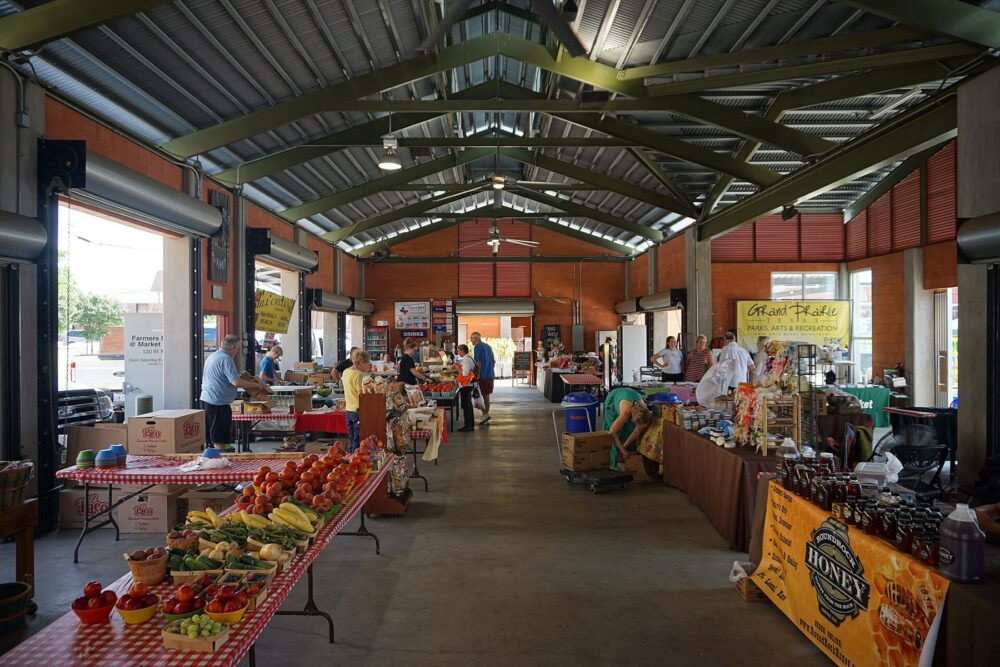
Farmers markets are physical, usually weekly, markets where local farmers and growers sell produce, plants, seeds, and value-added goods. They’re part retail, part community hub, and often have informal but strong quality control: if a vendor’s plants consistently fail, local word-of-mouth travels fast.
Anecdotal discussions among gardeners on Q&A sites like Quora and forums suggest many people do successfully buy plants online when they stick to reputable growers. But there are also complaint threads about specific mail-order nurseries, which underline that reliability depends heavily on the individual seller, not the channel.
For US buyers, you can think of reliability by product type:
- Tools, pots, irrigation gear: generally low risk from online marketplaces as long as listings are clear and reviews are decent.
- Soil and bulk materials: specialist platforms and local suppliers can be efficient and cost-effective, especially when you need larger volumes.
- Live plants and seeds: higher risk online, especially from overseas sellers, because you can’t inspect the plant and you may run into import and biosecurity rules.
Quick rule of thumb: buy gear where choice and price matter, and buy live plants and seeds where local adaptation and compliance matter.
Platform Types for Garden Supplies: Online, Local, and Hybrid Models
Several platform models now compete for your garden budget. They differ in how they match buyers and sellers, and that affects quality, price, and support.
General retail marketplaces
Examples: Amazon, eBay, Etsy, Facebook Marketplace.
- How they work: Many independent sellers list products. The marketplace provides search, payments, and a review system.
- What this means for you: Huge variety in gardening tools, pots, decor and some seeds. Quality can vary widely; user reviews and seller ratings are often your main filters.
ShipScience’s overview of e-commerce platforms for gardening tools and plants shows how mainstream these channels have become. Large marketplaces now feature gardening categories alongside every other household item.
Specialist garden and material marketplaces
Example: SoilConnect for soil and dirt.
- How they work: Focused on one segment, such as soil or aggregates. SoilConnect describes its service as a digital marketplace that simplifies soil sourcing, connecting buyers and suppliers and helping contractors cut costs and logistics friction.
- What this means for you: If you’re a landscaper or market grower needing truckloads of soil or compost, a specialized platform can give clearer pricing and supplier info than a general marketplace.
Local nurseries and garden centers
Local nurseries have their own retail operations, sometimes with online ordering. They typically:
- Curate plants that fit your climate zone.
- Offer staff advice on varieties, pests, and care.
- Charge a bit more than big-box stores but often deliver better plant health and support.
For small resellers, nurseries can sometimes offer wholesale or discounted multi-tray pricing in exchange for regular orders.
Farmers markets
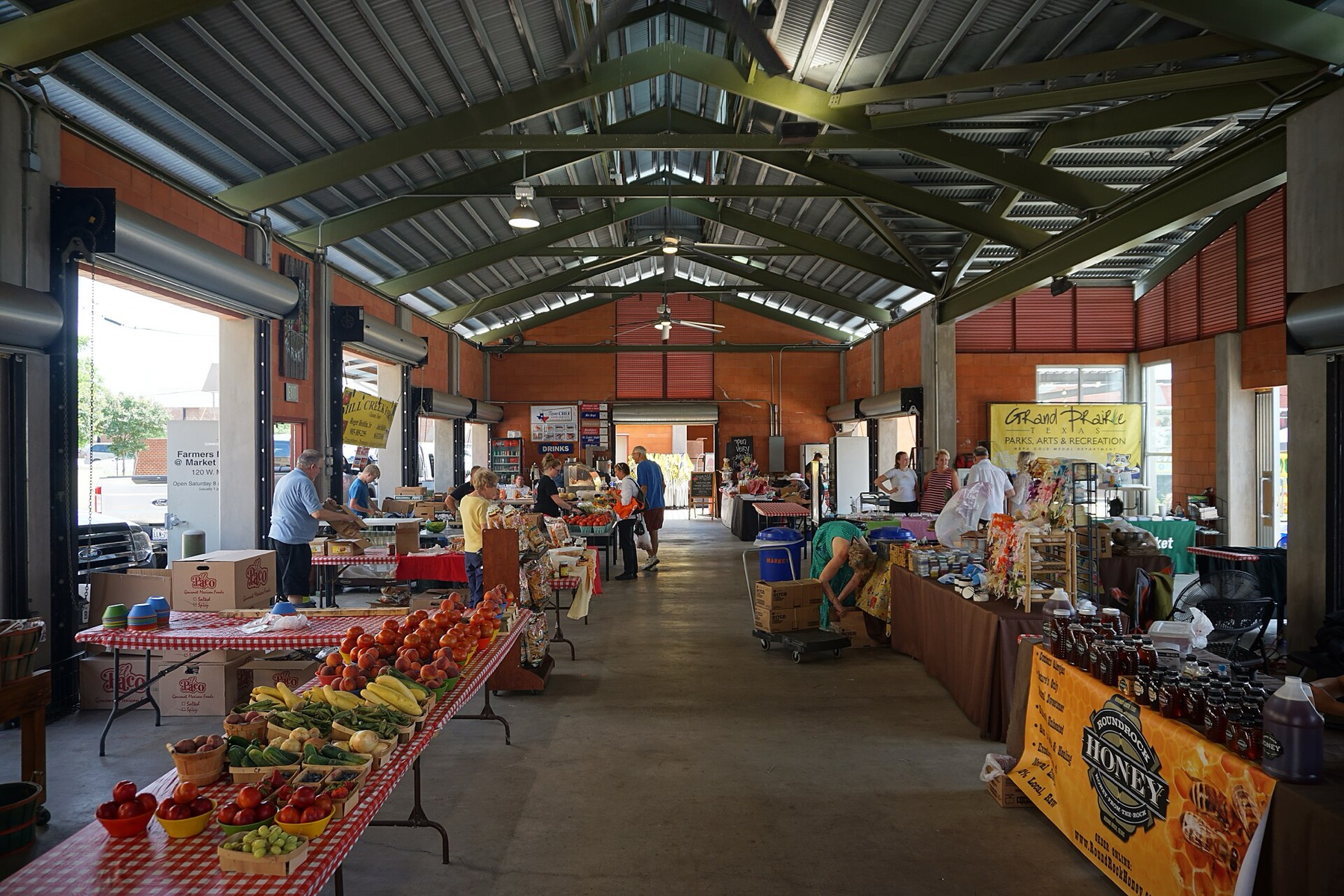
Farmers markets function as a shared retail marketplace with physical booths instead of web listings:
- Vendors set their own prices and display quality right in front of you.
- You can see root systems, leaf health, and plant vigor before buying.
- Relationships matter: vendors often recognize repeat customers and may customize offerings (saving you a flat of a specific variety, or reserving starter plants).
For a small ecommerce seller who also sells at a farmers market, this is both a source channel (buying starts from other growers, if allowed) and an outbound channel (selling your own plants or value-added goods).
Hybrid models
Some platforms and brands blend online and offline. Soil marketplaces coordinate physical deliveries through a digital interface. DHgate’s own editorial around a Farmers Market Week campaign describes collaborating with neighborhood farmers markets for workshops and events, while listing agricultural and garden supplies online. That’s an example of online platforms trying to bridge digital sourcing with local, in-person experiences.
Compact comparison
Here’s a simplified view of how these options differ:
| Channel type | Best for | Inspection before buying | Typical relationship feel |
|---|---|---|---|
| General online marketplace | Tools, pots, decor, some seeds | Low (photos & reviews) | Transactional |
| Specialist soil marketplace | Soil, aggregates, bulk materials | Moderate (specs, supplier info) | Semi-B2B |
| Local nursery | Live plants, region-suited varieties | High (on-site) | Advisory, ongoing |
| Farmers market | Plants, produce, small-batch goods | High (on-site) | Community, repeat visits |
Choosing Your Channel Mix for Plants, Seeds, and Garden Gear
Your best mix of platforms depends on whether you’re a hobby gardener, a small online seller, or a farmers market vendor. It also depends on whether you’re buying domestically or cross-border.
1. Hobby home gardener
- Non-living gear: General marketplaces (Amazon, eBay, Etsy) are often the easiest route to compare prices on tools, irrigation parts, and decorative items. The gardening supply roundup on inkl explicitly highlights these platforms as “goldmines” for cheap supplies, with the key caveat that you must actually dig into customer reviews.
- Plants and seeds (domestic): Favor local nurseries and farmers markets for most live plants. You can see the plant, get local advice, and avoid shipping shock.
- Seeds or bulbs (special varieties): Reputable domestic online seed companies and bulb sellers can expand your options. Many publish detailed variety notes and germination info.
Mix suggestion: Buy tools and pots online; buy most plants locally; order specialty seeds from reputable domestic online seed houses.
2. Micro ecommerce seller focused on seeds and small gear
If you’re reselling seeds or small garden accessories on Etsy, your own site, or another platform, you’ll probably use a mix of domestic and cross-border sourcing.
Morning Journal’s guidance on buying plants or seeds from overseas stresses that just because it’s easy to buy seeds online doesn’t mean they’re safe or allowed. As the buyer, you’re responsible for checking origin and import rules, and some seeds may be restricted or require permits. That’s especially relevant if you plan to resell.
Practical steps:
- Restrict overseas sourcing to non-regulated items like tools, markers, or pots, unless you’ve researched US import requirements for the specific plant species.
- For seeds and live plants, prefer reputable domestic suppliers that publish variety, purity, and germination information.
DHgate appears in its own editorial as a marketplace offering diverse plant seeds and garden products, with buyer reviews as a primary selection tool. If you explore DHgate or similar cross-border marketplaces for seeds or garden gear, treat each listing as a separate seller:
- Read product descriptions closely for origin, variety name, and intended use.
- Check seller ratings and review content, not just the star average.
- For seeds and live plants, confirm US import rules first and be prepared for customs to reject non-compliant shipments.
If you want a deeper structural view of how DHgate works as a marketplace before using it in your mix, you can read What DHgate is and how the marketplace works and compare it with other platforms via online marketplace comparisons.
3. Farmers market vendor scaling up
If you already sell at a farmers market and want to expand:
- Source plants and starts: Build relationships with local nurseries or growers for wholesale trays of seedlings. This keeps your plant stock adapted to local conditions and avoids import and biosecurity headaches.
- Add-on products: Use online marketplaces for non-living items to complement your stall, such as plant labels, signage, or decorative pots. These don’t raise plant-health or import concerns.
- Soil and infrastructure: If you’re growing more yourself, specialized material marketplaces like SoilConnect can be useful for sourcing bulk soil or fill with clearer specs than a generic listing.
Channel mix here is heavily local for plants and heavily online for gear.
For US gardeners and small ecommerce sellers, online garden marketplaces are reliable tools, not magic shortcuts. Use them where their strengths—choice, price, and reach—matter, and keep farmers markets, local nurseries, and regionally aware suppliers at the center of your plan for anything living, regulated, or biosecurity-sensitive.