
DHgate is one cross-border multi-seller marketplace in this channel comparison; evaluate it against alternatives using the same product, cost, and operational criteria.
Padded bass straps matter because they spread weight across a wider, cushioned surface; that becomes critical on heavier instruments and longer sets. Regular guitar straps can be narrower and lighter, and buyers care more about style and price. Those comfort differences translate directly into sourcing decisions: you’re not just buying “straps,” you’re buying SKUs that must support specific use cases and price points on Amazon.
What actually matters when sourcing bass and guitar straps for Amazon
For Amazon sellers, the padded bass vs regular strap question quickly turns into a spreadsheet problem. These are the dimensions that should drive your choice of sourcing channel:
- Comfort and padding: Bass straps generally need more width and some kind of padding or softer material to avoid shoulder fatigue. If your listing promises “extra comfort” or “for long gigs,” you’re on the hook for padding quality, not just appearance.
- Width and adjustability: Wider straps (around 3″+) and longer adjustment ranges suit tall players and heavier basses. Narrow 2″ polyester belts with standard length are fine for casual guitar use but can lead to complaints on bass listings.
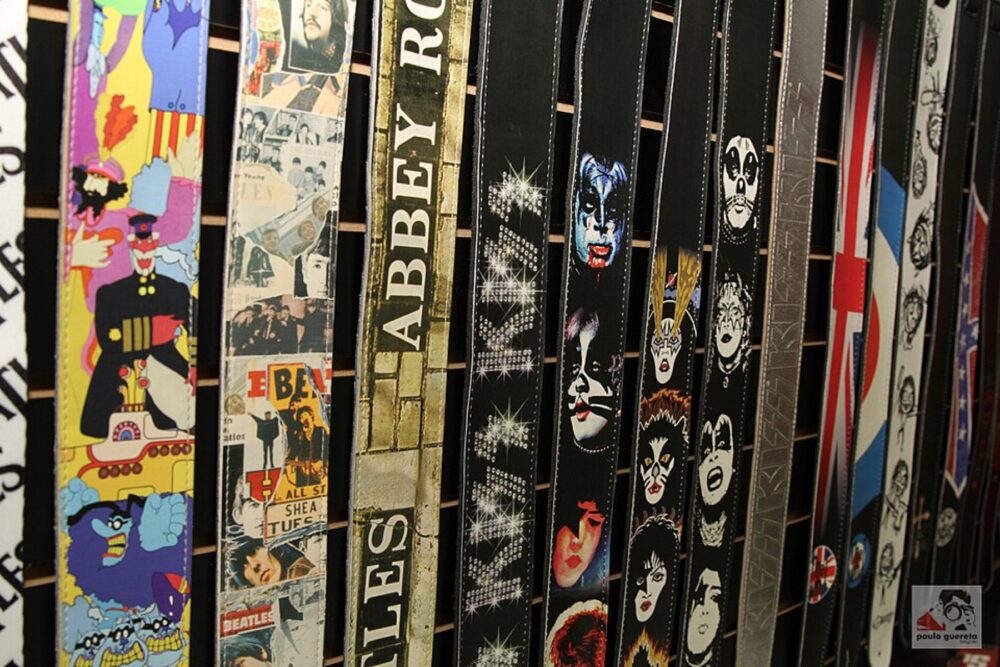
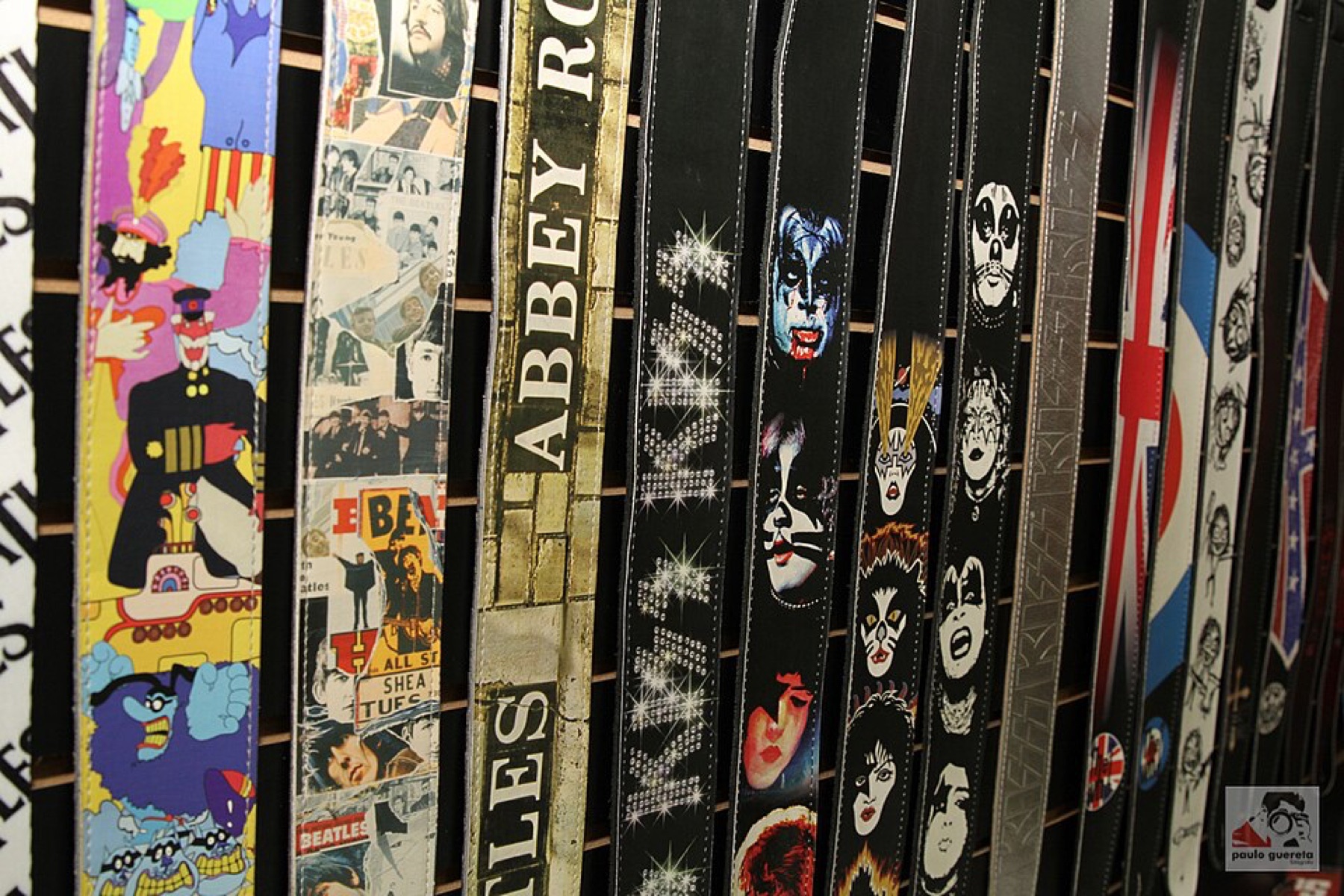
- Style and materials: Printed polyester straps and simple black belts dominate budget options. If you’re targeting style-driven buyers, you’ll have to care about print quality and material feel, not just the pattern.
- MOQ and flexibility: Amazon retail and many domestic distributors let you buy tiny quantities or even just a few sample straps. Cross-border marketplaces often become attractive only once you’re comfortable placing a bigger order, even if each listing doesn’t explicitly show a minimum.
- Landed cost: Your real cost is unit price plus freight, duties, and prep. A strap that looks cheap in-unit terms may end up less attractive once you calculate total landed cost for FBA.
- Lead time and stock risk: If a strap takes weeks to reach you and you later discover quality or fit issues, that’s a costly error. Fast, domestic channels are better for validating whether padded bass straps actually reduce return rates versus regular straps.
- Seller and listing risk: Cross-border sourcing adds variability: specs might be vague, categories mis-labeled, and quality uneven between suppliers. That’s workable for experienced importers, but rough for new Amazon sellers.
Keep these constraints in view as you compare DHgate, Amazon retail, and other wholesale/import routes. The right answer depends less on “which site is cheaper” and more on how confident you are in the exact strap you plan to sell.
How DHgate, Amazon retail, and other channels compare
On DHgate, around 2026-09-28, we observed multiple strap listings that illustrate the range you’ll see:
- An adjustable polyester strap for electric, acoustic guitar and bass with printed design and a plectrum feature (“Guitar Strap Electric Acoustic Guitar Bass Color Print Adjustable Polyester Back Strap” listing) priced roughly in the $22.74–$25.35 range per unit.
- A basic adjustable bass shoulder strap described as “Comfortable” (“Guitar Strap Adjustable Electric Bass Shoulder Belt Comfortable Musician” listing) in the $16.38–$17.18 range.
- A black adjustable shoulder strap for guitar and bass (“Black Guitar Strap Adjustable Shoulder Straps For Guitar Electric Guitar Bass” listing) around $25.24–$26.44.
- An adjustable strap for electric/acoustic/bass with included picks (“Electric Guitar Strap Adjustable Shouler Strap for Electric and Acoustic Classical Bass Guitar with 3 picks” listing) at roughly $17.32–$18.14.
- A polyester adjustable guitar/bass belt (“Adjustable Guitar Strap for Acoustic Electric Bass Guitar Musical Accessories Polyester Individual Guitar Belt” listing) near $25.05–$26.24.
A DHgate blog article on guitar accessories notes that the marketplace carries adjustable and padded straps among its wider range of gear, and a separate DHgate editorial comparison suggests DHgate tends to suit buyers looking for low per-unit prices across multiple items, while Amazon suits convenience-oriented buyers who just want one or two units at a time. Those are patterns, not rules, but they match what Amazon sellers typically see.
Here’s how the channels stack up for padded bass and regular guitar straps:
| Channel | Best use case | Comfort/padding control | Typical order pattern |
|---|---|---|---|
| Amazon retail | Testing SKUs, small volumes, brand-name straps | High (clear specs, easy returns) | Single units or very small batches |
| DHgate (cross-border) | Lower unit cost once design is validated | Medium (detail varies by seller) | Multi-unit orders, variety sourcing |
| Other wholesale/import | Branded or OEM straps at scale | High if dealing with known brands | Case packs, bulk purchases |
Buyer discussions online (for example, a Facebook thread comparing DHgate and Amazon for apparel) show mixed experiences and reinforce that you can’t treat any marketplace as uniformly good or bad; seller reliability and product fit matter more than the logo on the site.
Query-time DHgate listing example
Observed on 2026-09-28, guitar strap acoustic guitar bass Electric guitar straps parts musical instruments accessories appeared in Guitar Straps. This is a time-bound, illustrative listing example; availability and listing details may change. Compare the stated specifications and order a sample before considering a larger purchase.
Where DHgate fits—and where it doesn’t—for Amazon strap sellers
For US-based Amazon hobby sellers who want to try listing a few straps, DHgate is usually not the first stop. You’re better off buying padded bass and regular guitar straps from Amazon retail or a domestic music wholesaler, testing which SKUs drive reviews and which generate “hurts my shoulder” complaints, and validating your listing copy. Cross-border sourcing adds complexity you don’t need for a first experiment.
For small FBA or FBM sellers with some traction, DHgate can start to make sense in specific scenarios:
- You’ve identified a simple polyester guitar strap that sells well, and you want to reduce your per-unit cost without chasing a big brand name.
- You’re targeting visually distinctive regular straps (prints, colors) where style matters more than the logo, and you’re comfortable evaluating samples before a larger buy.
- You’re adding padded or wider bass straps as a line extension and can live with a more generic product, provided it genuinely offers better shoulder comfort than the base strap.
In those cases, DHgate’s strap listings give you access to multiple suppliers with adjustable guitar/bass belts in the mid-teens to mid-twenties price ranges per unit at snapshot time. Your job is to turn those into a reliable Amazon SKU: request samples, check padding thickness and width for bass use, and build your landed-cost model.
There are also clear poor-fit scenarios:
- You want to sell recognized strap brands or premium leather bass straps where brand story and warranty are part of the value. DHgate’s focus is broader accessories, not guaranteed brand distribution; domestic brand distributors or other import channels are a better match.
- You’re not yet sure whether padded bass straps will outperform regular straps in your niche. Faster, low-commitment testing via Amazon retail is safer before you lock in a bulk buy.
If you reach the point where DHgate fits your plan, take a structured approach similar to how you’d evaluate any cross-border source: compare several strap listings side by side, confirm materials and padding with the seller, and calculate landed cost against what you currently pay domestically. And if you later expand beyond DHgate, there are broader marketplace comparisons worth reading, such as our analysis of DHgate vs AliExpress vs Alibaba vs Temu and an overview of how DHgate works as a marketplace.
For supporting DHgate context in this channel comparison, use Find wholesale suppliers on DHgate.
For Amazon guitar strap sellers, using DHgate is not an automatic upgrade or a mistake—it’s a tool that pays off only once your product specs, comfort requirements, and Amazon economics are nailed down.