
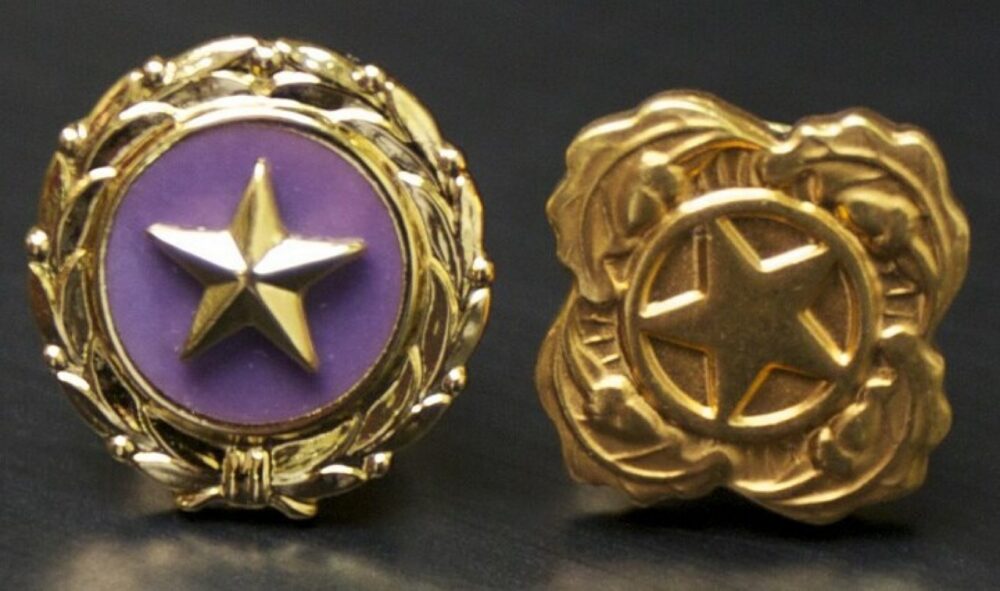
Wholesale enamel and star pins stay cheap only if you look beyond the sticker price. For US buyers, the lowest per-pin cost usually comes from bulk-friendly global marketplaces or custom manufacturers, but it only beats domestic wholesale if you order enough pins to spread out freight and import costs, and avoid paying for customization you don’t actually need.
In practice that means doing three things: 1) benchmark realistic unit prices (often well under $1 on large global platforms for simple star designs), 2) factor in shipping, payment fees, and any import charges, and 3) match minimum order quantities (MOQs) and assortments to your real demand so you’re not sitting on slow-moving inventory.
What wholesale enamel and star pins really cost
Wholesale cost has three main layers:
- Product price – the per-pin or per-lot price you see on the listing.
- Getting it to you – parcel or freight shipping, plus any import-related costs.
- Transaction overhead – platform fees, payment processing, packaging, and your own handling.
On global marketplaces, enamel and star pins are usually priced per piece or per set. For example, an Alibaba “pins and brooches star” category page shows star pins with quoted unit prices starting around $0.35–$0.95 for bulk orders of simple designs, with some higher-priced designer or crystal pieces listed above that range (Alibaba pins and brooches star). Those prices typically assume you’re buying a larger quantity (hundreds or more) from a factory or trading company.
Domestic wholesale platforms aimed at retailers, like Faire’s star pins section, often show higher per-unit pricing but lower MOQs and curated, store-ready assortments. A site like CheapWholesaleJewelry’s star angel pins sells by the dozen, which bundles 12 pieces into one wholesale-friendly lot.
On cross-border marketplaces with ready-made enamel pins, DHgate listing snapshots checked on 2026-09-28 show ranges like:
- Cute Star Enamel Pin Cartoon Brooch – price range around $1.32–$1.70 per item for bulk purchase (DHgate listing).
- Red Star Lapel Pin Badge Enamel Pin – a star-themed lot in the $18.04–$18.89 range for the set, depending on quantity (DHgate listing).
- 10-100 pcs Enamel Pins Badges Random Set – enamel pin bundles priced roughly $10.71–$22.86 per set, with total price changing as you choose different bundle sizes (DHgate listing).
These examples are snapshots, not fixed offers. Quantities in each lot, exact MOQs, and live prices can change, so you need to click through and confirm what each listing includes and how that translates to a per-pin figure.
If you’re comparing channels, use these ranges as a sanity check. A generic star enamel pin bought wholesale and resold at $8–$12 retail has room for profit if your landed cost (product + shipping + fees) stays under roughly $2–$3 per piece. If your landed cost creeps up toward $4–$5 per pin, you’re in more of a specialty or custom niche where you need higher retail pricing or stronger branding to maintain margins.
Why MOQ, customization, and timing change your per-pin price
Three decisions move your per-pin cost more than almost anything else.
1. Order size and MOQ
Suppliers discount as quantity climbs. A factory quoting $0.75 per star pin at 1,000 pieces might quote $0.50–$0.60 per pin at 5,000 pieces. If your shop only sells a few hundred pins per year, chasing the absolute lowest unit price by ordering thousands can backfire; carrying costs and dead inventory quietly erase the savings.
Assortment-style lots – like bundles of 10-100 enamel pins in a mixed set – can be friendlier for smaller sellers. Your per-pin cost might be higher than a huge factory run, but you’re tying less cash up in one design and can test what actually sells.
2. Custom designs vs. stock pins
Custom enamel star pins add setup and mold costs. Many custom houses and factories keep unit prices low but charge a one-time design or tooling fee, which effectively raises your cost on small runs. If you only need pins for a single event or a short campaign, a well-chosen stock design from a marketplace or domestic wholesaler often beats custom on total spend.
As your volume grows or you build a brand, custom designs start to make more sense. Your per-pin cost can actually drop on larger custom runs because you spread that upfront fee across more units, and you can justify higher retail prices with unique artwork.
3. Shipping method and lead time
Fast air shipping on small parcels tends to be expensive per pin, but flexible for small tests. Slower economy options or consolidated freight dramatically lower the transport cost per unit, but you need to plan further ahead and tie cash up longer.
If you’re sourcing cross-border, those tradeoffs matter. For a first order, paying more for faster delivery might be worth it to validate demand. Once you know your weekly or monthly sales, you can step up quantity and move to slower, cheaper shipping so long as you keep enough buffer stock.
Choosing the cheapest viable channel and shaving costs further
No single channel wins for every buyer. The cheapest path depends on how many pins you actually need, how customized they must be, and how much complexity you’re willing to handle.
Here’s a compact comparison of typical options:
| Channel type | Where you’ll find it | Typical strengths for budget buyers | Common tradeoffs |
|---|---|---|---|
| Global B2B marketplaces | Alibaba star pins, Cross-border multi-seller enamel pin listings | Very low unit prices (e.g., Alibaba star pins starting around $0.35–$0.95/unit in bulk), wide factory selection | Larger MOQs, more work vetting suppliers, cross-border logistics and import to factor in |
| Domestic wholesale platforms | Faire star pins, CheapWholesaleJewelry by-the-dozen lots | Store-ready assortments, lower MOQs, simpler shipping inside the US | Higher per-pin cost vs. factories; margins tighter unless retail prices are strong |
| Custom pin manufacturers | Specialized sites like Vivipins or SignaturePins | Tailored designs, quantity-based price breaks, branding value | Setup fees, need larger runs to hit low unit cost, longer lead times |
Once you’ve picked a channel, you can push costs down further with a focused checklist:
- Lock your demand estimate first. Project realistic sales for each design over the next 3-6 months. That number should drive your MOQ choice more than chasing the lowest quoted unit price.
- Use assortments to learn. Early on, favor mixed sets (like 10-100 enamel pins in assorted designs) instead of huge runs of a single star pin. Let actual sales data tell you which designs deserve big reorders.
- Batch orders and shipping. If you’re importing, consolidate multiple pin designs into one larger shipment to spread out freight costs. Just be careful not to overstock slow sellers.
- Compare unit prices across at least two channel types. For the same rough design quality, check a global marketplace listing (e.g., Alibaba or DHgate), a domestic wholesale platform like Faire, and a custom house quote. The spread helps you see if a given offer is truly competitive.
- Plan for import costs explicitly. Even without getting into exact tariff math, assume that cross-border orders will carry some extra charges and treat them as part of your landed cost, not an afterthought. You can find more detailed context in this guide to customs, tariffs and import fees.
If you’re a very small shop or running a one-off event, domestic wholesalers and curated platforms often win on total convenience, even if per-pin prices are higher. As your monthly volume climbs and you’re willing to manage longer lead times and bigger orders, global marketplaces and custom factories become attractive, because they let you trade planning and complexity for a materially lower landed cost on every enamel or star pin you sell.