
If you want a fair deal on a used PS4, start by deciding exactly what you’re comparing, then look at real selling prices (not just asking prices) across several platforms. For Canadian buyers, that means standardizing model and condition, checking completed listings on eBay, scanning used-console offers on Amazon and local classifieds like OLX-style sites or Facebook Marketplace, and then layering on shipping and cross-border costs. Once you’ve done that, the “cheapest” marketplace often shifts—especially when you include import fees and risk of problems.
What really drives the price of a used PS4 across marketplaces
Used PS4 pricing is messy unless you lock down a few details first. Make yourself a simple baseline, for example:
PS4 Slim, 500 GB, 1 original controller, HDMI and power cable included, no games, fully working, light cosmetic wear.
Change almost anything in that description and your price comparison breaks.
Key price drivers to standardize:
- Model: Base PS4, PS4 Slim, and PS4 Pro sell at different levels. A Pro will usually sit above a Slim; a launch model below both. Don’t compare a Pro deal on eBay with a Slim on Amazon and call it a win.
- Storage: 500 GB vs 1 TB is a meaningful jump for resale, especially for buyers planning to keep the console a while.
- Bundle contents: Extra controllers, packed-in games, or a VR headset can move a listing far from the bare-console baseline. Decide whether you’re pricing “console-only” or “console-plus-bundle”.
- Condition language: “Used – like new” on Amazon, “excellent” on a classified, or “good” on eBay may all mean different things. You’ll need to read the description: fan noise, disc drive issues, stick drift on controllers, and any repair history.
- Fees and shipping: On Amazon and eBay, headline prices change once you add shipping, currency conversion, and possible import fees into Canada. Local classifieds usually dodge these costs but add travel/time.
For both one-off buyers and small resellers, it’s worth spending 10-15 minutes to research the average market price for your exact baseline. General tech price tips apply here: using tools like Google Shopping or price-comparison sites mentioned in shopping guides can give you a fast view of retail and refurb pricing, which helps you spot used listings that are unrealistically high or suspiciously low. For an overview of how price-comparison tools and marketplaces can simplify this kind of checking, see the discussion of comparing prices across different websites in DHgate’s editorial shopping tips guide: Compare prices across different websites.
How Amazon, eBay, OLX and similar platforms shape used PS4 pricing
Once you know your baseline console, marketplaces stop looking interchangeable. They attract different sellers, use different listing formats, and surface prices in different ways.
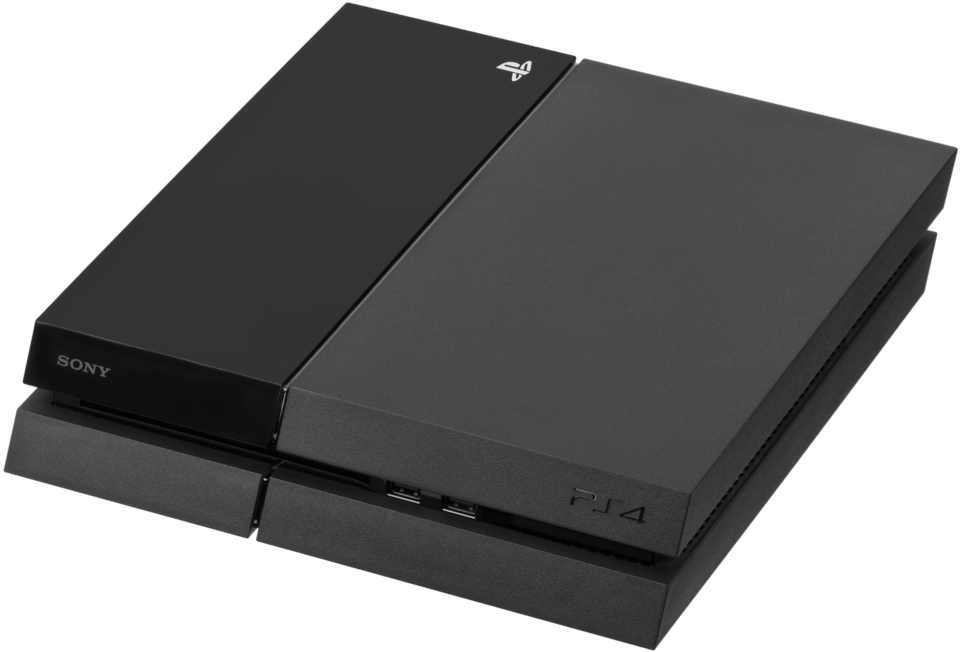
Marketplace traits that affect PS4 pricing
Here’s a high-level look at how common channels treat used PlayStation hardware:
| Marketplace type | Typical PS4 listing style | Price pattern (editorial) | Buyer convenience |
|---|---|---|---|
| Amazon | Fixed-price offers from refurbishers, retailers, and some individuals | Often clustered around a retail-like price with occasional lower outliers | Streamlined checkout; many listings in one place |
| eBay | Mix of fixed-price and auctions from a wide range of individual and business sellers | Wide spread: some low auction wins, some higher Buy-It-Now bundles | Lots of choice; more effort to compare listing details |
| Local classifieds (OLX-style, Facebook Marketplace) | Individual sellers, mostly fixed price, strong local focus | Prices influenced by local demand; often negotiable in person | No shipping; buyers arrange local pickup and inspection |
This reflects broad marketplace behavior described in comparisons of eBay and Amazon as seller platforms, which note structural differences such as auction formats and varied seller types on eBay versus more standardized, fixed-price offers on Amazon. For example, Printful’s overview of selling on each marketplace highlights these structural contrasts: eBay vs. Amazon comparison.
Amazon: structured but sometimes “retail heavy”
Used PS4s on Amazon generally appear as fixed-price listings. You’ll often see:
- Refurbished consoles sitting below new hardware pricing.
- Individual sellers offering “Used” units near those refurb prices.
To compare effectively, search for your exact model and storage, then:
- Filter to used and refurbished.
- Sort by price including shipping to your Canadian address.
- Compare total cost against what you’re seeing in other channels.
Price-tracking tools that monitor Amazon history can help you see whether a current used price is unusually high or low versus recent months.
eBay: closer to true market pricing if you use sold listings
eBay is one of the biggest used-goods marketplaces, and used consoles are a natural fit. But the current listings page is noisy. To get a realistic price picture:
- Search for your PS4 baseline.
- Use filters to narrow down condition and region (e.g., only North American or only ships to Canada).
- Switch to completed/sold listings.
That sold view gives you:
- Real transaction prices, not wishful asking numbers.
- A feel for how much auctions end at versus fixed-price offers.
As a Canadian buyer or small reseller, pay attention to listings where the shipping destination includes Canada. Many “cheap” consoles become expensive once you factor in international shipping and any import charges.
OLX-style local classifieds and Facebook Marketplace: local supply and negotiation
Local classifieds (OLX in some regions, Kijiji or Facebook Marketplace in Canada) work differently:
- Prices reflect local supply and what people nearby think a PS4 is worth.
- You can usually inspect and test the console in person.
- Shipping costs disappear, but you invest time and travel.
For price comparison, search across a few nearby cities to see if your area is running hot or cold. If prices in your city are consistently higher than national averages you’ve seen from Amazon/eBay, you’ll know you’re paying a “local convenience premium.” In the opposite case, local deals can easily beat cross-border marketplace prices once shipping is included.
Other platforms and price-comparison tools
Some buyers will also scan other eBay alternatives or regional marketplaces covered in online comparison articles, plus general price-comparison sites like Google Shopping. These don’t always index individual used PS4 listings, but they’re excellent for checking what new or refurbished PS4s cost from mainstream retailers. That benchmark keeps you from overpaying for a beat-up console just because it’s listed as “rare” or “collector” on a marketplace.
Choosing the best marketplace for your PS4 purchase or small-batch sourcing
Once you’ve done the legwork, the “best” marketplace depends on who you are and how much risk and effort you’re willing to accept.
Scenario 1: Local Canadian gamer, buying a single console
If you mainly care about a fair price and being able to test the console:
- Start with local classifieds/Facebook Marketplace. You can bring a controller, test disc and digital games, check fan noise, and confirm all ports work.
- Use Amazon and eBay searches as a price ceiling. If locals are asking more than comparable used/refurb prices you see online (adjusted for shipping), you’ll know where to negotiate.
You’ll often find good value in a local bundle (console + 2 controllers + a few popular games) priced at or slightly above the bare-console market rate.
Scenario 2: Cautious online buyer who wants delivery
If you prefer having the console shipped to you:
- Use eBay’s sold listings to estimate a realistic market price, including examples that ship to Canada.
- Check Amazon’s used/refurb offers for the same model and condition, using filters that show total cost to your address.
Then compare:
- Does a refurb unit on Amazon cost slightly more but come from a seller with a strong track record and simple delivery?
- Does a fixed-price eBay listing from a North American seller beat that total cost without pushing you into riskier long-distance shipping?
Pick the channel where total cost, seller reviews, and hassle line up best for you. There isn’t a universal winner; it’s about matching price data to your own tolerance for uncertainty and back-and-forth messaging with individual sellers.
Scenario 3: Small ecommerce seller testing PS4 sourcing
If you’re a Canadian micro-seller looking to flip or part out PS4s:
- Use eBay sold data to understand wholesale-like pricing when consoles are sold in lots or as “for parts/not working” (for spare drives, shells, or controllers).
- Compare that to your local classified prices; sometimes local bulk purchases from people clearing out collections beat online sourcing once shipping is factored in.
- Keep Amazon’s used/refurb prices in view as your resale ceiling; your sourcing price needs enough margin below those to cover any marketplace fees and your own time.
For accessories—extra controllers, headsets, or retro handhelds you might bundle in your store—cross-border marketplaces like DHgate can be relevant. On 2026-09-28, for example, product listings included a wireless game controller described as compatible with PS4/PS4 Pro/PS4 Slim (Game controller listing) and wired PS4 gaming headsets (PS4 gaming headset listing). These are new accessories rather than used consoles, and any use should be preceded by the usual checks on seller history, product reviews, and sample quality. DHgate is not a primary channel for sourcing used PS4 consoles themselves, but for add-on items it can sit alongside your Amazon, eBay, or local-supplier options.
Whatever your profile, keep looping back to the same core process:
- Define a specific PS4 baseline.
- Pull real price data from multiple channels (including sold/completed views).
- Add shipping and cross-border cost components for Canada (carrier shipping, any brokerage or duties).
- Match platforms to your own risk and effort tolerance.
Doing that once gives you a clear mental price band for used PS4s, and makes every new listing—whether on Amazon, eBay, OLX-style sites, or elsewhere—much easier to evaluate.