
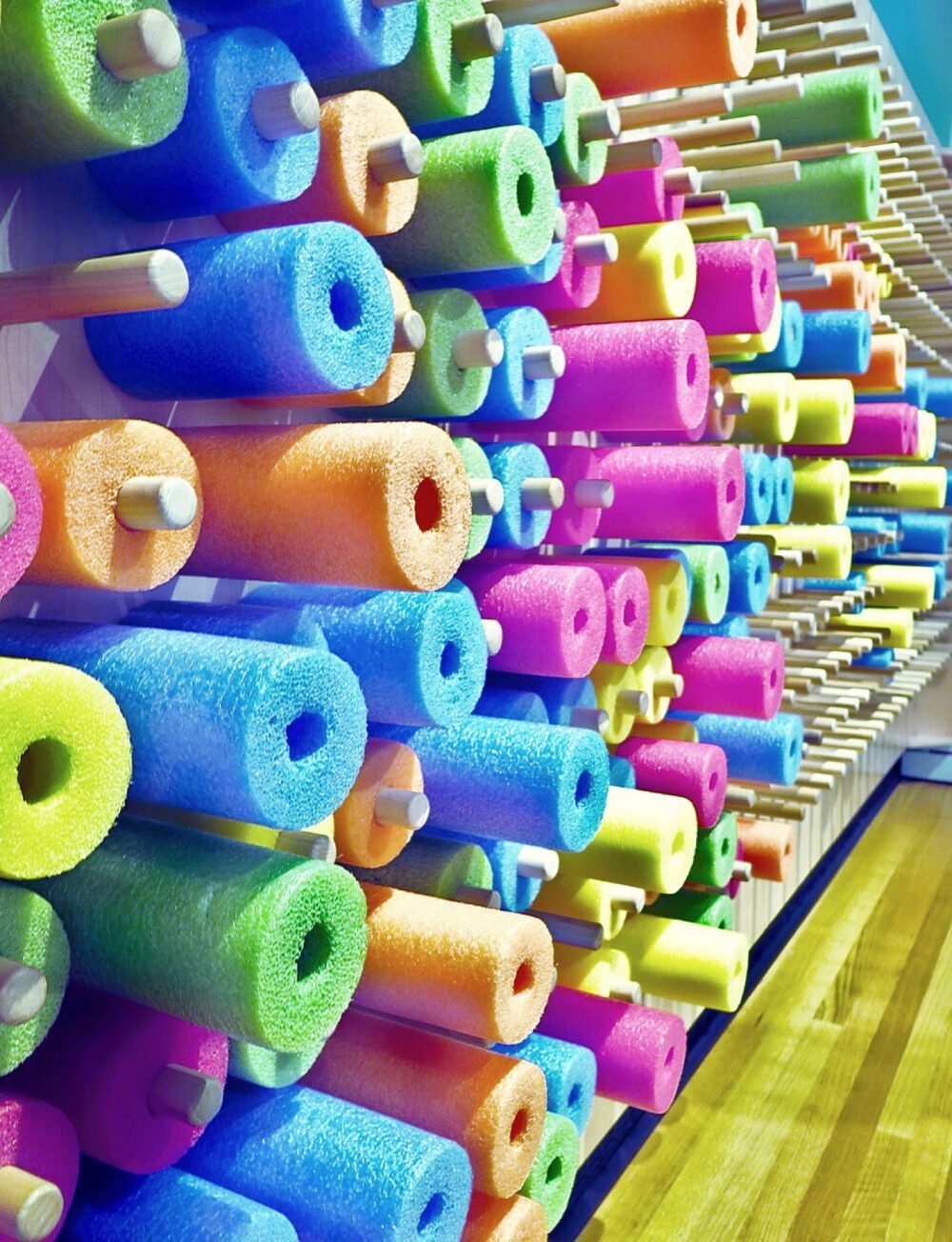
Bulk deals on pool noodles and foam tubes mainly come from three places: specialized foam manufacturers, discount/party-focused retailers offering bulk packs, and large online marketplaces. Your best route depends on how many pieces you actually need, whether you care about precise foam density or colors, and how much risk you’re willing to take on cross-border logistics.
If you’re buying a few hundred noodles for a one-off event or a small seasonal resale push, domestic bulk packs from party suppliers or specialized foam sites are usually the simplest. Once you move into ongoing ecommerce resale, or need custom colors or diameters, working with foam-focused suppliers or carefully vetted cross-border manufacturers starts to make more sense.
How Pool Noodles and Foam Tubes Are Made and Sold in Bulk
Foam pool noodles are a specific type of pool tube: long, lightweight rods made from buoyant closed-cell foam. DHgate’s editorial on pool tubes breaks the category into inflatable tubes, foam pool noodles, and loungers, with noodles called out for being light and floatable for casual use by kids and adults. That matches what you’ll see in bulk listings across retailers and foam specialists.
Most standard noodles share a few traits:
- Material: Closed-cell polyethylene foam (sometimes branded) that resists water absorption and provides buoyancy.
- Shape and size: Commonly around 48 inches long with ~2.5-inch outer diameter; specialized suppliers such as FoamNoodles.com explicitly market this standard format.
- Core type: Solid foam rods or hollow tubes. Hollow tubes are lighter and often cheaper per piece; solid sticks feel denser and are preferred for crafts or higher-end pool experiences.
- Color and finish: Bright solid colors for pool fun, but also neutrals for padding or industrial use.
The supply chain is straightforward but segmented:
- Foam extruders/manufacturers form the noodles and sell in pallet quantities to distributors and large retailers.
- Specialized foam retailers such as FoamNoodles.com and pool-supply sites position themselves as bulk sources, offering multiple colors and pack sizes aimed at swimming, crafts, padding, and DIY projects.
- Mass retail and party/event suppliers (Amazon bulk packs, Walmart clearance sections, Oriental Trading) bundle noodles into 6-50+ packs marketed for parties, camps, and seasonal pool use.
- Cross-border marketplaces list both finished noodles and related components (connectors, accessories), typically shipped direct from manufacturers or trading companies.
Knowing which part of this chain you’re buying from helps you predict minimum order quantities, consistency, and how much leverage you’ll have on specs.
Choosing and Vetting Pool Noodle and Foam Tube Suppliers
The biggest practical risks with foam noodles are inconsistent density, color matching, and deformation during transport or storage. That means your supplier checks should focus less on branding and more on how they handle foam as a product.
For domestic foam-focused suppliers (for example, FoamNoodles.com or national pool-supply retailers), dig into:
- Use cases they support: FoamNoodles.com explicitly markets noodles for pool fun, crafts, and padding in bulk packs. That’s a signal they understand non-swim applications like ecommerce craft kits or packaging inserts.
- Size and color clarity: Look for clearly stated length and diameter, and color lists rather than “assorted” if you need consistency for resale photography.
- Bulk pack structure: Serious foam sellers often have cases or multi-pack options rather than only single units.
For party/event bulk suppliers like Oriental Trading’s pool noodle section:
- Assume the products are tuned for visual impact and one-season use, not long-term foam durability.
- Expect limited spec detail; treat a first order as a quality test before building a store around their stock.
When you move beyond domestic retail into cross-border or manufacturer-direct sourcing:
- Ask for foam density or type: Even if they don’t use technical labels, get them to describe whether the noodle is solid or hollow, and how stiff it is.
- Request photos of full cases: That’s often the only way to see how consistently the foam is cut, and how it holds up when packed tightly.
- Clarify packaging and storage: Lightweight foam can be crushed if over-compressed during shipping. Ask how many pieces per carton and whether they’re banded or loose.
If you’re building a small ecommerce brand, structure your vetting like this:
- Screen suppliers online by use-case fit (craft vs swim vs party) and visible pack sizes.
- Place a manageable test order—enough pieces to evaluate consistency across a whole case, not just one or two noodles.
- Inspect for warping, color bleed, and odor once they arrive. Foam that smells strongly chemical or flakes under light bending is a warning sign.
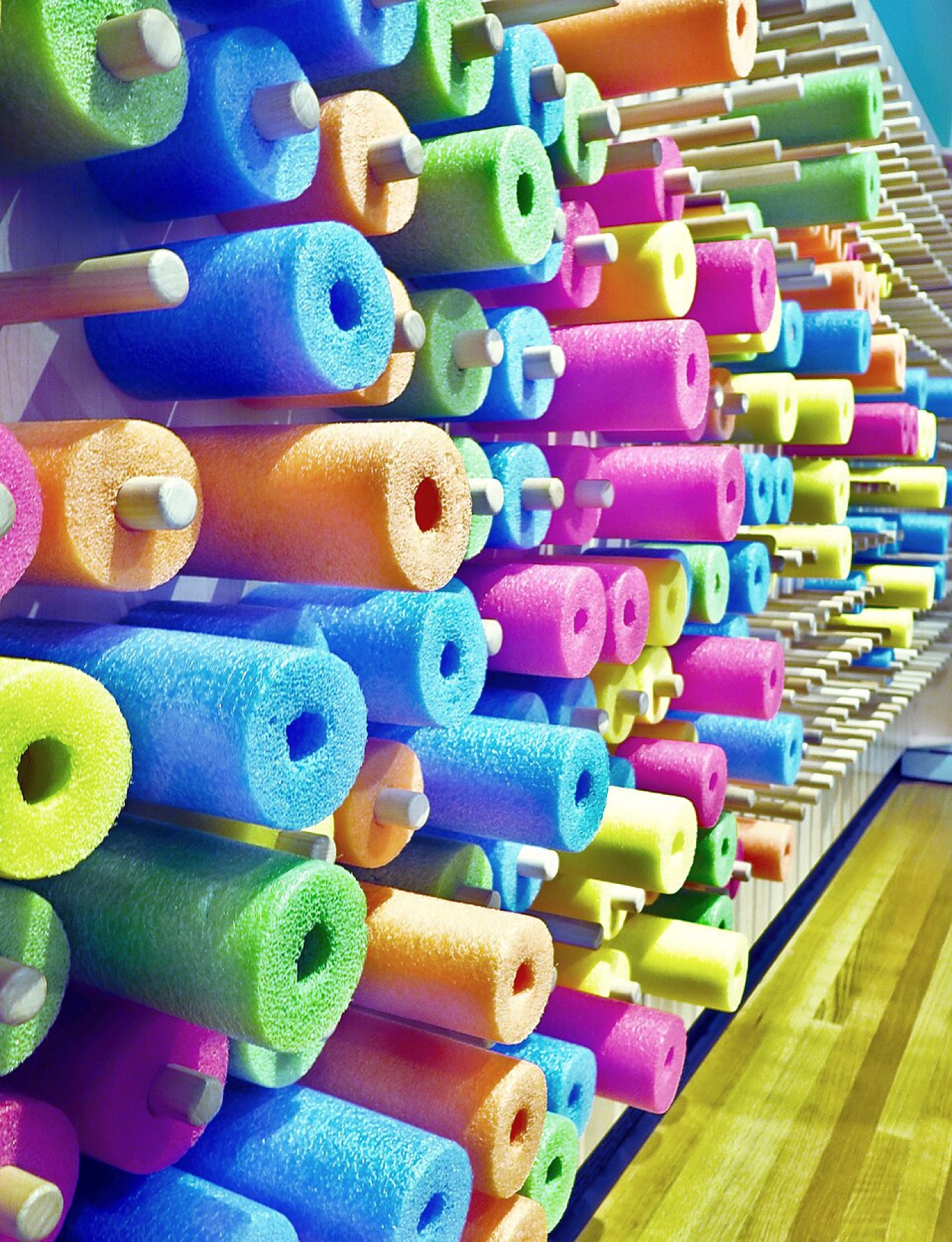
Order Size, Pricing, and Channel Tradeoffs for Bulk Pool Noodles
You can buy pool noodles in anything from 6-packs to pallet loads. The right channel changes as your volume and customization needs grow. Here’s a compact view of how common US-facing options differ:
| Channel type | Typical buyer use | Pack style & MOQ feel | Customization potential |
|---|---|---|---|
| Retail marketplaces (Amazon) | Home users, small resellers | Bulk packs (e.g., 12-50 noodles), low commitment | Very limited; you take what’s listed |
| Discount retail (Walmart, Target clearance pages) | Price-driven, opportunistic resale | Seasonal/clearance lots; stock can be inconsistent | None; good for opportunistic buys only |
| Party/event suppliers (Oriental Trading) | Camps, parties, schools | Event-focused bulk packs, color themes | Mostly color; size/density usually fixed |
| Specialized foam sites (FoamNoodles.com, pool-supply sites) | Small businesses, repeat buyers | Multiple case sizes, bulk discounts | Moderate; sometimes special colors or diameters by arrangement |
| Cross-border marketplaces (e.g., DHgate) | Buyers chasing lower unit cost or unique specs | Listings may show per-unit price ranges, underlying MOQs vary by seller | Higher; manufacturers can often change color/length for larger orders |
Price dynamics and practical MOQs
Search results on Amazon’s bulk pool noodle page show many listings grouped in packs, signaling strong “retail bulk” availability. You’ll typically pay more per piece than you would by negotiating a factory order, but you avoid import complexity and can test demand with 12-50 units.
Discount retailers such as Walmart list noodles in clearance and rollback sections, which is attractive if you’re filling a one-off need or flipping opportunistic deals. The tradeoff is that sizes, colors, and availability change frequently, so it’s unreliable for an ongoing SKU.
Party suppliers like Oriental Trading lean into themed bulk packs—good for camps, events, or a seasonal promotion where you just need “a lot of bright noodles” without caring about technical foam specs.
Specialized foam sites, including FoamNoodles.com, position themselves as bulk sources and often highlight versatility (swimming, crafts, padding). Expect clearer specs and the ability to buy multiple cases in consistent colors, though still at retail-style pricing compared with factory-direct deals.
Where cross-border marketplaces (including DHgate) fit
If you’re ready to explore cross-border sourcing for noodles or foam tubes, marketplaces that aggregate manufacturers can extend your options. For example, on 2026-09-28, DHgate’s product data showed several listings such as:
- Pool Noodles Foam Floating Swimming Noodle Water Sports Accessories Exercise Aid Pool Toy For Training Buoyancy Craft Play – category: Pool & Accessories, with a visible price range around $10.31–$10.82 USD (exact terms depend on seller).
- Foam Noodles Floating Noodle Tube Water Sports Accessories Exercise Aid Pool Toy For Training Buoyancy Craft Play – similar category and use, price range roughly $9.43–$9.91 USD.
- Pool Noodle Soft Swimming Noodles Pool Toy Exercise Aid Training Device For Water Sports Play Craft Projects Buoyancy – Pool & Accessories, price range around $9.33–$9.78 USD.
Listings and prices can change, and many do not show an obvious MOQ in the snapshot, so you need to treat each seller as a separate negotiation. Practical next steps if you consider this route:
- Use marketplace filters to narrow to foam noodles or tubes, then compare several sellers with similar product titles.
- Message suppliers to confirm minimum quantities, carton counts, and whether prices shown are for single pieces or bundles.
- Ask specifically about foam type (solid vs hollow), colors, and whether they’ve supplied US buyers before.
For broader guidance on finding and vetting DHgate suppliers, you can cross-reference internal guides like Find wholesale suppliers on DHgate and Choose a DHgate wholesale supplier, then apply those checks to noodle listings.
Matching channels to your scenario
Think in concrete numbers when choosing a route:
- Under ~50 noodles, one-time use (camp, party, test product): retail bulk packs via Amazon, Target, or Walmart clearance are usually fine.
- 100-500 noodles, repeat seasonal resale or crafts: specialized foam suppliers and pool-supply sites give you more consistency and clearer specs without dealing with imports.
- 500+ noodles, custom colors or diameters, margin-sensitive ecommerce: carefully vetted manufacturer-direct or cross-border sourcing can reduce unit cost and expand specs—but build in time for sampling and expect more hands-on management.
Starting with a modest bulk order through a low-risk channel, then stepping up to more customized sources once you understand your actual demand and quality bar, is the least painful way to grow a pool noodle or foam tube business.