
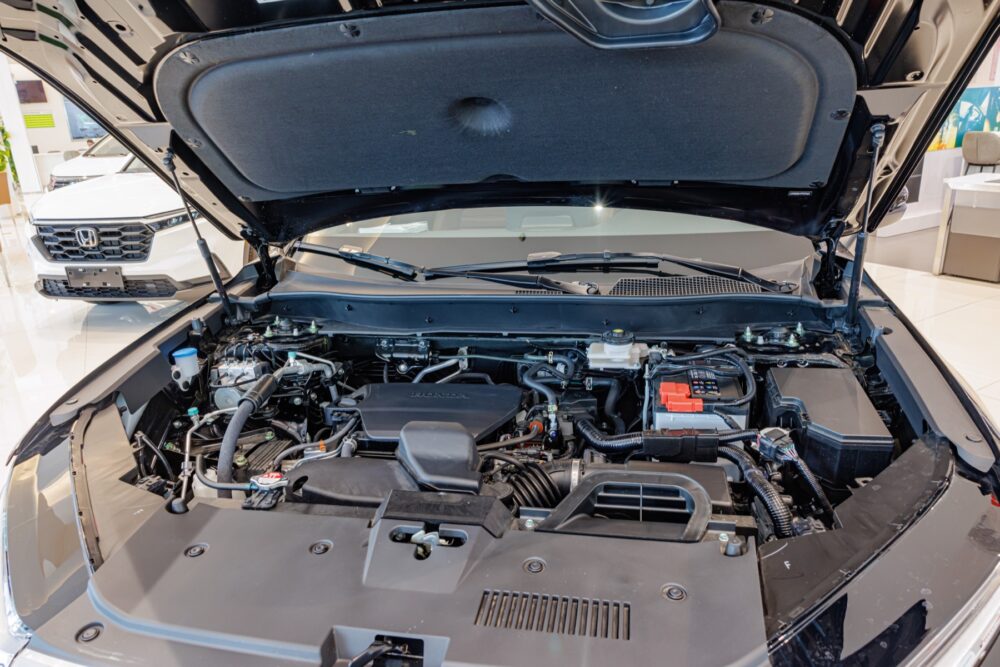
If your Honda CR‑V’s air conditioning has gone warm and a shop says the compressor is failing, you can buy the replacement parts online instead of paying full dealership prices. OEM Honda compressors and related components are available through Honda dealer parts sites, while major chains and general retailers sell aftermarket compressors, clutches, and full kits. The smart move is to decide whether you need a complete compressor assembly, a clutch, or a component kit, then match the right part number and model year across whichever platform you buy from.
Working around the AC compressor and refrigerant system involves safety risks, so actual installation and charging should follow professional automotive/HVAC guidance or be handled by a qualified shop.
How the Honda CR‑V AC compressor fits into your cooling system
On a Honda CR‑V, the AC compressor is one of the core pieces of the air conditioning system. Its job is to pressurize the refrigerant so the system can remove heat from the cabin and give you cold air. When the compressor seizes, leaks internally, or its clutch stops engaging, the system can’t circulate refrigerant properly.
Real-world symptoms that often trace back to compressor problems include no cold air even with the AC on max, grinding or squealing from the front of the engine bay when AC engages, or the compressor clutch never clicking on. In higher-mileage CR‑Vs, metal debris from a failing compressor can contaminate the entire AC system.
In practice, that’s why many shops recommend full compressor replacement instead of trying to “patch” it. Swapping only a clutch or bearing can work if the compressor internals are still healthy, but once the compressor itself is damaged, partial repairs usually don’t last and can risk repeat contamination.
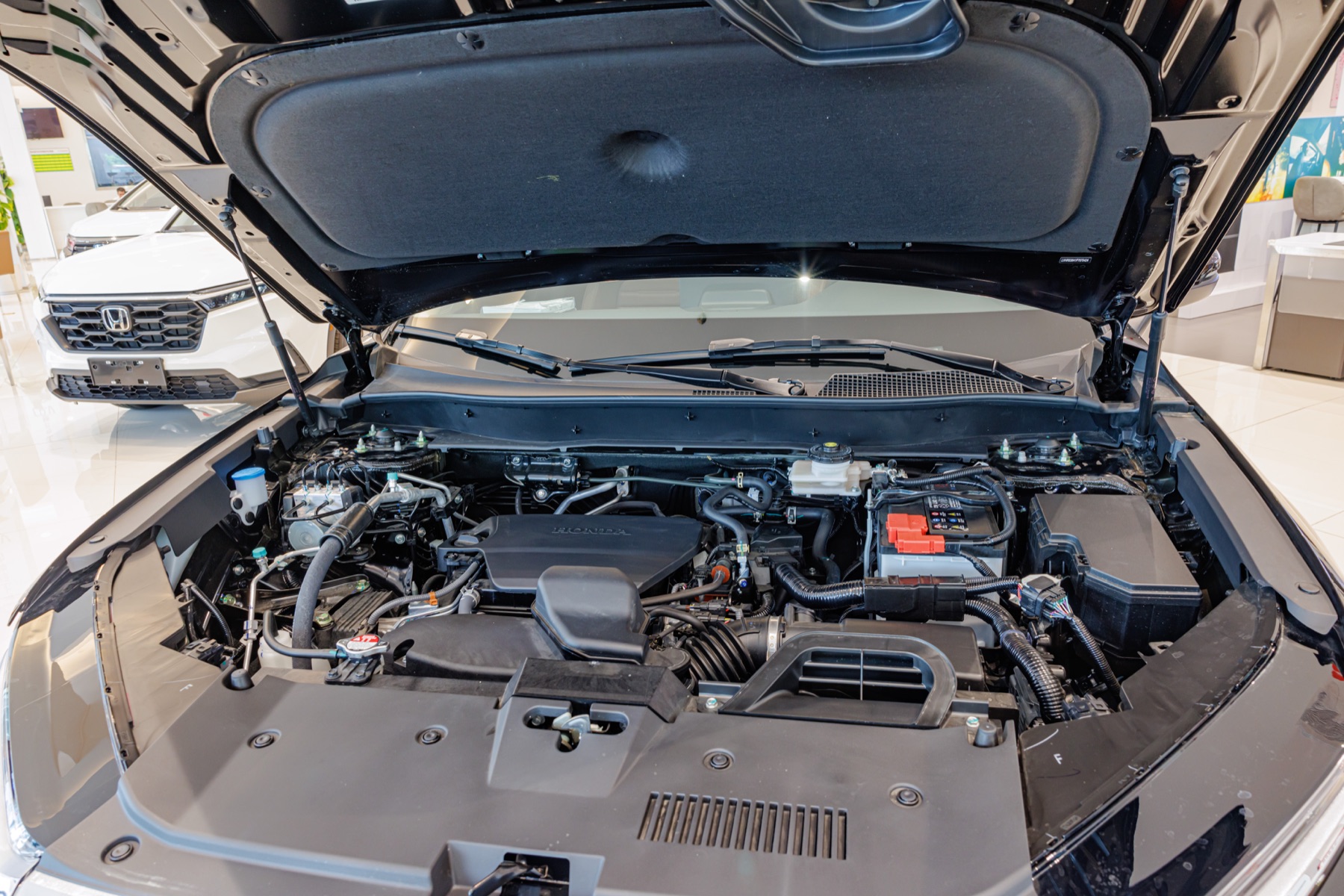
Honda CR‑V AC compressor part types: OEM units, clutches, and kits
When you start shopping online, you’ll see several compressor-related options for a CR‑V. They aren’t interchangeable, and buying the wrong type can create more work than it solves.
Main part types you’ll encounter
- Complete compressor (bare unit) – The compressor itself, often with clutch attached. Honda dealer portals list specific OEM compressor part numbers for CR‑V model years. For example, HondaAutomotiveParts shows an OEM compressor for some 2010-2011 CR‑Vs under part number 38810‑RWC‑A03.
- Compressor with clutch vs clutch-only – Major parts chains categorize “Compressors & Clutches,” but some listings are clutch assemblies without the compressor. On auto parts sites, you’ll see separate SKUs for full compressors and related clutch components. A clutch-only repair is usually reserved for cases where the compressor still builds pressure correctly.
- Component kits – These bundle the compressor plus other items the system may need after a major failure. Retailers like Walmart’s Honda CR‑V AC compressor and component kit category list kits advertised as including a compressor, filter/drier, expansion valve, and O‑rings. These are aimed at broader system refreshes after a compressor fails and may have spread debris.
- Broader AC system components – OEM-focused catalogs like the AC system section on Honda OEM Parts Online organize the AC system, from condensers and evaporators to lines and sensors. Shops may pull multiple OEM items from such catalogs when they’re chasing a more complex problem than a single failed compressor.
OEM vs aftermarket for CR‑V compressors
Online you’ll effectively be choosing between:
- OEM Honda units via dealer-linked portals such as HondaAutomotiveParts or HondaAcuraOnline, which lists an OEM compressor under part number 38800-69F‑A03. These match factory specifications and are the reference point for fit.
- Aftermarket compressors and kits from brands carried by big chains or general retailers. Advance Auto’s Honda CR‑V air conditioning catalog and NAPA’s CR‑V air conditioning & heating page include compressors, clutches, and component kits from various manufacturers. Walmart’s kit listings are another aftermarket example.
- Marketplace listings advertised as “genuine OEM” – Platforms like eBay’s Honda CR‑V compressor & clutch category host sellers who market units as OEM. Because it’s a marketplace, you need to treat OEM claims as seller advertising and verify part numbers and packaging details yourself.
Here’s how those choices compare in practice:
| Channel / product type | Typical use case | Fitment confidence* | Notes on parts you’ll see |
|---|---|---|---|
| OEM compressor via dealer site | Long-term repair with factory-equivalent part | High (VIN/part-number based) | Single compressors and matching AC components listed by Honda part number |
| Aftermarket compressor from parts chains | Cost-conscious repair on common CR‑V model years | Medium–high (vehicle tools) | Multiple brands, bare compressors and occasional bundles |
| Full component kit from general retailers | System refresh after significant compressor failure | Medium (kit contents vary) | Kits advertised as including compressor, drier, valve, O‑rings |
| Marketplace listing marketed as OEM or used | Price hunting or tracking down harder-to-find part IDs | Variable (seller-dependent) | New, remanufactured, and used units marketed with OEM branding claims |
*Editorial judgment based on how each channel structures fitment data.
Where to buy Honda CR‑V AC compressor parts online and avoid fitment mistakes
The same CR‑V model year often shows up across multiple platforms, but each handles fitment differently. Your job is to line up model year, engine, and part number so you don’t lose time to returns.
Reliable channels that actually stock CR‑V compressor parts
- Honda dealer parts portals (OEM)
Sites like HondaAutomotiveParts and HondaAcuraOnline are tied to dealerships and present compressors inside an AC system catalog. You select your CR‑V’s model year/trim, then drill down to “A/C Compressor.” These catalogs are helpful for confirming the exact Honda part number even if you end up buying elsewhere.
- Major US auto parts chains (aftermarket and sometimes OE)
Chains such as Advance Auto Parts’ CR‑V air conditioning section and NAPA’s AC & heating catalog for CR‑V let you enter the vehicle details and then filter by category. You’ll see multiple options per year (different brands, bare compressor vs kit) with fitment tools designed around US‑market CR‑Vs.
- General retailers with AC kits
On Walmart’s CR‑V compressor and component kit page, listings are structured as “compressor + drier + valve + O‑rings” bundles. These can suit DIYers or small shops doing a full clean-and-recharge after compressor failure. Cross-reference the included components against what your technician wants replaced.
- Marketplaces for OEM‑labeled or used parts
Marketplace platforms such as eBay’s CR‑V compressor/clutch category can be useful for hunting older OEM part numbers or buying used compressors, but the platform itself doesn’t guarantee genuineness or fit. Treat OEM labels as claims from individual sellers and vet each listing.
Practical ways to avoid mis-ordered parts
1. Anchor everything to your CR‑V’s details and the Honda part number
Grab your VIN and confirm the compressor part number through an OEM catalog (for example, via HondaAutomotiveParts or HondaAcuraOnline). Then use that number as a search term on chains, general retailers, or marketplaces. If a listing cannot show a matching part number, be cautious.
2. Respect model-year and generation changes
A compressor for a CR‑V that uses part number 38810‑RWC‑A03 on HondaAutomotiveParts is not the same as a compressor with part number 38800-69F‑A03 listed on HondaAcuraOnline. Even within the same generation, mid‑cycle updates can change mounting or connections, so treat the part number as your main reference.
3. Match the repair scope to the product type
If your shop diagnoses internal compressor failure with debris in the lines, a basic aftermarket compressor from an auto chain may not be enough by itself; they may ask you to order a kit from a retailer that includes drier and expansion valve. If the diagnosis is a noisy clutch but normal pressures, a clutch assembly from a “Compressors & Clutches” category can be appropriate.
4. For marketplaces, verify before you buy
On eBay and similar sites, compare photos to OEM parts diagrams, check for visible Honda branding and part numbers, and read how the seller describes condition (new vs remanufactured vs used). Assume fit and authenticity are on you to verify.
For US CR‑V owners and small repair businesses, a common pattern is: confirm the correct Honda part number on an OEM portal, shop that exact number across dealer sites and major chains, and only use marketplaces or cross-border sources for rare or older compressors after you’re confident about fit.