
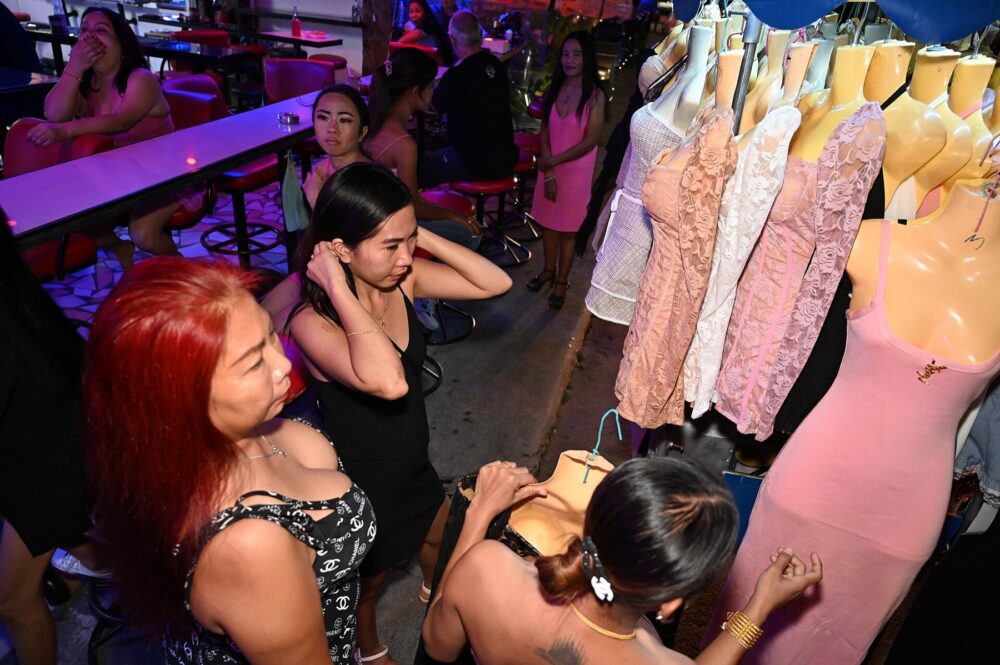
Amazon is usually the fastest, easiest place for US shoppers to grab a date night dress or going-out outfit, with tons of styles and review data at consumer-friendly prices. If you just want a sexy cocktail dress for Friday or a romantic maxi for brunch, Amazon probably covers you. But if you care more about looking unique, squeezing out resale margin, or testing new styles in bulk, other marketplaces and cross-border suppliers can be stronger — they just ask you to trade some convenience for more control.
What Really Matters When You’re Choosing Date Night Outfits and Dresses Online
Before you decide if Amazon is “the” answer, it helps to be specific about what you actually need:
1. Style vibe and occasion.
Date night can mean a laid‑back taco run, a fancy anniversary dinner, or a club night. That translates into very different categories:
- casual knit dresses and two-piece sets
- bodycon minis and cut‑out midis
- flowy maxis and wrap dresses
Pinterest boards like “Amazon date night outfits for fall” show how shoppers treat Amazon as a styling toolkit — pairing Amazon slip dresses with leather jackets, or wide‑leg faux leather pants with bodysuits. Decide which category you’re actually shopping for.
2. Price vs perceived quality.
You’re usually balancing: – Budget (how much you’ll spend for one night) – Perceived quality (does it look boutique or cheap?)
Editorial roundups like Us Weekly’s list of boutique‑vibe Amazon tops highlight pieces that “look expensive” but are priced far lower than typical boutique tags, sometimes under $10. That same dynamic exists in dresses: many Amazon styles aim to mimic higher‑end looks without the price.
3. Fit confidence and returns risk.
Dresses are unforgiving on fit. You want:
- plenty of real‑world photos and reviews by body type
- clear size charts
Amazon’s huge review base is a major appeal here. DHgate Blog’s editorial coverage of Amazon dresses notes that shoppers can browse wide size and style ranges with lots of customer feedback, which reduces guesswork compared with low‑review listings on smaller sites.
4. Timing and reliability.
Are you dressing for this weekend or stocking inventory for next month?
- A single Friday date favors quick, predictable delivery.
- A reseller planning next season’s drops can accept longer lead times if margin and uniqueness improve.
5. Risk tolerance and purpose.
Personal wear and resale aren’t the same:
- For personal wear, a mildly disappointing dress is annoying.
- For resale, a mis-judged style or quality level ties up cash and hurts your brand.
Decide whether you’re an end consumer or a micro-retailer first; the right channel often flips based on that.
How Amazon Handles Date Night Dresses vs Other Marketplaces and Cross‑Border Suppliers
Amazon’s strengths for date night outfits
On Amazon, “date night” isn’t a formal category — shoppers search phrases like:
- “dinner date outfits for women sexy”
- “womens date night outfits”
- “sexy date night dress”
- “date night dresses for women”
Editorial coverage on DHgate’s blog observes that Amazon offers dresses for “every occasion” at accessible prices, from casual day dresses to more formal pieces, with lots of reviews that help buyers judge quality and fit in advance. In practice, that means:
- quick filtering by length (mini, midi, maxi), neckline, sleeve style
- thousands of competing sellers trying to match current trends
- many options that imitate boutique aesthetics at much lower prices
That mix of variety + reviews is what makes Amazon a default for last‑minute date outfits.
How other retail marketplaces differ
If you compare Amazon to fashion‑first marketplaces and retailers:
- Boutique‑style platforms and big-box fashion sites (ASOS, Zara, Revolve, etc.)
- tend to have tighter curation and stronger photography
- often feel more unique or fashion‑forward
- but usually sit at higher price points or smaller size/fit ranges than Amazon’s mass‑market catalog
- Mass off‑price or fast fashion sites
- can undercut Amazon on list price
- sometimes lag on reviews and real‑world photos, so fit and fabric are more of a gamble
For a US consumer, Amazon often wins on certainty (what you’ll get, when you’ll get it) more than on pure style originality.
Cross‑border suppliers and Amazon-oriented fashion
Cross‑border marketplaces cater more to small sellers and export‑oriented fashion labels. Several DHgate listings explicitly reference Amazon‑style markets in their titles:
- “Cross-Border Amazon European And American Women’s Evening Gowns, Strap Dresses, Foreign Trade Dresses”
- “Cross-border summer new product Amazon European and American women’s clothing sexy nightclub off-shoulder short-sleeve midi dress”
- “Amazon European and American foreign trade … striped fashion short with pockets casual dress”
- “Casual Dresses Amazon European And American Foreign Trade Product … printed fashion long dress”
These were observed on 2026-09-28 and show suppliers designing dresses specifically with Amazon US/EU aesthetics in mind — sexy nightclub midis, striped casual dresses, printed long‑sleeve pieces that could easily function as date night outfits.
A key difference: you’re usually buying closer to the source. You’re not getting finished Amazon listings; you’re getting the underlying products that may end up on Amazon or on your own store.
Because DHgate is just one example of such marketplaces and we don’t have platform‑wide policy data here, treat each listing as its own micro‑decision:
- check photos and description against the date‑night vibe you want
- compare price ranges (for example, some export‑oriented dresses were listed around the $30–$45 range at research time; prices can change)
- decide if you’re shopping for yourself or sourcing stock to list elsewhere
Quick channel comparison for date night dresses
Here’s a high‑level, editorial comparison to frame your choice:
| Channel type | Style range for date night | Typical price feel* | Best for |
|---|---|---|---|
| Amazon retail listings | Very wide, trend-driven | Broad, many affordable options | US consumers, small resellers testing single units |
| Fashion-forward retailers (ASOS/Zara etc.) | Focused, curated | Often mid-range | Shoppers prioritizing uniqueness and visuals |
| Cross-border marketplaces (e.g., DHgate) | Export-oriented, varied | Wholesale/volume-friendly | Resellers sourcing inventory, experimentation |
*“Price feel” is editorial judgment based on observed listings and coverage; exact prices vary by product and date.
Which Channel Makes Sense for You: Casual Shopper, Frequent Dater, or Reseller
If you’re a casual shopper
You have a date in a few days and want something cute that won’t derail your budget.
Amazon is usually the default here:
- search phrases like “date night dresses for women” or “sexy date night dress”
- lean heavily on review filters and buyer photos
- pick from mid‑priced dresses that look more boutique than their tags suggest, similar to the “expensive‑looking” tops covered by Us Weekly
Alternative: if you care more about a distinct look than speed, browse a fashion‑forward retailer’s occasion dresses, but expect fewer ultra‑cheap options.
If you’re a frequent dater or social regular
You rotate outfits often and don’t want every look to scream “popular Amazon dress.”
A hybrid strategy works well:
- Use Amazon for basics: black bodycon, slip dresses, neutral blazers, simple heels.
- Pull statement pieces (unexpected silhouettes, unusual prints) from curated fashion sites or local boutiques.
Cross‑border marketplaces can be optional here if you’re willing to deal with longer timelines and less predictable fit to snag a dress that hardly anyone around you will have.
If you’re a reseller or small ecommerce business
Your decision is less “what do I wear?” and more “where do I get margin and repeatable inventory?”
Amazon retail listings are best for:
- validating trends quickly (buy a few units or samples and see how they photograph, how they feel)
- understanding what silhouettes and colors attract reviews and repeat purchases
Cross-border suppliers (including those listing Amazon‑oriented dresses on DHgate) make more sense when:
- you’re ready to order in volume or test a style as your own listing
- you want to avoid selling the exact same ASIN as everyone else
In that case:
- treat listing titles mentioning “Amazon European and American” as a clue that the cut and print are tuned to Western market tastes
- order test quantities first to check fabric, construction, and sizing consistency
- plan around longer lead times and more hands‑on quality screening than you’d need for a single personal dress
If you’re new to cross‑border sourcing overall and want a broader view of where DHgate sits among global marketplaces, you can look at comparisons like DHgate vs AliExpress, Alibaba and Temu alongside your Amazon research.
For most US shoppers, Amazon remains the easiest way to get a reliable date night outfit fast. For resellers and style obsessives, it’s more useful as a reference point and testing ground — with cross‑border channels and fashion‑first retailers filling in the gaps on uniqueness and margin.