
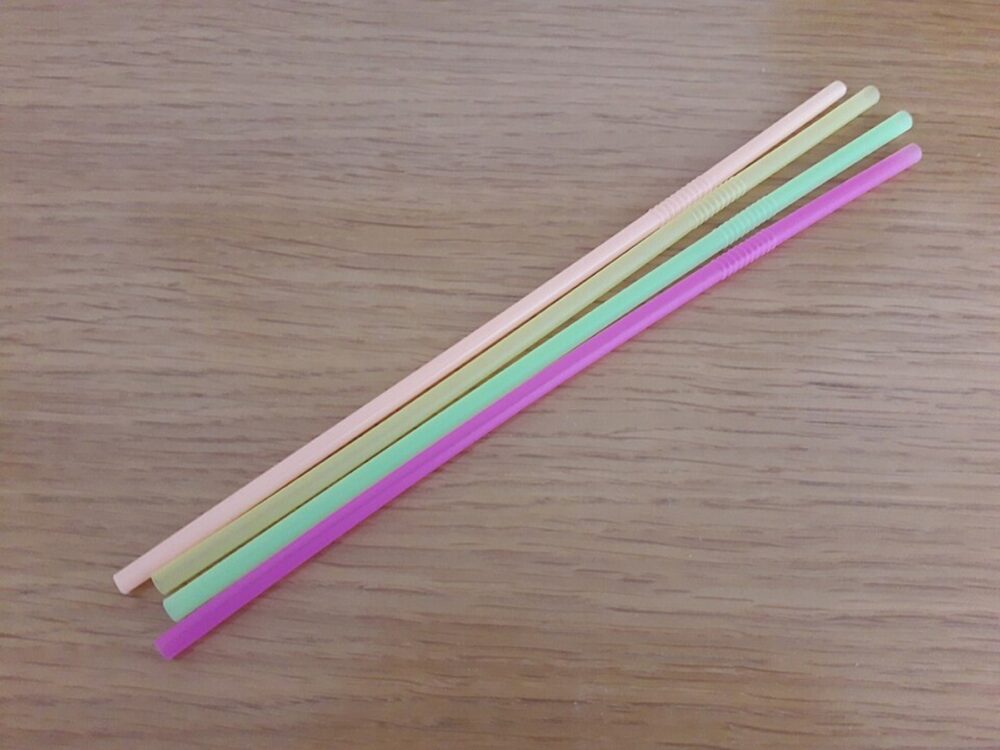
If you’re buying 12mm plastic straws and covers for boba or smoothies, the lowest unit prices usually come from wholesale-focused channels selling cases of hundreds or thousands of pieces. But your real cost isn’t just the straw price: pack size, material, customization, shipping method, and import duties can swing your total bill by 30-50% or more, especially on cross-border orders. For a typical US small shop, domestic wholesalers often win on total landed cost for heavy, low-margin items like straws, while cross‑border marketplaces can make sense for niche colors, sizes, or small test runs.
Below is a budget‑first look at how those costs break down and how to choose the cheapest viable way to stock up.
What Really Makes Bulk 12mm Plastic Straws and Covers Cost What They Do
Most 12mm straw and cover orders have four main cost buckets:
- Product price (per pack or case)
For 12mm boba/smoothie straws, you’ll see a few common pack formats:
Domestic wholesale boba suppliers like Bossen and other specialty shops often sell 12mm straws in packs of 100 up to around 1,000-1,600 pieces, with noticeable case discounts as you move up. Party and restaurant suppliers such as King of Sparklers highlight “Pack of 100” vs “Pack of 3000” for 12mm jumbo straws, again reinforcing that the price per straw drops sharply once you commit to case quantities. * Amazon‑style listings for jumbo smoothie straws, like the Vesici 1600‑piece pack page (example), show how consumer marketplaces also bundle straws in 100‑ to 1600‑count bulk sets.
For covers, dust caps and toppers designed for 12mm straws (often marketed as 0.48″ wide), you’ll typically see much smaller sets: 4-12 covers per pack, sometimes bundled together with straws.
For covers, one DHgate example of silicone straw covers (here for 8mm straws) sat around $25–$27 per pack at research time (example), suggesting covers tend to cost more per piece than plain straws.
- Shipping and handling
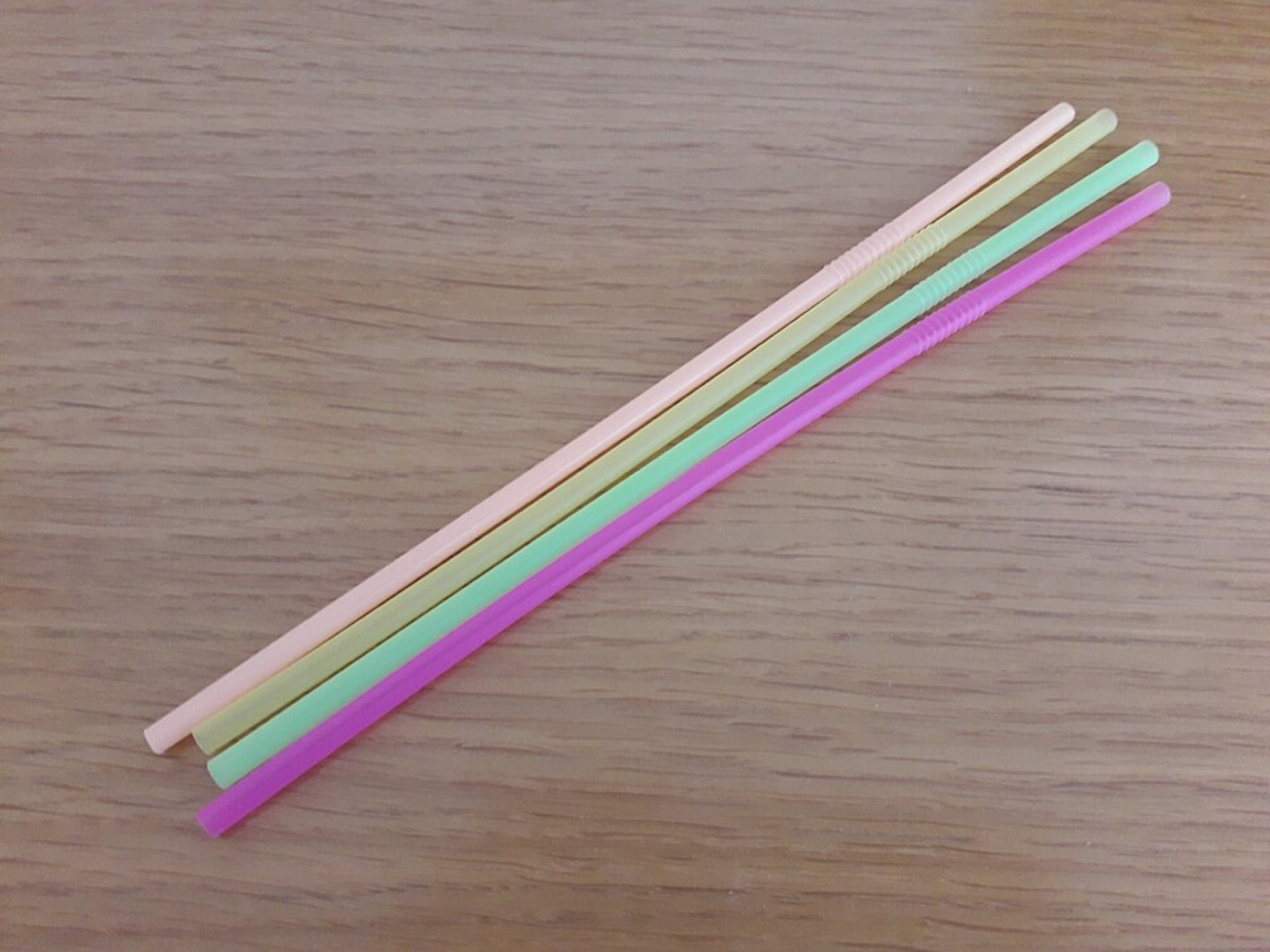
Straws are light but bulky. For domestic wholesale, you often see free or flat‑rate ground shipping at certain order thresholds, which keeps the delivered cost predictable. Cross‑border shipments add overseas freight and potentially longer transit times; those costs depend on the seller’s method and your location.
- Duties, tariffs, and customs fees
- Payment and marketplace fees
Depending on channel, you may pay card processing fees, marketplace commissions (for sellers), or currency conversion costs on cross‑border orders. As a buyer, this mostly shows up as slightly higher effective prices for international marketplace listings or in your card/bank statement.
Putting those together, the pattern is:
Small packs (100-200 straws): higher unit price, but low upfront spend and cheaper storage. Large cases (1000+ straws): much lower per‑unit price, but higher single‑order cost and more storage space—and any duties or shipping fees spread across more units, which is good for unit economics.
Why the Same 12mm Straw Can Cost Double: MOQ, Customization, Material, and Timing
If you compare listings side by side, apparently similar 12mm straws can be priced very differently. Four levers usually explain the spread:
Minimum order quantities (MOQ) and pack size
Suppliers almost always reward bigger commitments. Domestic and cross‑border wholesalers often advertise tiered discounts at the pack or case level, so a 3000‑count 12mm straw case may come in significantly cheaper per straw than three separate 1000‑packs. On marketplaces, you see this indirectly through larger packs having a less‑than‑linear jump in price compared to small ones.
For US beverage businesses, the trade‑off is cash flow and storage versus unit cost. If you’re moving hundreds of boba drinks per day, case‑level MOQs are usually economical. If you’re an online store bundling straws with tumblers, you may prefer mid‑size packs despite the higher unit price.
Material and straw type
Wholesale suppliers commonly vary price by:
Material: standard plastic usually prices below paper, biodegradable, or premium reusable materials like stainless steel or glass. Specialty sites such as drinking-straw.com explicitly market eco‑friendly 12mm bubble tea straws, which carry a higher materials cost than basic plastic. Diameter: 12mm “boba” straws cost more than standard 6-8mm drink straws because they use more material and target a niche use (tapioca pearls, chunky smoothies). * Tip and shape: sharp‑ended straws for piercing sealed boba cups, or telescoping/spiral novelty shapes, often carry a premium over straight cut straws.
The same logic applies to covers. Simple dust caps are cheaper than large decorative toppers, and food‑grade silicone usually costs more than basic plastic.
Custom colors and branding
Custom printing (your logo on individual wrappers or covers, specific brand Pantone colors) typically adds setup costs and minimum order requirements. Per‑straw pricing may jump if you add branding to the wrappers or require multiple colors in one run.
If your priority is rock‑bottom cost, stick to stock colors (black, clear) and unprinted covers. Use external packaging or cup branding instead of straw printing.
Seasonality and demand spikes
High‑volume periods—summer smoothie season, the months when bubble tea chains roll out promotions, or holidays with heavy party supply buying—can temporarily tighten supply for certain straw formats. In those windows, some sellers raise prices, reduce discounts on smaller packs, or run out of the cheapest variants.
If you have storage space, buying core straw and cover inventory in your off‑peak months can blunt these spikes.
Choosing the Cheapest Viable Channel and Cutting Total Spend
You have three main channel types for 12mm plastic straws and covers: domestic wholesalers, general marketplaces (Amazon, similar), and cross‑border marketplaces/wholesalers. None is universally cheapest; each suits a different pattern of demand and risk tolerance.
Quick cost view by channel
Here’s a compact, editorial snapshot of how costs typically behave:
| Channel type | Typical pack/case structure | Pricing pattern | Best fit scenarios |
|---|---|---|---|
| US domestic wholesale (boba/smoothie suppliers, restaurant distributors) | 100‑count sleeves, 500-3000‑count cases of 12mm straws; covers often bundled or sold in small sets | Strong case discounts; shipping often cheaper or flat‑rate for US buyers; fewer customs hassles | Brick‑and‑mortar beverage shops, cafes, bubble tea stores needing predictable replenishment and lower landed cost per straw |
| Amazon-style marketplaces | 100-1600 jumbo smoothie/boba straws; 4-12 large covers per set; often consumer‑packaged | Competitive sticker prices; shipping baked into price or shown at checkout; limited case‑level discounts | Small ecommerce brands, home businesses, or testing new sizes/colors in modest volumes |
| Cross-border marketplaces/wholesalers | 100-500 piece packs common for plastic straws; specialized covers/topper sets; some sellers offer larger bulk options | Pre‑shipping pack prices often in ~$10–$45 band for 100-500 plastic straws; bigger packs tend to lower unit cost but require you to add overseas shipping and any duties | Businesses sourcing specific styles, colors or formats not widely available domestically, or trialing suppliers ahead of larger imports |
DHgate as a cross‑border price example (not a guarantee)
DHgate is one cross‑border marketplace carrying bulk plastic straw listings and straw accessories. On 2026-09-24, several examples illustrate typical behavior:
100pcs multicolor disposable plastic straws in the “Disposable plastic straws” category priced around $9.75–$10.04 per 100‑pack (example listing). 50/100pcs transparent plastic straws for coffee/milk tea shops listed around $16.56–$16.98 per pack (example). Buying the 100‑piece option lowers unit cost compared to 50 pieces, even though the sticker price is higher. 500pcs plastic straws for bar/party use sat around $45.51–$46.69 (example), which works out to a lower price per straw than those 100‑piece offerings. Silicone straw covers (here for 8mm straws) priced around $25.73–$27.20 for a pack (example), showing how accessory items can carry different price dynamics than basic straws.
If you’re comparing DHgate against sites like Alibaba or AliExpress for straw sourcing more broadly, the marketplace‑level tradeoffs are covered in this comparison of major marketplaces.
Practical ways to cut your total spend
Once you understand the cost structure, you can pull a few concrete levers:
1. Match pack size to real throughput Estimate your weekly drink volume and buy enough straws and covers for 4-6 weeks at a time. That’s often the sweet spot where you unlock case discounts without over‑paying for storage or risking style/regulation changes.
2. Prioritize material and diameter fit over aesthetics For budget buyers, a standard 12mm plastic straw in black or clear is typically cheaper than colorful, printed, or eco‑alternatives. As long as the straw is food‑grade and sized correctly for your drinks, you can keep margins higher and use cup branding, sleeves, or signage for visual impact.
3. Use domestic cases for core volume, cross‑border for add‑ons
4. Time bulk imports to your off‑peak months If you decide to import large volumes of straws or covers, place those orders during slower periods so you’re not paying peak‑season pricing or express freight premiums. You’ll also have more flexibility to absorb customs clearance delays.
5. Factor customs and fees before you “chase” a lower unit price A cross‑border listing that looks cheaper per straw can become more expensive than a domestic case once you layer in freight and duties. Use the landed‑cost mindset explained in the import‑fees guide linked above, and price out two or three realistic scenarios before you switch channels.
By treating 12mm plastic straws and covers as a low‑margin packaging input—where channel and pack size matter more than chasing tiny unit price differences—you’ll usually end up with a cheaper, more reliable supply for your US beverage or ecommerce business.