
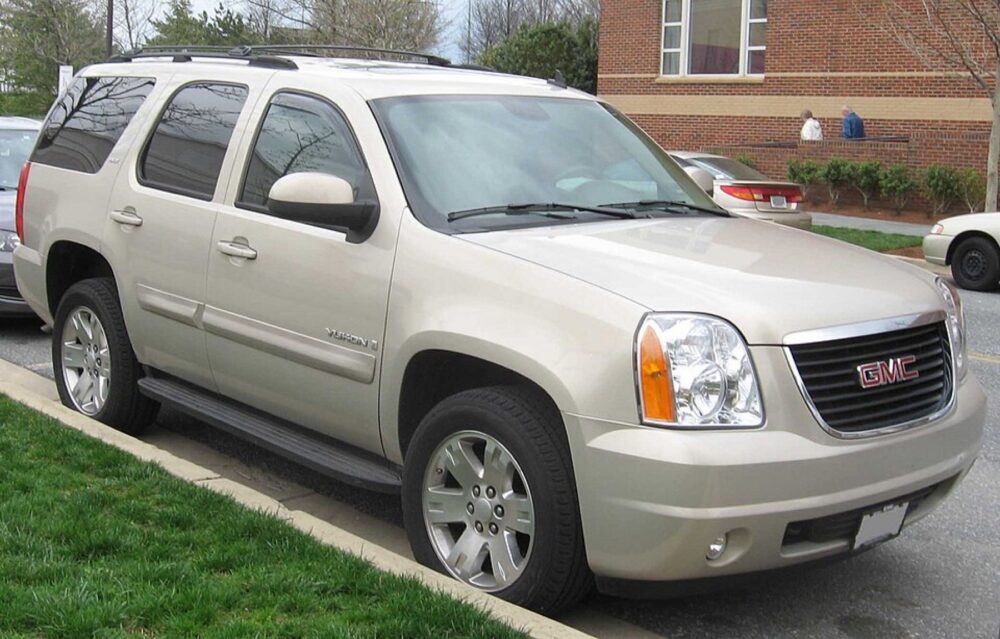
If you own or resell for a GMC Yukon or Yukon Denali, your wheel choices usually break into three buckets: genuine GMC wheels from a dealer or official accessories site, factory-style reproduction or replica wheels from specialist retailers, and broader marketplaces where you’ll find both new and used sets. Most Yukon and Denali buyers stay close to OEM or OEM-style designs because they’re proven to fit, keep the ride quality of a full‑size SUV, and preserve the upscale look—especially on Denali trims.
Before you spend on a set, you need two things: the exact specs for your model year and trim, and a clear sense of whether you want a true OEM wheel or are comfortable with a high‑quality replica or aftermarket style.
What counts as a compatible wheel for a GMC Yukon or Yukon Denali?
For a Yukon or Yukon Denali, a “compatible” wheel isn’t just any 20-22 inch rim with a similar look. It has to match core fitment specs (bolt pattern, diameter, width, offset, center bore, and load rating) that GMC engineered for the chassis, brakes, and suspension of this SUV.
In practice, most late‑model Yukons and Denalis use large‑diameter alloy wheels, and many buyers either stick with the factory diameter or move up slightly within GMC’s own option range. GMC’s current build‑and‑price tool for the Yukon shows multiple wheel options, including 22″ multi‑spoke gloss black wheels and 22″ polished aluminum wheels, which gives you a clear sense of the sizes and styles GMC considers safe on this platform.
If you want to stay close to that factory baseline, you’ll be looking at:
- OEM wheels: wheels sold under the GMC/GM parts system, typically via a dealer or official accessories site.
- OEM‑style or replica wheels: wheels built to mimic factory designs and specs, sold by independent wheel retailers.
- Aftermarket custom wheels: unique designs that may differ more in offset or width and can change stance and ride feel.
Most daily‑driver Yukon and Denali owners, and many small resellers, prefer OEM or OEM‑style because:
- Fitment is more predictable and often explicitly listed as “fits GMC Yukon”.
- The styling matches Yukon/Denali trim packages, which helps resale value.
- You avoid surprises with brake clearance and tire pressure sensor compatibility that are more common with aggressive aftermarket choices.
You still must verify fitment for your exact model year and trim with the seller or a knowledgeable shop; no listing is a safety guarantee.
Common Yukon and Denali wheel sizes, styles, and finishes
Yukon and Denali trims lean heavily toward large, premium alloy wheels. That affects both how the vehicle looks and how it rides.
On current models, GMC’s own configurator surfaces multiple wheel choices in the 22″ range, including:
- 22″ multi‑spoke gloss black: an aggressive, blacked‑out look that pairs well with darker paint and “sport” or Elevation‑style packages.
- 22″ polished aluminum: a brighter, luxury‑oriented finish that matches Denali’s chrome and satin accents.
Those factory examples mirror what you’ll see in the aftermarket:
- Diameter: 20″ wheels are common on non‑Denali trims; 22″ wheels are very common on Yukon Denali and as upgrades on other trims.
- Width and stance: Many OEM‑style replicas keep stock width to preserve ride quality. Wider, deep‑lip wheels tend to be more aftermarket‑oriented.
- Finish: gloss black, satin/graphite, and polished or machined aluminum are standard choices. Denali owners often gravitate to polished or high‑end machined finishes; SLT or Elevation buyers may prefer gloss black.
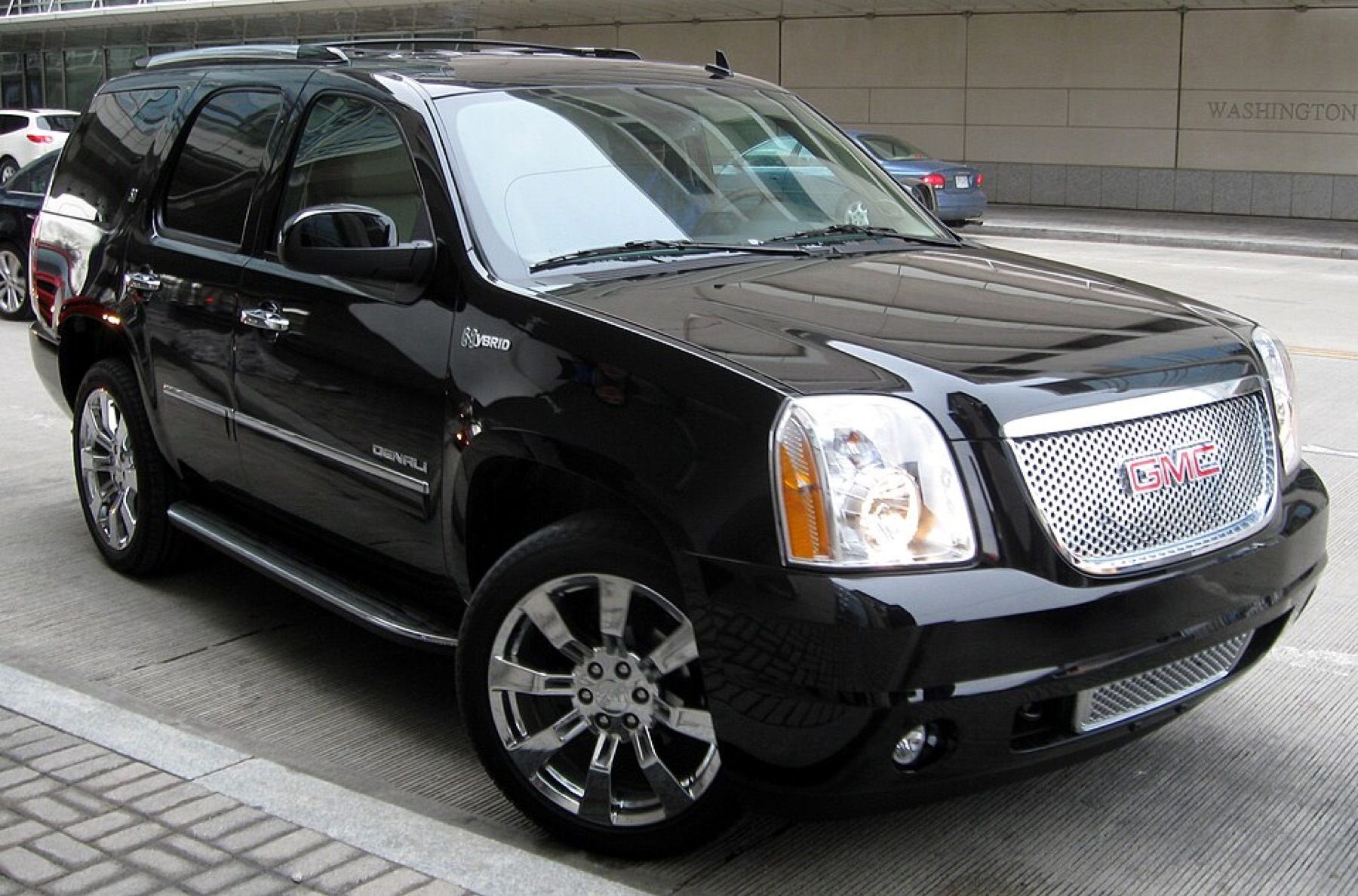
For a visual reference, think of a standard Yukon versus a Denali with upscale factory wheels:
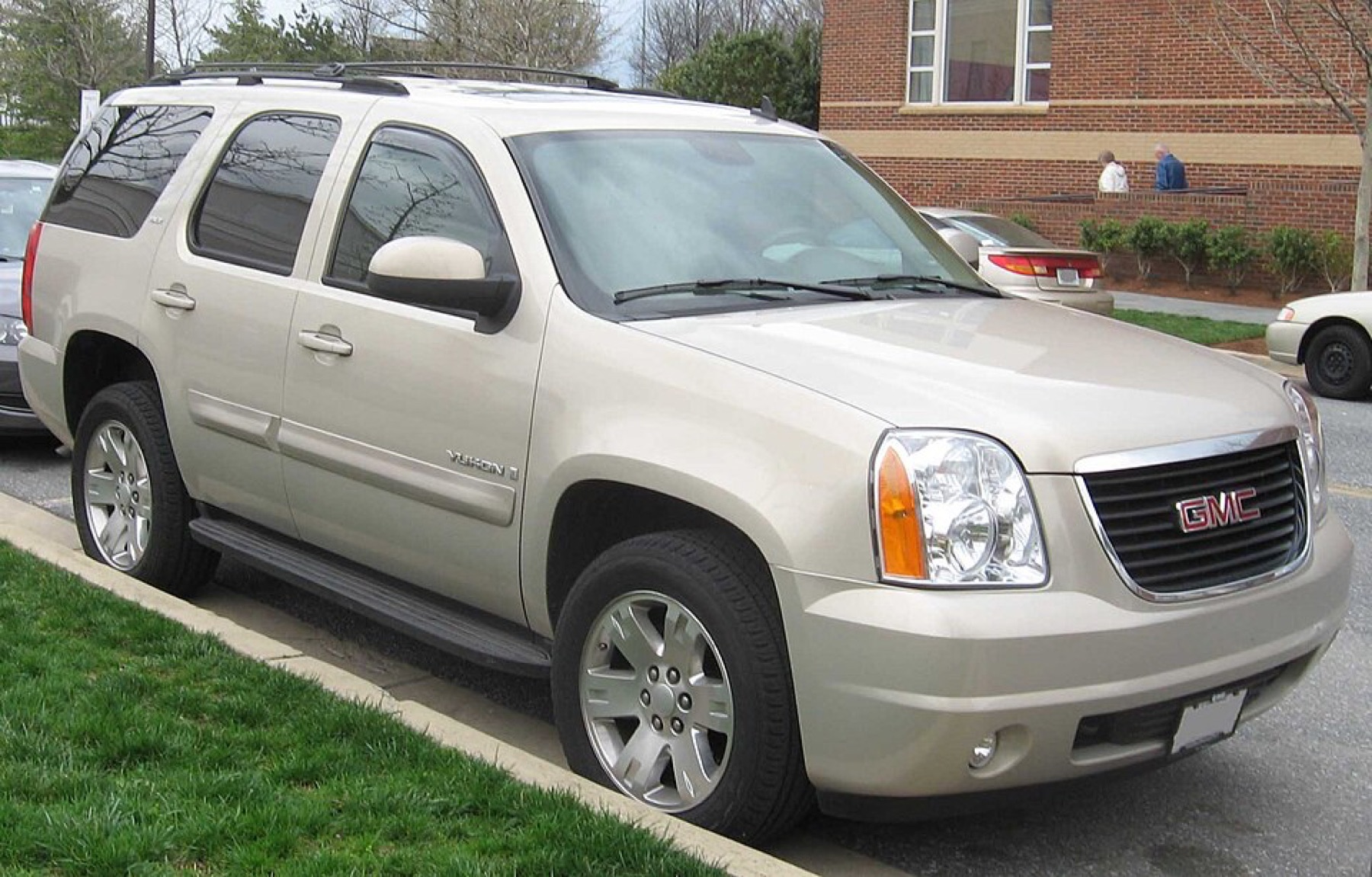
Ride quality and tire choice track closely with diameter. Larger wheels (22″) typically run lower‑profile tires, which sharpen steering feel but can make impacts harsher and increase curb‑rash risk. If you’re sourcing wheels for customers—or stocking sets for resale—decide whether they care more about the “Denali‑style” stance or about comfort and tire replacement costs.
For Denali‑level style, many buyers aim for multi‑spoke or intricate designs in 20-22″ with gloss black or polished finishes, echoing the factory options.
Where to buy OEM and OEM-style Yukon/Denali wheels in the US
Once you know your target size and look, the real decision is which channel to buy from. Each has different trade‑offs for individual owners versus small ecommerce sellers.
Main US channels for Yukon/Denali wheels
Here’s a practical overview of where these wheels show up and what each path is good for:
| Channel type | What it sells for Yukon/Denali | Typical use case | Key trade‑offs |
|---|---|---|---|
| GMC dealer / accessories site | Genuine OEM GMC wheels and wheel components | Owners wanting factory‑correct replacements or upgrades | Highest authenticity and integration; limited styling variety and usually higher pricing |
| OEM‑style wheel specialists | Aftermarket, replica, and OEM‑style wheels labeled to fit Yukon | Style upgrades that still look factory; inventory for resellers | Good selection of Yukon‑specific designs; must confirm specs and brand quality |
| Tire & wheel package shops | Wheel + tire sets, often including OEM GMC wheels for SUVs | One‑shot upgrade with mounted/balanced set | Convenient packages; may mix OEM and aftermarket components |
| Factory‑style replacement sellers | Reproduction alloy/steel wheels in factory designs | Replacement for damaged OEM wheels at lower cost | Focused on factory look; confirm model‑year coverage |
| OEM wheel refinishing/replacement shops | Genuine or reconditioned OEM GMC wheels, including Yukon/Denali | Restoring or upgrading to high‑end OEM designs | Good for like‑new OEM appearance; typically limited runs |
| Marketplaces (e.g., eBay) | New and used wheel sets advertised for Yukon/Denali | Budget replacements or hunting rare OEM sets | Wide variety but variable quality; fitment and authenticity are on you |
Dealer and official GMC accessories
If you want guaranteed genuine GMC wheels and a parts catalog that matches your VIN, dealer sites and the official GMC accessories portal are the most straightforward path. The GMC accessories wheels and components section lists items like rims, center caps, and sensors specifically for GMC vehicles.
This route suits:
- Owners replacing a single damaged wheel and wanting an exact match.
- Buyers who care about avoiding replicas entirely.
You trade broader style choice and price flexibility for authenticity and integration with the GM parts system.
OEM-style and replica wheel specialists
Specialist wheel retailers focus on vehicles like the Yukon and Yukon Denali and stock aftermarket, replica, and OEM‑style wheels clearly labeled to fit these models. One example is OE Wheels’ GMC Yukon collection, which groups wheels by Yukon fitment.
For an individual buyer, this can mean:
- More styles that still echo factory designs.
- Options in both gloss black and polished or machined finishes.
For a small ecommerce business, these sites can be a source of repeatable inventory you can resell as “Yukon‑style” or “Denali‑style” without paying dealer OEM pricing. You still need your own fitment checks and a clear description so customers understand these are not genuine GMC parts.
Tire and wheel package shops
US‑based tire/wheel package shops sell mounted and balanced sets that often include OEM GMC wheels for SUVs like the Yukon and Sierra/Denali. The GMC section at Texas Truck Tire is an example of this kind of retailer.
This route is attractive if you:
- Want to upgrade wheels and tires together.
- Prefer a shop to handle matching tire sizes and load ratings.
For resellers, package shops are less ideal as wholesale sources, but they can be useful benchmarks for popular wheel/tire combos customers may ask for.
Factory-style reproduction and OEM wheel-focused sellers
You’ll also find businesses that specialize in factory‑style replacement wheels—reproduction alloy and steel wheels in OEM designs—aimed at GMC trucks and SUVs. Factory Wheel Replacement’s GMC collection is one example.
Separately, OEM wheel refinishing and replacement shops focus on genuine‑style wheels for nameplates including Yukon and Yukon Denali. The Wheel Exchange’s GMC lineup illustrates this niche, highlighting OEM GMC wheels and refinished sets.
These channels work well for:
- Replacing damaged OEM wheels with visually matching units at a potentially lower cost.
- Upgrading a non‑Denali Yukon to a Denali‑style OEM wheel design.
Again, treat model‑year coverage and condition as details to confirm on a per‑listing basis.
Marketplaces and used OEM resellers
Finally, general marketplaces carry a wide spread of new and used wheels advertised to fit the Yukon and Denali, often in the popular 22″ sizes. On eBay’s “Wheels for GMC Yukon” section, you’ll see listings for sets described as “22” GMC Sierra Yukon Wheels 6×139.7 Denali” and similar.
This path is best if you’re:
- Hunting for a discontinued OEM design or a budget used set.
- Comfortable doing your own verification of bolt pattern, offset, and authenticity.
Marketplace listings can be good value, but there’s no built‑in guarantee that a wheel is truly OEM or that it will fit your exact Yukon. Use them as options, not assumptions.
Whether you’re buying for your own Yukon/Denali or stocking wheels for customers, start with your trim and year, decide on a target diameter and finish (often 20-22″ in gloss black or polished aluminum), then choose the channel whose trade‑offs fit your budget and risk tolerance. OEM and OEM‑style paths tend to be the safest bets for this SUV; marketplace and custom aftermarket choices offer more variety but demand more fitment homework.