
Dropshipping inventory management is about managing data, not boxes. You don’t own the stock, but you still own the promise you make to customers. The job is to keep your store synced with each supplier’s real inventory and lead times, so you don’t oversell, cancel orders, or ship weeks later than expected. For a small US ecommerce business using overseas suppliers, that usually means: reliable stock feeds, clear rules for what you list, and a backup plan when a supplier runs dry.
How Dropshipping Inventory Management Really Works
In a traditional store, inventory management means counting what’s on your shelves and deciding when to reorder. In dropshipping, the “inventory” you manage is:
- Your supplier’s stock levels and backorder status
- Their handling time (how fast they dispatch)
- Transit time to your customer
- Your catalog: which SKUs you offer, where, and with what promises
Industry guides describe dropship inventory management as keeping your store synchronized with supplier inventory data so you only show items that are actually available. For example, Brightpearl’s overview of dropshipping inventory management emphasizes integrating supplier stock data with your store so you avoid selling unavailable items.
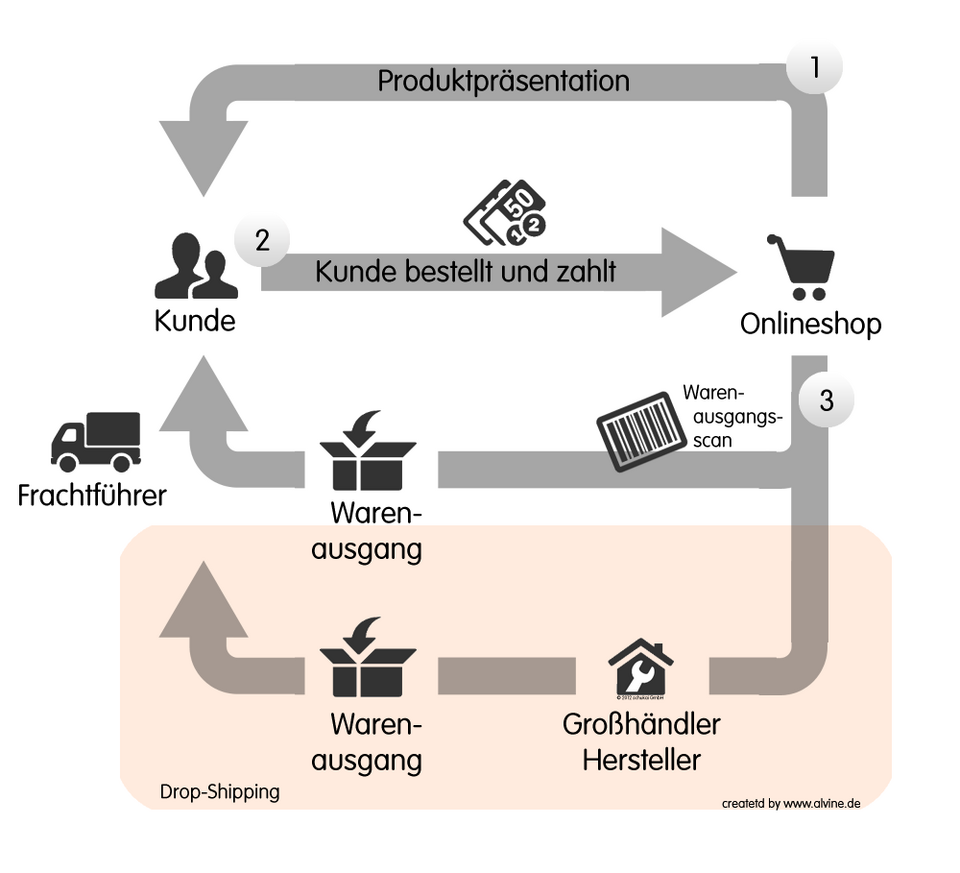
Think of it as a loop:
- Supplier updates stock and lead times.
- Your system ingests that data (via feed, app, API, or manual check).
- Your store adjusts availability, price, and shipping estimates.
- Orders flow back to the supplier, who ships to your customer.
If any link breaks, you get problems: overselling, long delays, or products that quietly disappear from the catalog while you keep marketing them.
Designing Your Dropship Supplier and Stock Data Setup
You can’t manage inventory well if the supplier relationship is shaky. Industry advice consistently stresses two things: do real supplier research and don’t rely on a single source.
1. Vet suppliers for inventory reliability
When you’re evaluating a potential dropship partner (whether it’s a domestic wholesaler or a cross‑border factory), go beyond price. Ask very specific questions about inventory:
- Update frequency: How often do they update their stock feed or portal? Hourly, daily, weekly?
- Feed format: Do they offer CSV, API, or an app connection to your platform?
- Stockout behavior: When an item sells out, do they mark it out of stock, backordered with a date, or quietly leave it listed?
- Catalog churn: How often do SKUs get discontinued or replaced?
If the answers are vague, treat that as a red flag and limit those products in your catalog until you see how they perform.
2. Diversify suppliers for risk control
A common best practice is to avoid putting all your traffic on one supplier. For dropshipping, diversification can mean:
- Having two suppliers for a critical category (e.g., phone cases, kitchen gadgets), but only listing SKUs where you’re sure who fulfills which orders.
- Using backup listings: if Supplier A runs out of a bestseller, you have a similar product from Supplier B that you can promote instead.
You don’t need ten partners on day one, but you should design your catalog so losing a single supplier doesn’t shut down an entire product line.
3. Keep your catalog tight and well‑mapped
Inventory problems explode when you try to list thousands of SKUs from a new supplier with no process. Start with a scoped catalog:
- Pick a few dozen products with consistent demand and watch their stock patterns for a month.
- Record average lead times and how often they go out of stock.
- Tag each product internally with its supplier, handling time, and any substitution rule.
Scenario: If you sell pet accessories and your overseas supplier’s data shows leashes frequently go out of stock for weeks, you might:
- Keep leashes as a smaller catalog slice.
- Use conservative shipping promises.
- Plan to move your best‑selling leash SKU into your own inventory later.
4. A lightweight onboarding workflow for new suppliers
Every new dropship supplier should go through the same simple process:
- Technical check – Confirm how you’ll receive stock data (portal, feed, app). Try a test import.
- Policy check – Clarify handling times, cut‑off times, and what happens on stockouts (cancel vs. backorder).
- Trial catalog – Launch a limited set of products with conservative shipping estimates.
- Monitor – For the first 30-60 days, track: late shipments, out‑of‑stock incidents, and catalog changes.
- Scale or shrink – If they’re accurate and timely, scale up; if not, confine them to low‑stakes products or pause the relationship.
That workflow is much more important than squeezing another 3-5% margin out of the first order.
Tools, Channels, and When to Blend Dropship with Owned Stock
Once your supplier setup is sane, tools help you keep everything in sync as you grow. That becomes crucial if you sell on multiple channels like your own site, marketplaces, and social commerce.
Automation and multi‑channel inventory tools
Many inventory management tools can track stock levels, send alerts, and integrate with online marketplaces. DHgate’s editorial blog, for example, describes inventory software that can track stock across channels, alert you when to reorder, and synchronize inventory with marketplaces such as DHgate via multi‑channel features. This is presented as one way to keep listings and quantities aligned across platforms.
Here’s how these tools typically help a small dropshipper (regardless of marketplace):
| Capability | Why it matters for dropshipping |
|---|---|
| Central stock dashboard | See all supplier‑linked SKUs and their status in one view |
| Low‑stock/lead‑time alerts | Catch issues before marketing campaigns go live |
| Multi‑channel sync | Reduce the risk of selling the same last unit across two platforms |
| Basic analytics | Spot products that should move to owned stock |
DHgate is just one example marketplace in this picture. The real decision is whether a tool can talk to the channels you actually use and ingest inventory data from your suppliers.
Syncing across channels to avoid overselling
DHgate’s editorial guidance highlights a general risk: if you sell on multiple platforms and don’t synchronize inventory, you either oversell or understock. In dropshipping, this risk is worse because your suppliers may be selling the same inventory to other retailers.
Practical guardrails:
- Channel‑specific stock limits: If you can’t get reliable real‑time sync, cap available quantities per channel (e.g., list only 5 units on each marketplace for a product that shows 25 in stock).
- Buffer stock: Treat part of the supplier’s reported inventory as untouchable buffer to absorb timing mismatches.
- SKU discipline: Avoid listing a single physical SKU under many slightly different variants across platforms; it’s harder to match stock accurately.
When a dropship SKU should move into your own inventory
You don’t have to stay 100% dropship forever. Mixing dropshipping with a few owned SKUs can stabilize your business and improve margins.
Signals that a product should move from dropship to owned stock:
- Consistent demand – Orders every week for at least several months.
- Repeated stockouts or slow fulfillment – The supplier runs out or ships late often enough to hurt reviews.
- Strong margin – After factoring in shipping and fees, you have room to buy and store it yourself.
A simple playbook:
- Use your inventory tool or sales reports to identify top sellers with good margins and frequent stock issues.
- Ask your supplier about bulk pricing and typical lead time for larger orders.
- Bring in a small initial batch (e.g., a few weeks of expected demand) to a US‑based location—this can be your garage, a small 3PL, or a local warehouse.
- Update your listings so that orders for that SKU ship from your own stock, while the rest of the catalog stays dropship.
This hybrid model keeps most of your catalog capital‑light while turning your best products into dependable, brand‑building experiences.
Example workflows: single vs. multi‑supplier setups
You can combine the ideas above into practical workflows.
Single‑supplier store (starter phase)
| Element | How you handle it in starter phase |
|---|---|
| Supplier count | One overseas supplier, tight catalog |
| Inventory sync | Manual or simple app‑based sync once or twice per day |
| Shipping promises | Conservative timelines and clear stockout messaging |
| Main goal | Validate demand and supplier reliability |
Multi‑supplier store (growth phase)
| Element | How you handle it in growth phase |
|---|---|
| Supplier count | 2-4 suppliers, each owning distinct categories |
| Inventory sync | Inventory tool as hub: imports feeds and updates all channels |
| Stock strategy | Bestsellers in each category gradually moved into your own inventory |
| Risk control | Substitution rules: if Product X from Supplier 1 is out, promote Y from Supplier 2 |
Putting it together for a small US dropship business
For a small US ecommerce seller, good dropshipping inventory management is less about buying software and more about designing a process:
- Treat supplier stock and lead times as core data you manage, not background noise.
- Choose suppliers whose feeds and behaviors you can trust—and diversify enough to survive a disruption.
- Use tools that genuinely connect your suppliers and sales channels, whether that includes marketplaces like DHgate or not.
- Be ready to bring your most important dropship SKUs into your own inventory once you see stable demand and recurring supplier issues.
That’s how you build a dropship operation that feels reliable to customers without tying up all your cash in a warehouse.