
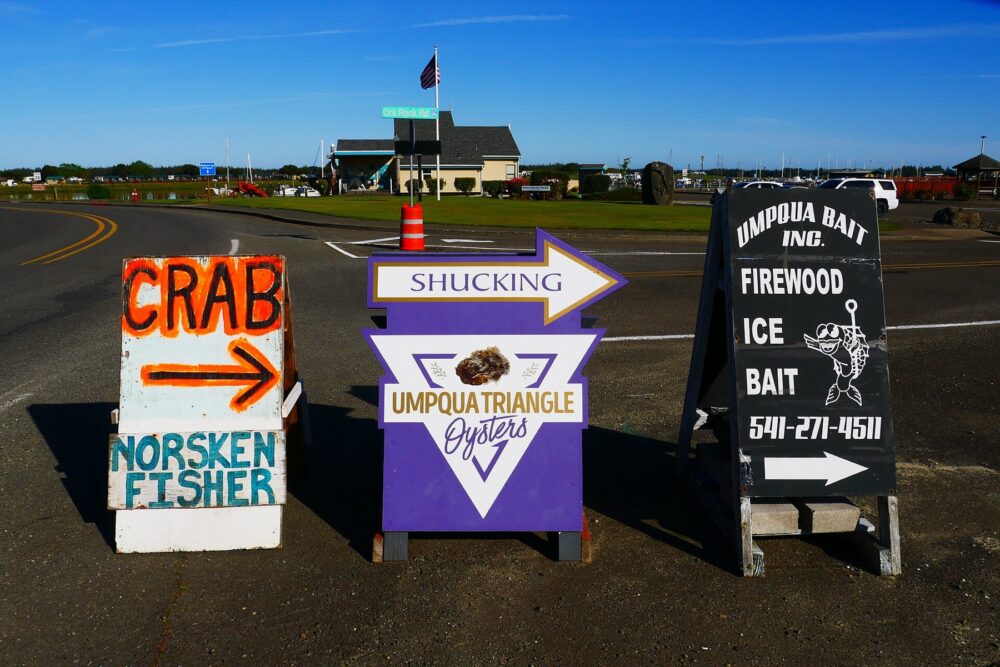
For most US buyers, Amazon is the fastest, easiest place to grab one or a handful of A‑frame signs and basic frames. You’ll find heavy‑duty outdoor sandwich boards and frame‑only holders in metal or plastic, usually double‑sided and sized for common poster formats. That convenience is hard to beat for a single storefront or pop‑up event. But if you need dozens of signs, very specific customization, or the lowest possible unit cost, other marketplaces — and sometimes cross‑border suppliers — can be more competitive.
The smartest way to decide is to first get clear on what a “good” A‑frame means for your use case, then map those needs against what Amazon and its rivals actually offer.
What counts as a good A‑frame sign or frame for US buyers?
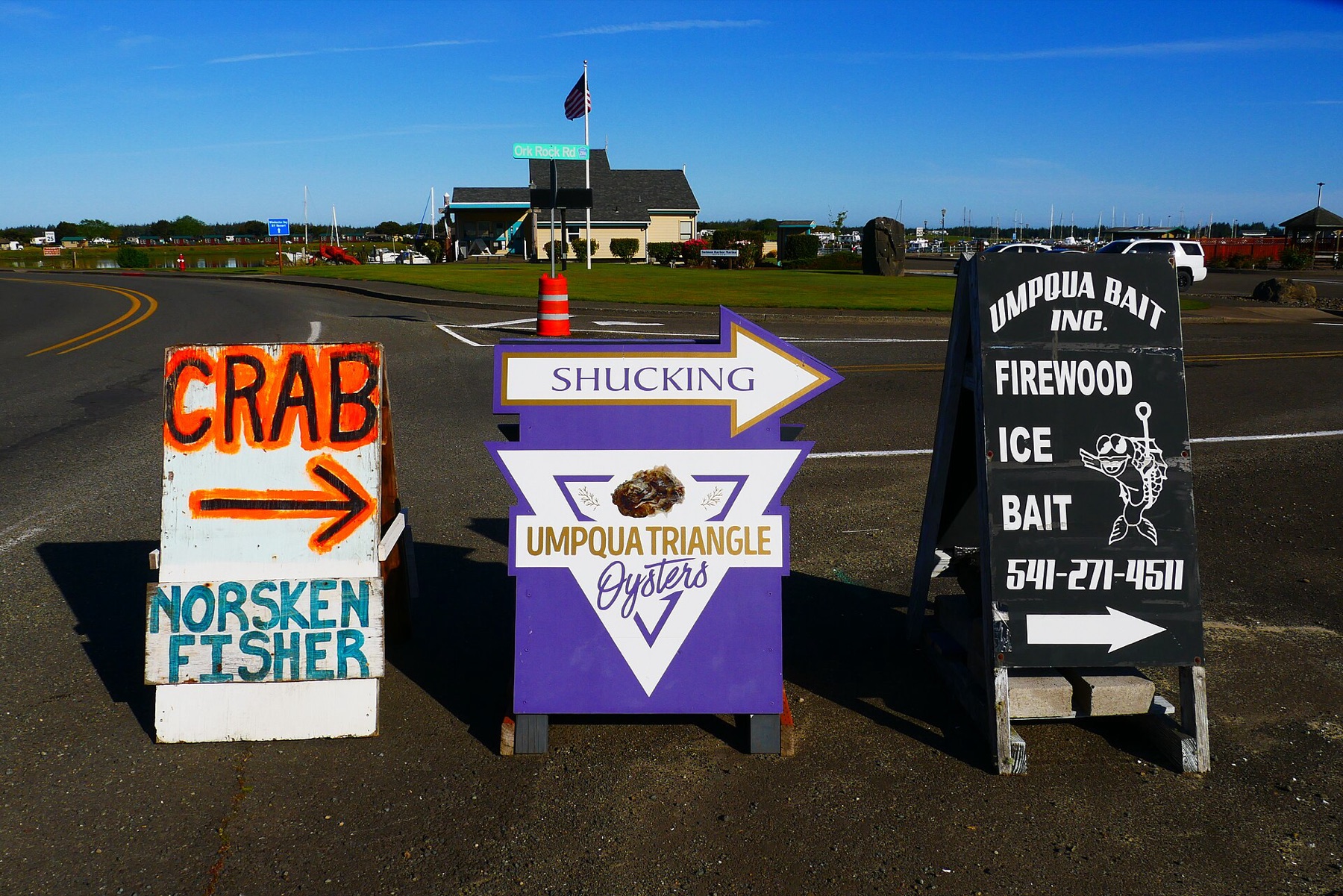
A‑frame signs are those folding sidewalk boards you see outside coffee shops, salons, open houses, and event venues. A good one for US business use has a few concrete traits:
1. Material and durability
Most everyday A‑frames are either plastic (often fillable with sand or water) or metal (steel or aluminum). Plastic is lighter and often cheaper; it resists rust but can look less premium. Metal feels sturdier and more upscale, but cheap paint or thin tubing can chip and bend. If you’re in a windy or wet climate or plan to keep the sign outside daily, prioritize heavier material and weather‑resistant finishes.
2. Stability and base design
Wind is the enemy of sidewalk signs. Better boards have wide legs, locking hinges, and sometimes weightable bases or fillable panels. For a shop on a busy street, a fillable or weighted A‑frame reduces the chance of the sign tipping into traffic or pedestrians.
3. Size and print area
Common sizes roughly match poster standards (for example, in the neighborhood of 18×24 or 24×36 inches), which makes printing inserts cheaper. Your decision: do you want something big enough to be read from a passing car, or a more compact sign for tight indoor corridors and trade show aisles?
4. Insert vs printed panel
Frames that accept interchangeable posters or inserts are more flexible — you can switch promotions without buying a whole new sign. Fully printed boards are cleaner visually and harder to tamper with but lock you into a single message.
5. Double‑sided visibility
Most A‑frames are double‑sided. You still want to check that both sides are equally visible and usable. For events and markets, having different messages on each side (e.g., schedule one way, sponsor logo the other) can be a real plus.
Quick buyer checklist:
- Where will the sign live: indoors, sheltered sidewalk, or fully exposed street corner?
- How often will you change the graphics: once a year, monthly, or daily?
- Do you need the sign to match a brand aesthetic (black metal, wood‑look, bright plastic)?
- Are you buying one sign or outfitting multiple locations?
Answering those questions makes the Amazon vs other marketplace decision much clearer.
What Amazon actually offers for A‑frame signs and frames
If you search Amazon for A‑frame signs, you’ll see a mix of heavy‑duty outdoor sandwich boards, basic frame‑only holders, and sometimes bundles that include printed inserts. Many of the boards are described as double‑sided and aimed at business use outside cafes, offices, and events.
You also see Amazon’s broader frame ecosystem in action: its Best Sellers list for picture frames is full of affordable black frames popular with US home and decor buyers, suggesting that Amazon is already a go‑to for basic framing across categories. You can browse that selection via Amazon’s Best Sellers in picture frames.
That same dynamic applies to signage — lots of lower‑priced options and midrange brands built around shipping convenience.
Typical Amazon A‑frame patterns:
- Materials: Plastic and metal dominate. Outdoor boards often highlight “heavy duty” or “commercial” use, while lighter frames target indoor posters and menus.
- Formats: Frame‑only A‑frames that hold your own posters, boards that come with blank panels you can write on, and a smaller number of listings with printed graphics included.
- Price positioning: Based on the broader frame and home‑goods context, Amazon tends to cluster in the affordable to midrange band, with many buyers using reviews to judge whether inexpensive boards feel sturdy enough for real business use.
Amazon strengths for US signage buyers:
- Fast access to 1-3 signs with minimal friction.
- A wide mix of styles (black metal, white plastic, wood‑look) suitable for different storefront aesthetics.
- Lots of user reviews and Q&A, which help you gauge real‑world sturdiness or wind resistance.
Limitations:
- Truly heavy commercial boards and specialty sizes can be harder to find among the more consumer‑oriented listings.
- Custom printing, logo matching, or unusual color requests usually require going to a separate print provider, not just clicking “buy” on Amazon.
- Bulk discounts beyond a handful of units are inconsistent; many sellers focus on small quantities.
How Amazon compares with other marketplaces and when to look beyond it
You’re not choosing between a single platform and a void. For A‑frame signs and related frames, US buyers typically toggle between Amazon and a mix of physical stores and online marketplaces.
Here’s a compact way to think about it:
| Channel type | Where it tends to win for A‑frames and frames | Where it’s weaker |
|---|---|---|
| Amazon | Small orders, fast delivery, lots of affordable options | Deep customization, consistent bulk pricing |
| Big‑box stores (Target, etc.) | In‑person quality check, on‑trend decor frames, some signage | Limited selection per store, online signage often narrower than Amazon |
| Craft/home stores | Budget frames, DIY signage components | Fewer ready‑made A‑frame boards for outdoor retail |
| Design/print specialists | Custom printed boards, brand‑matched colors and materials | Higher unit cost, longer turnaround times |
| Cross‑border marketplaces | Wide range of acrylic display frames and stands, bulk potential | Longer lead times, more supplier vetting needed |
DHgate’s own editorial has described Target’s frame department as varied and affordable, while criticizing its online experience as less polished than in‑store. That general pattern holds across big‑box players: if you want to physically pick up and inspect a frame or lightweight board, they’re useful, but the online signage selection won’t rival Amazon’s breadth.
DHgate’s blog also suggests that budget‑friendly frames are widely offered by craft and home‑goods stores and by online retailers such as Amazon, Wayfair, and Etsy. Those channels can be good for pairing picture frames and tabletop displays with your A‑frame signage — for example, frames for cafe menus or photo stands on a trade‑show table.
Amazon vs other channels in practice
- Single, fast purchase: Amazon generally wins when you need a couple of A‑frames quickly and can live with standard sizes and colors.
- Seeing quality in person: Big‑box and home‑goods stores help when you care more about how the frame looks and feels than about having dozens of options.
- DIY or creative setups: Craft stores offer raw materials, smaller tabletop frames, and easels that you can assemble into custom signage.
- Brand‑heavy signage: Design and print specialists come into play when you need color‑matched, logo‑specific signs across multiple locations.
Where cross‑border sourcing enters the picture
For larger or more specialized projects, some US buyers start looking at cross‑border marketplaces. You’ll find, for instance, acrylic desktop display frames and table card sign holders on DHgate that could be repurposed as price tag stands, tabletop directional signs, or mini menu holders.
A query‑time snapshot taken on 2026-09-23 shows an “Acrylic Desktop Display Frame TableCard Sign Collection Photo Protection Holder Magnetic Album Postcard Souvenir Display‑Stand” in the home and garden category, with a listed price range between 11.01 and 18.10 USD across sizes. You can inspect that product via this DHgate acrylic desktop display frame listing.
That kind of sourcing makes sense when:
- You’re ordering in bulk for multiple locations or events.
- You’re comfortable consolidating freight and planning weeks ahead.
- You want specific acrylic display forms that aren’t easy to find in US retail.
It does add work: you have to evaluate each supplier individually, check product descriptions carefully, and treat prices and availability as changeable, not guaranteed.
Scenario‑based guidance
Single storefront or pop‑up event You need 1-3 outdoor A‑frames plus maybe a few simple frames for menus. Amazon is usually the most practical first stop: you can compare plastic versus metal boards, read reviews on wind stability, and match black frames to your interior decor without visiting multiple stores.
If you also want more decorative frames or small tabletop signs, mixing in craft or home‑goods stores can help you match textures and finishes.
Gallery wall or interior brand refresh with some signage If you’re refreshing a space and want both art frames and a couple of indoor A‑frames or poster stands, it’s reasonable to mix channels. Use Amazon for the broad frame selection that home and decor buyers already favor, and consider Target or similar stores if you want to see quality in person before committing to a whole wall.
Multi‑location retail or regular events For a chain of salons, food trucks, or recurring markets, Amazon can still handle early test orders and low volumes. Once you know your spec — material, size, insert vs printed — get quotes from dedicated sign printers for branded boards. As your accessory needs grow (price tag stands, tabletop menu frames, directional signs), cross‑border marketplaces start to matter more for bulk acrylic display pieces, provided you’re willing to check each listing and supplier carefully.
The short version: use Amazon for speed and variety when you’re buying a small number of A‑frame signs or basic frames. As your volumes, customization needs, or cost pressures rise, treat Amazon as one channel among many, not the default answer.