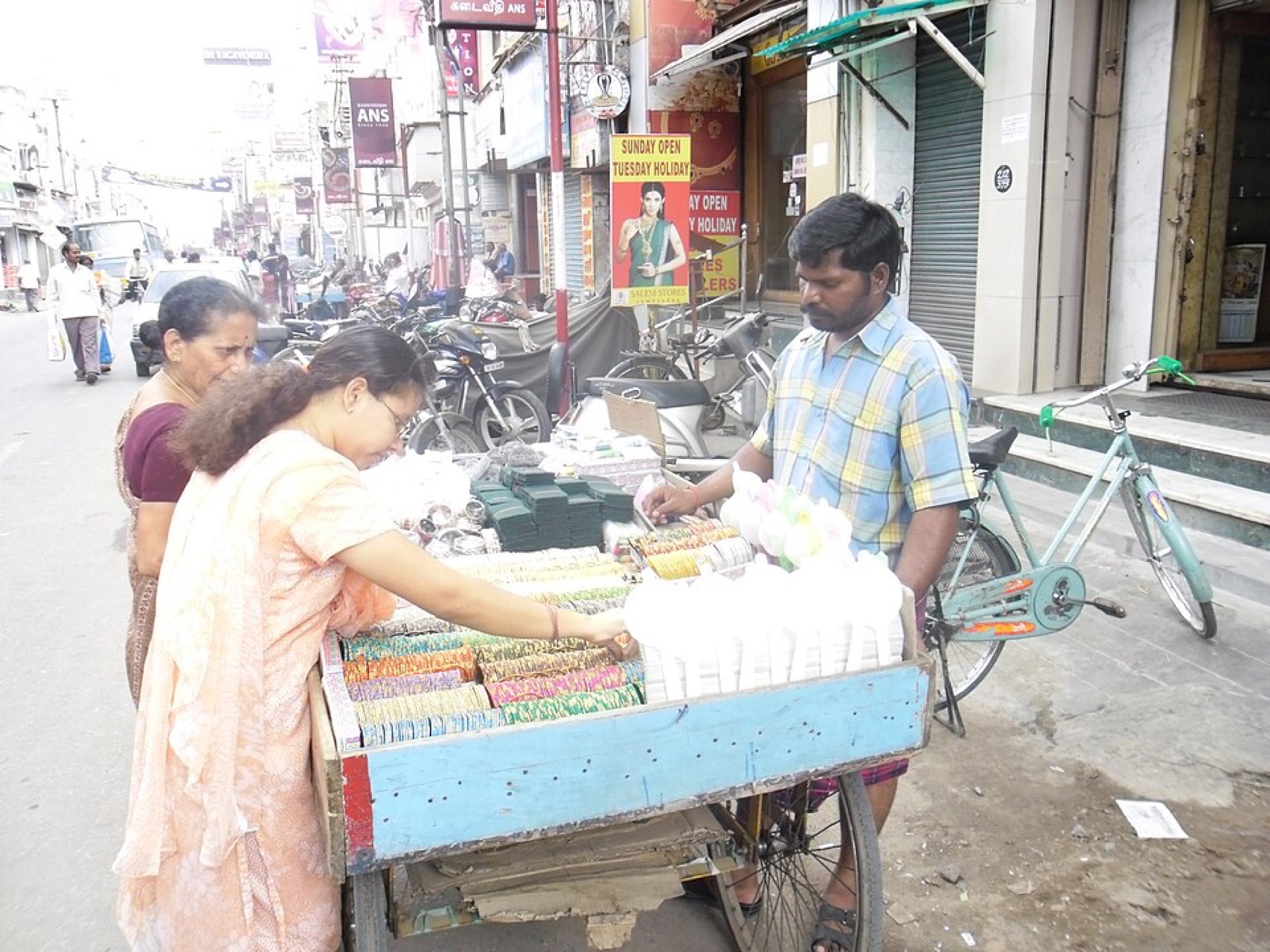
On recent DHgate snapshots (2026-09-23), stainless-steel bangles run from about USD 5.55-6.13 per piece for simpler styles to around USD 13.6-16.35 for a gold‑plated design, while higher-end or designer-style bangles sit in the USD ~20-35+ range. There are also bracelet components around USD 0.42-0.43 each for DIY. Those can look dramatically cheaper than domestic wholesale, but you only see the real saving once you add freight and import charges.
What Really Makes Up Your Landed Cost for Wholesale Bangles and Bracelets
Think of landed cost as everything it takes to get one sellable bracelet into your U.S. inventory. For cross-border orders (DHgate, Alibaba, direct factories), you’ll usually need to account for:
- Product unit price
- International shipping
- Customs, tariffs and import fees
- Platform and payment costs
A simple way to compare options is:
Per‑unit landed cost = (Total product spend + shipping + import charges + fees) ÷ number of pieces
Here’s how that math can look in practice using DHgate examples observed on 2026-09-23:
| Scenario | Product example (DHgate listing) | Price range (USD) | Order size | Illustrative per‑unit product spend* |
|---|---|---|---|---|
| Low-cost component | Side Double Hanging Buckle bracelet connector (listing) | 0.42-0.43 | 500 pcs | ≈ $0.43 |
| Budget stainless bangle | Stainless steel bangle bracelet, simple gold style (listing) | 5.55-6.13 | 100 pcs | ≈ $5.80-6.10 |
| Midrange stainless bangle | Gold-plated stainless-steel bangle bracelet (listing) | 13.6-16.35 | 50 pcs | ≈ $13.60-16.35 |
| Jade bangle | Natural jade bangle bracelet (listing) | 21.33-22.34 | 30 pcs | ≈ $21.30-22.30 |
\*Product spend only, before shipping, customs or fees. Prices and availability can change; these are snapshots, not guarantees.
Once you have that base product spend, layer in rough ranges for freight and import costs. For example, a small DHL/UPS carton of jewelry might be a double‑digit or low triple‑digit dollar cost. If you ship 20 high-end bangles, that freight can add a noticeable amount to each piece; spread across 200 fashion bangles, the shipping impact per bracelet is much smaller.
If you’re new to import math, it’s worth reading a focused guide such as Understand customs, tariffs and import fees to build your own realistic assumptions. You do not want to guess a flat “15%” and find out your category sits higher.
How Order Size and Product Tier Reshape Your Bracelet Price Per Unit
Two buyers can pull the same DHgate listing and end up with very different per‑bracelet costs depending on quantity and tier.
1. Low-end and component buys favor larger volumes. On the connector listing at about USD 0.42-0.43 each, a U.S. buyer ordering 500 pieces is spending under USD 220 on product. Even if they pay, say, USD 80-100 on shipping and import charges combined, their landed cost could still sit well under USD 1 per unit once everything is spread across 500 units. That’s where cross‑border starts beating local craft‑store or small-wholesaler pricing in a big way.
2. Midrange stainless bangles reward moderate MOQs. For the stainless bangle at roughly USD 5.55-6.13, a 100‑piece order means USD ~560-610 in product before freight. If you layer shipping and fees in the low hundreds and spread across 100 pieces, you’re still plausibly in the USD 7-9 landed range per bracelet. That can be compelling against local wholesale if you’re selling in the USD 20-30 retail bracket.
3. High-end and designer styles behave more like local wholesale.
4. Customization and sets inflate MOQ economics. Bundled bracelet sets or niche designer bangles (some listings show wide ranges like USD 5.88-30.77 depending on options) can require higher MOQs or more communication. Your per‑unit math needs to include any design fees, logo work, or upgraded plating, not just the lowest price in the range.
The takeaway: cheap components and fashion‑tier stainless bangles make the strongest case for bulk cross‑border sourcing. As you climb into jade and designer pieces, DHgate’s unit prices are still competitive, but you should compare against local and other platforms more closely because the room for savings narrows.
DHgate vs Other Channels: When Cross-Border Sourcing Actually Saves You Money
DHgate is one of several routes you have: local U.S. wholesalers, Western marketplaces like Amazon or Etsy (often retail, sometimes wholesale packs), and other China‑based B2B sites. DHgate’s own editorial guidance encourages buyers to compare its prices with local suppliers and weigh quality before deciding value, which is exactly the right mindset for bangles and bracelets.
A few scenario-style comparisons:
Fashion‑tier stainless bangles (midrange DHgate listings)
- DHgate examples: stainless bangles around USD 5.55-6.13 and 9.88-11.34; more elaborate gold‑plated styles around USD 13.6-16.35.
Higher-end jade or designer-style bangles
- DHgate examples: jade bangles at ~USD 21.33-22.34 and designer styles in the USD mid‑20s to low‑30s.
Ultra‑low‑cost bracelet components and bulk accessories
DHgate’s jewelry assortment is large (its own blog references over 2.5 million jewelry pieces, including bracelets), so you can usually find multiple suppliers for the same style and play them off against local offers. To weigh DHgate against other marketplaces structurally, you may find it helpful to read a wider comparison like DHgate vs AliExpress, Alibaba and Temu and then apply those tradeoffs to your specific bracelet SKUs.
Query-time DHgate listing example
Observed on 2026-09-23, Gold Bangle Bracelet Women Jewelry Full Diamond Fan-shaped Plated Accessory for Daily Outfit & Gifting appeared in Bangle. This is a time-bound, illustrative listing example; availability and listing details may change. Compare the stated specifications and order a sample before considering a larger purchase.
Quick Cost Checklist for Your Next Bracelet Order
Here’s a compact checklist you can run for each sourcing option — DHgate or otherwise — before you commit:
- Lock a specific unit price and quantity. Use a concrete listing (e.g., that USD 5.55-6.13 stainless bangle) and a real MOQ, then multiply out.
- Estimate shipping as a total, then per unit. Ask the seller or freight forwarder for a quote and divide by your number of pieces.
- Factor customs and import fees. Use realistic percentage or flat‑fee assumptions for jewelry, based on up‑to‑date tariff information.
- Add platform and payment costs. Include marketplace commissions or payment processing fees where relevant.
- Compare per‑unit landed cost across channels. Run this math for DHgate, at least one other China‑based marketplace, and a U.S. wholesaler.
For many U.S. small ecommerce brands, DHgate shines on low‑end fashion bangles and components once you cross the 50-100 unit mark. For small, premium orders, local wholesale or even retail multipacks can be more economical once you account for freight and import charges. Doing the per‑unit landed‑cost math is the difference between “these prices look cheap” and “this sourcing decision will actually improve my margins.”
For additional DHgate platform context, use Find wholesale suppliers on DHgate.