
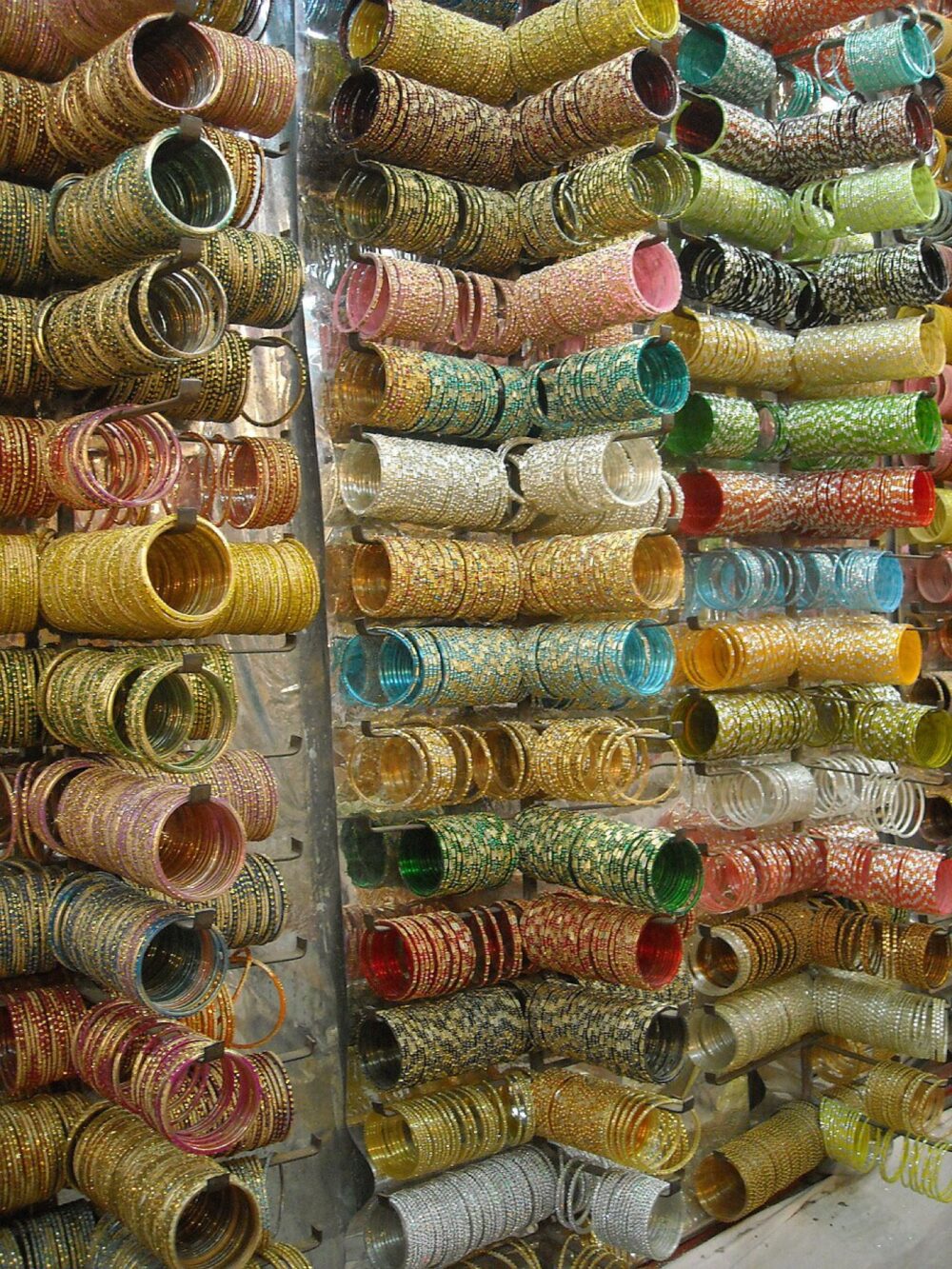
If you’re trying to buy bulk bangles and bracelets at the lowest possible cost, the cheapest unit price in a search result is almost never the real winner. Your total cost is shaped by product tier (cheap fashion vs branded), shipping and import fees, minimum order quantities (MOQs), and how much customization you need. For a US small business, ultra-budget fashion bangles usually come cheapest from cross-border platforms and factories; mid-priced, branded or curated pieces typically cost less from US wholesalers and marketplaces that ship domestically. The best deal for you is the channel that matches your product tier and order size while keeping shipping, duties, and risk under control.
What Really Makes Bulk Bangles and Bracelets Cost What They Do
List price is just one slice of your landed cost. For bangles and bracelets, you’re usually paying for:
- Product tier and materials. Thin alloy bangles and simple beaded bracelets sit at the low end; stainless steel, gold-plated, or heavily embellished pieces land higher. US-focused wholesale sites such as the cuff and bangle section of Wholesale Jewelry Website position themselves for retailers and boutiques, with styles that typically command higher retail prices than generic bulk lots.
- Shipping and handling. Domestic shipping for a carton of bangles is often predictable and relatively fast. Cross-border shipping from Asia can be cheaper per piece on large orders but adds transit time and more complex cost calculations.
- Duties, taxes, and import fees. If you source overseas, you’ll need to factor potential customs duties and broker fees into your cost per piece. These won’t show in product listings but can easily erase a small unit-price advantage if you’re not careful.
- Marketplace and payment fees. Marketplaces take their cut, and payment processors add theirs. These fees are baked into your landed cost even if you don’t see them itemized.
Here’s how those pieces usually show up in the real world:
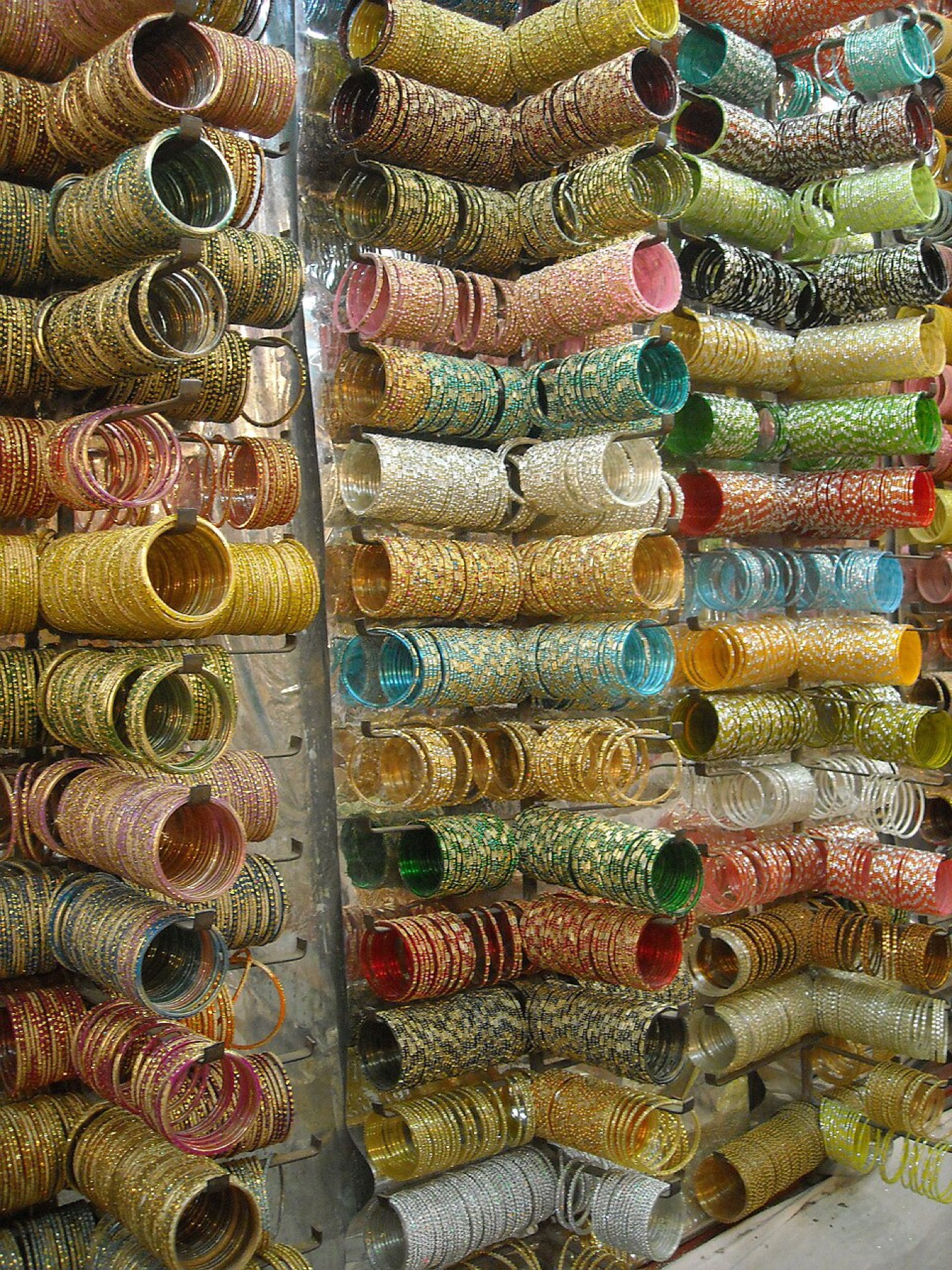
- On large marketplaces like Amazon, bulk bangle listings tend to highlight low prices and multi-pack sets. Amazon is known for discounted jewelry offers and lets you sort by price and reviews, making it easy to find budget-friendly bracelet packs.
- US wholesale jewelry suppliers and bangle-focused sites often emphasize style variety and retailer-friendly assortments over rock-bottom pricing. They’re designed for boutiques that need consistent quality and a repeatable line, not just the absolute cheapest bracelet.
- Cross-border marketplaces and manufacturers can offer aggressive unit prices for basic fashion bangles, but you’ll have to layer in freight and import math yourself.
The takeaway: don’t compare $/piece without also estimating shipping, import, and fee impacts for your specific order size.
How MOQ, Customization, and Timing Change Your Price Per Piece
Per-piece prices in the wholesale bangle and bracelet market swing widely because suppliers are balancing risk, labor, and volume. You can use those levers to your advantage.
Minimum order quantity (MOQ) and volume tiers
Dedicated bangle sites such as WholesaleBangles.com explicitly advertise volume-based discounts: the more you spend per order, the higher your percentage savings. This is typical—you might see savings unlocked at spend tiers like $100–$199, $200–$499, and so on.
For a small buyer, that means:
- Ordering just above a discount threshold can drop your unit cost meaningfully.
- Over-ordering to hit the next tier is risky if you don’t yet know sell-through or returns.
This dynamic shows up on smaller-batch platforms too. On Etsy’s bulk bangle section, independent sellers often offer small quantity packs with a per-piece discount once you move from, say, a dozen bangles to a few dozen. You’re paying a bit more per item than factory-direct, but you avoid huge MOQs.
Customization and design complexity
Customization almost always raises the base price but can justify a higher retail sticker:
- Etsy sellers frequently offer custom sizing, engraved charms, or made-to-order bangles. That’s labor-intensive, so wholesale pricing is higher—but your brand positioning and margins can be stronger.
- Factory-style sites and wholesalers may charge setup fees or require higher MOQs for custom plating colors, laser engraving, or logo tags.
Use customization strategically: keep your low-cost line simple, and reserve custom work for hero pieces or bundles you can price up.
Seasonal demand and timing
Timing matters for bangles and bracelets, especially for:
- Wedding seasons, prom, festivals, and holidays when demand spikes. Prices, MOQs, or lead times can tighten during these periods.
- Off-season buying where suppliers may be more flexible on volume breaks or discounts, especially if you can help clear older designs.
If you’re a small boutique, placing your bulk orders slightly ahead of peak season can help you avoid rush premiums and stockouts, while still landing on-trend designs.
Choosing the Lowest-Cost Channel and Practical Ways to Cut Spend
For US buyers, the cheapest real path depends heavily on your business model. Here’s a compact comparison of key channels:
| Channel / use case | Typical cost profile (per piece) | Best for | Effort level |
|---|---|---|---|
| Amazon / eBay bulk lots | Competitive, often low for simple sets | Test inventory, gift sets, fast restocks | Low |
| Etsy bulk & small-batch | Higher per piece, plus custom work premiums | Branded, niche, or handmade-style assortments | Medium |
| US wholesale jewelry sites | Mid-range pricing; strong on value per style | Boutiques, salons, multi-location retail | Medium |
| Niche bangle sites (e.g. WholesaleBangles.com) | Volume tiers reward bigger orders | Scaling bracelet-specific sellers | Medium |
| China-based marketplaces & factories | Often low per piece for fashion bangles | Online resellers, high-volume low- to mid-priced lines | High (verification, logistics) |
Where a cross-border option like DHgate can fit
Those numbers are just snapshots, and DHgate prices can change or vary greatly by seller, design, and quantity. If you explore that route, treat each listing as its own deal: compare price ranges across multiple sellers, message them about volume discounts and packaging, and plan for separate customs and freight costs. Internal guides such as find wholesale suppliers on DHgate and understand customs, tariffs and import fees can help you build that landed cost picture.
For curated, higher-priced lines, you may get better overall value from US-focused marketplaces or platforms such as Faire’s bangle section, which focuses on independent brands and store-ready assortments rather than ultra-cheap bulk.
Two quick scenarios
- Small US boutique testing bangles: Start with US wholesalers or Amazon/Etsy bulk packs. You’ll pay a bit more per piece than cross-border factory prices, but you keep shipping simple, avoid big MOQs, and can switch styles quickly as you see what sells.
- Online-only reseller focused on low- to mid-priced fashion jewelry: As volume grows and styles stabilize, explore China-based platforms for your cheapest fashion tiers, and use US wholesalers or curated marketplaces for signature or branded pieces.
Practical ways to cut spend without wrecking margins
Use these cost-first tactics:
- Match channel to product tier. Buy your most price-sensitive bangles (simple metal, basic beads) from your lowest-cost channel, and reserve more expensive channels for designs where branding and quality matter more.
- Exploit volume breaks intentionally. On tiered sites, build orders that barely cross discount thresholds, not ones that wildly overshoot your forecast.
- Bundle designs smartly. Choose a small core set of bangles that share plating or base materials so suppliers can produce efficiently; that often translates to better pricing.
- Plan around shipping. Group orders to avoid repeated shipping overhead, but don’t delay so long that you end up paying rush freight or missing selling windows.
- Audit landed cost regularly. For each source, track unit price + shipping + fees + any import charges. Shift volume to whichever channel currently delivers the best landed cost for each product tier.
If you later want to compare DHgate directly with other marketplaces on broader criteria (selection, process complexity, risks), you can read Compare DHgate with AliExpress, Alibaba and Temu. For strictly lowest cost on bangles and bracelets, though, start with the landed-cost math and channel fit described above.